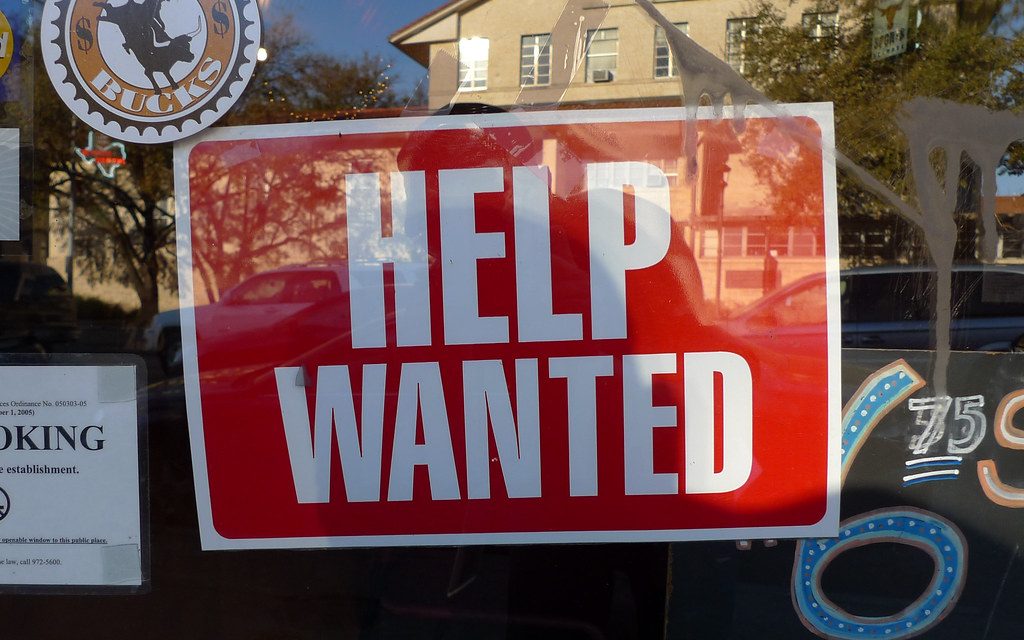
Main Street owners are more cautious, but nearly a third still have jobs they can't fill, which could be an opening for job seekers who know where to look.
Small-business owners grew a little less upbeat in September, and their biggest headache is still finding good workers, according to a survey released Tuesday, Oct. 13, by the National Federation of Independent Business (NFIB), a trade group that represents small companies.
The NFIB's Small Business Optimism Index fell 0.8 points to 97.9, just below its 52-year average of 98. That's the lowest reading since June, according to PYMNTS. At the same time, a measure of how uncertain owners feel about the future rose to 90, well above its long-run average of 68.
"Small business owners are proceeding with caution," NFIB Chief Economist Bill Dunkelberg said, as they weigh rising costs, interest rates and how hard it is to find quality employees.
Small businesses employ a large share of American workers, so their mood can be an early hint about hiring, wages and prices. Here's what the latest survey found.
Finding workers is the top problem, again
For the third month in a row, owners named "labor quality or availability" as their single most important problem. Twenty-six percent picked it, up 3 points from August, according to the NFIB.
The hiring numbers back that up. Thirty-two percent of owners said they had job openings they couldn't fill in September. That's down 3 points from August, but still 8 points above the survey's historical average. Of the 51% of owners who were hiring or trying to hire, 87% said they had few or no qualified applicants for the positions they were trying to fill.
Owners haven't given up on growing, either. A net 17% plan to create new jobs in the next three months, unchanged from August.
Inflation and borrowing costs are biting
Inflation came in as owners' second-biggest problem, cited by 20%, up 4 points and far above the survey's historical average of 7%.
Borrowing is getting more expensive, too. A net 8% of owners said they paid a higher interest rate on their most recent loan, up 4 points and the highest share since June 2025. The average rate on short-term loans owners reported was 8.2%.
Those pressures are showing up in how owners feel about their businesses. Only 48% rated their business health as "good," down 9 points, while 35% called it "fair." Just 7% said now is a good time to expand, down 5 points, and a smaller share expect business conditions to improve.
What this means for your wallet
If you're looking for work, switching jobs or trying to earn more, the survey has a mixed but useful message.
On the plus side, many small businesses are still struggling to fill positions, especially ones that need specific skills. When nearly nine in 10 hiring owners say they're getting few or no qualified applicants, workers who do have the right skills, licenses or experience may have more leverage than the overall job market suggests. That could mean more room to negotiate pay, schedules or training, especially in skilled trades and hands-on roles.
On the downside, owners are getting more cautious. Fewer think it's a good time to expand, and many are juggling higher prices and loan costs. That can mean slower hiring, smaller raises or more pressure on existing staff. In a cautious economy, it's smart to keep your own finances flexible.
Here are a few practical moves to consider. If you're job hunting, don't overlook smaller local employers. They may not post on the biggest job boards, so check their websites, local job listings and community groups, or simply ask. Highlight the specific skills and certifications you have, since that's exactly what owners say is missing. If you're interested in a trade, short training programs at community colleges or apprenticeships can lead to in-demand work without a four-year degree.
If you already have a job, keep a running list of your accomplishments and any new skills you pick up, so you're ready if a raise conversation or a better offer comes along. And because inflation is still a top worry for business owners, it may be worth building a small cushion in your budget for higher prices on everyday goods and services.
Why this survey matters
The NFIB survey is one of the earliest monthly readings on the health of small businesses, which run everything from restaurants and repair shops to construction firms and retail stores. It doesn't measure the whole economy, but when owners say they plan to hire, raise prices or hold back on expanding, those plans often show up later in official data on jobs and inflation.
The September report suggests Main Street is still growing, but carefully. Optimism remains close to its long-term average, hiring plans are steady, and the biggest complaint is a shortage of skilled workers rather than a lack of customers. For job seekers and workers, that's a reminder that skills and flexibility still pay.
This article is for education only and is not financial advice. Everyone's situation is different.
Content on The Evergreen Edit is for educational and informational purposes only and is not individualized financial, investment, tax or legal advice. Learn more.
This article is for educational purposes only and isn't personalized financial, tax or legal advice. Consider talking with a qualified professional about your situation.

Kiara Miller — Founder & Editor
Kiara Miller is the founder and editor of The Evergreen Edit. He has been doing independent finance research for two decades and reviews every article before it's published.
More about Kiara →Get smarter about your money.
Join readers who get The Sunday Edit every week.