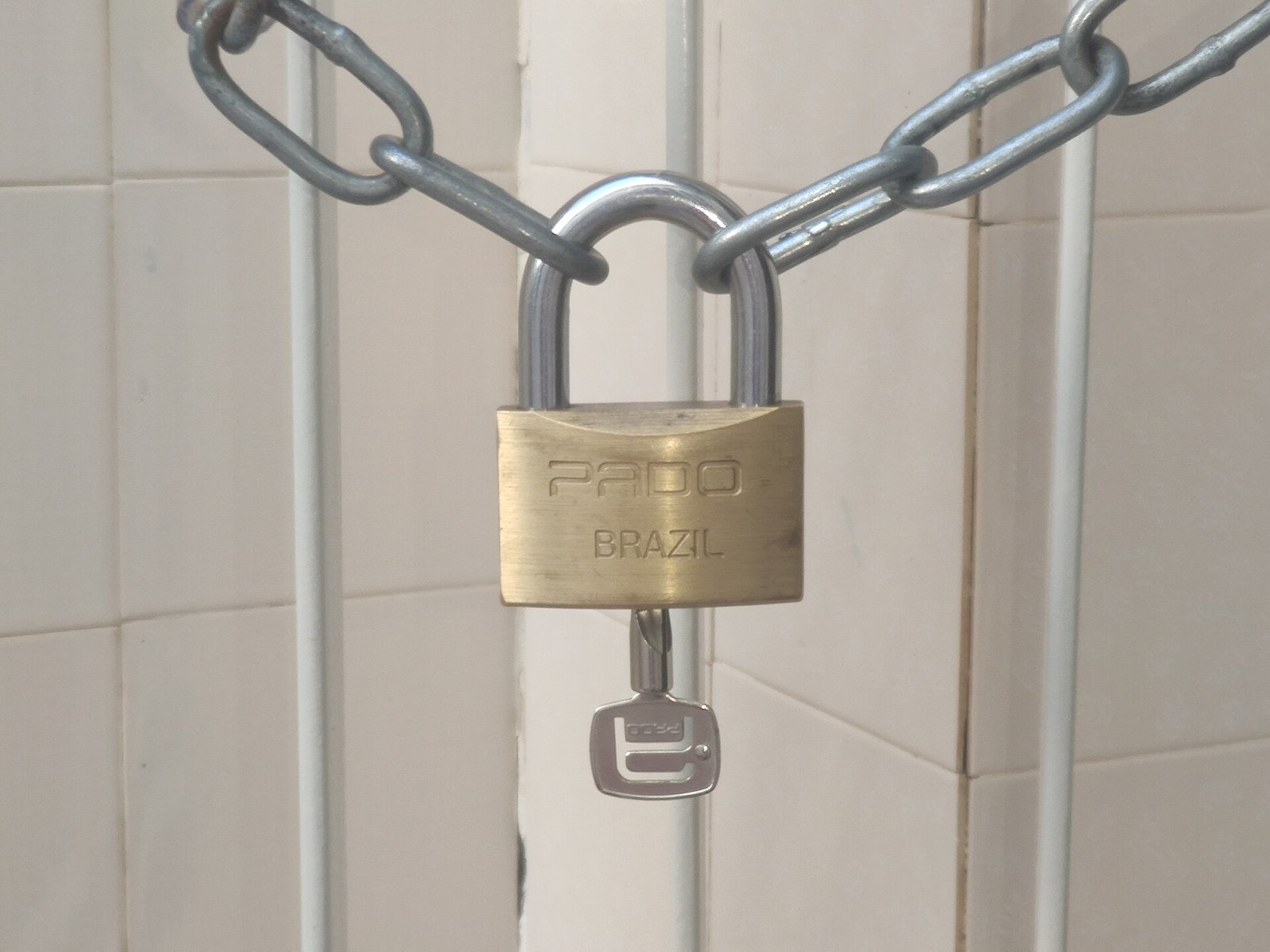
A credit freeze costs nothing, does not hurt your credit score and can stop identity thieves from opening new accounts in your name.
Identity theft happens when someone uses your personal information — like your name, Social Security number or account numbers — without permission. One common goal is to open new credit cards or loans in your name, leave the bills unpaid and let the damage land on your credit.
You cannot control every data breach. But you can make your information much less useful to a thief. Two of the best tools are the credit freeze and the fraud alert. This guide explains both, how to use them and what to do if your identity has already been stolen.
What a credit freeze does
A credit freeze (also called a security freeze) limits access to your credit report. Your credit report is the record of your borrowing history that lenders check when you apply for credit. Most lenders will not open a new account without checking it.
According to the FTC, a freeze restricts access to your credit file, which makes it harder for identity thieves to open new accounts in your name. If a thief applies for a credit card using your information, the lender usually cannot pull your report, so the application is likely to be denied.
Here is what the FTC says a freeze does and does not do:
- It is free to place and to lift.
- It lasts until you lift it. It does not expire on its own.
- It does not affect your credit score.
- It is aimed at new accounts. While a freeze is in place, nobody can open a new credit account in your name.
Freezes are free by federal law
Credit freezes used to come with fees in many states. That changed under the Economic Growth, Regulatory Relief, and Consumer Protection Act, a federal law. The FTC announced that, under this law, consumers can freeze and unfreeze their credit for free.
The same law also lets parents freeze the credit of their children under 16 for free. A child's clean, unused credit history can be an appealing target for thieves, and a freeze can help protect it.
How to place and lift a freeze
To freeze your credit, you need to contact each of the three nationwide credit bureaus: Equifax, Experian and TransUnion. A freeze at one bureau does not carry over to the others. Each bureau lets you place a freeze online, by phone or by mail. The FTC's guide to credit freezes and fraud alerts links to all three.
Under the federal law, the FTC says bureaus must:
- Put a freeze in place within one business day if you request it online or by phone, or within three business days if you request it by mail.
- Lift a freeze within one hour if you request it online or by phone, or within three business days by mail.
When you apply for new credit — a car loan, a new credit card, an apartment that checks credit — you can temporarily lift the freeze and then put it back afterward. Many people ask the lender which bureau it uses, so they only need to lift the freeze at that one.
Tip: Each bureau will give you a way to manage your freeze, such as an online account or a PIN. Store that information somewhere safe so you can lift and restore the freeze when needed.
Fraud alerts: a lighter option
A fraud alert is a note on your credit file that tells businesses to take extra steps to verify your identity before opening a new account. The FTC explains that a fraud alert tells businesses to check with you before opening a new credit account in your name.
Key facts from the FTC:
- An initial fraud alert is free and lasts one year, and you can renew it. You only need to contact one of the three bureaus. That bureau must tell the other two.
- An extended fraud alert lasts seven years. It is available to identity theft victims who have filed a report, and it also removes you from prescreened credit offer lists for five years.
Freeze or fraud alert — which one?
The main difference is strength:
- A freeze blocks most access to your credit report, so new accounts are very hard to open.
- A fraud alert still allows access, but asks businesses to verify it is really you.
Many people choose a freeze because it offers stronger protection and is still free. A fraud alert may be useful if you need quick protection and plan to apply for credit soon. Some people use both.
Other ways to protect yourself
A freeze is a strong step, but it does not cover everything. For example, it does not stop someone from misusing an existing credit card. Other good habits include:
- Check your credit reports. You can get free credit reports from all three bureaus at AnnualCreditReport.com, which the FTC says is the only website authorized to fill orders for the free credit reports you are entitled to by law. Look for accounts or inquiries you do not recognize.
- Review bank and card statements. Report charges you did not make right away.
- Use strong, unique passwords and turn on two-step login where it is offered.
- Be careful with your Social Security number. Ask why it is needed before you share it.
- Shred papers with personal or account details before you throw them out.
What to do if your identity is stolen
If you think someone has used your information, the FTC's site IdentityTheft.gov can help. It lets you report identity theft and get a personalized recovery plan with steps to limit the damage and fix your credit.
A typical recovery checklist might include:
- Call the companies where the fraud happened and ask them to close or freeze the accounts.
- Place a fraud alert or freeze with the credit bureaus.
- Report the theft at IdentityTheft.gov.
- Check your credit reports and dispute any accounts or charges you did not make.
- Change passwords on accounts that may be affected.
Acting quickly can make recovery easier.
This article is for education only and is not financial advice. Everyone's situation is different.
Content on The Evergreen Edit is for educational and informational purposes only and is not individualized financial, investment, tax or legal advice. Learn more.
This article is for educational purposes only and isn't personalized financial, tax or legal advice. Consider talking with a qualified professional about your situation.

Kiara Miller — Founder & Editor
Kiara Miller is the founder and editor of The Evergreen Edit. He has been doing independent finance research for two decades and reviews every article before it's published.
More about Kiara →Get smarter about your money.
Join readers who get The Sunday Edit every week.