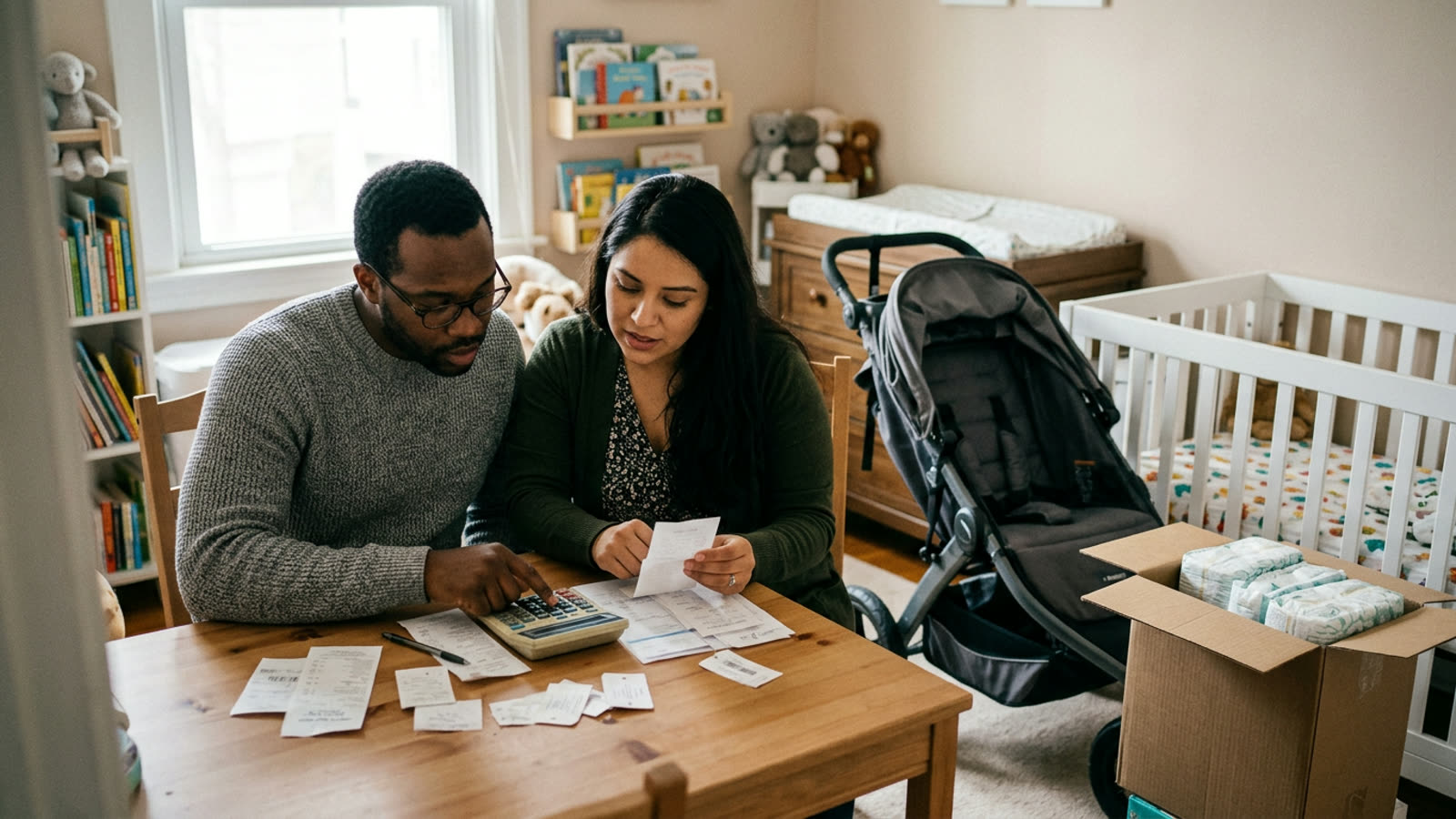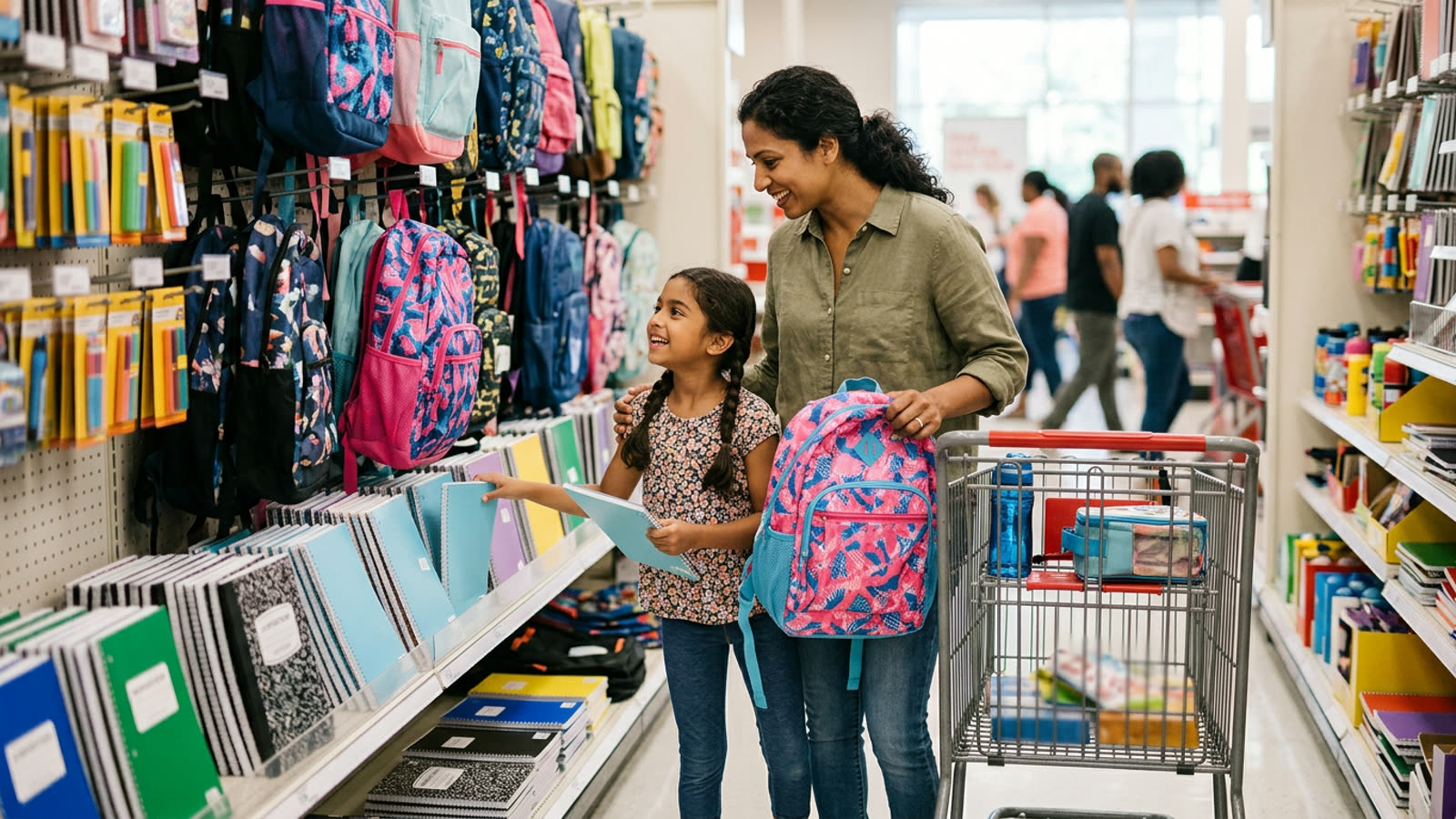
A new school year brings excitement, fresh starts and a long list of expenses. Clothes, shoes, school supplies, backpacks, technology and activity fees can add up quickly, especially for families with several children. With a plan, you can get your kids ready for school without blowing your budget.
Start with what you already have
Before buying anything, take inventory of what you already own. Check closets, drawers, desks and last year’s backpacks. Many supplies, such as scissors, rulers, calculators, pencil cases, binders and even backpacks, can be reused. You might find a surprising number of pens, pencils, markers and notebooks left over from last year.
Go through your children’s clothes to see what still fits and what they need. Hand-me-downs from older siblings, cousins or friends can fill many gaps.
Make a list and set a budget
Use your school’s supply list, which many schools post online or send home before the year starts, as the foundation of your shopping list. Add clothing, shoes and any other needs, then cross off items you already have.
Decide on a budget for each child, covering clothes, shoes, supplies and technology. A specific budget helps you prioritize and prevents impulse purchases from adding up. Shopping with a list keeps you focused on what you actually need.
Smart ways to save
Shop sales and compare prices. Many retailers offer back-to-school deals in the weeks before school starts. Compare prices online and in stores, and use price-tracking tools or apps to find the best deals. Loss leaders, items sold at very low prices to attract shoppers, often include basic supplies like notebooks, crayons and glue sticks.
Check whether your state has a sales tax holiday. Some states offer tax-free shopping periods for school supplies, clothing and sometimes computers, typically in late summer. Rules on eligible items and price limits vary by state, so check your state’s revenue department website for details.
Buy secondhand clothes and gear. Thrift stores, consignment shops and online marketplaces offer gently used clothing, shoes and backpacks at a fraction of retail prices. Clothing swaps with other families are another great option.
Buy basics in bulk and share with other parents. Items like pencils, paper, glue sticks and tissues are often cheaper in bulk. Splitting bulk purchases with other families can save money for everyone.
Consider store brands. Generic supplies are often just as good as name brands for basics like paper, pencils and folders, at a lower price.
Wait on some purchases. You don’t need to buy everything before the first day. Waiting until after school starts lets you see what teachers actually require and what your kids really need. Clothing often goes on sale after the back-to-school rush, and seasonal items can wait until the weather changes.
Technology purchases
Technology can be one of the biggest back-to-school expenses. Before buying a new laptop, tablet or calculator, ask whether the school provides devices. Many schools issue laptops or tablets to students, which can save you a significant purchase.
If you need to buy, consider what your child actually needs for schoolwork. A basic, affordable device is often sufficient. Compare refurbished options from reputable sellers, which often come with warranties and cost significantly less than new. Look for student discounts, which many technology companies offer.
Ask whether your child needs a specific type of calculator or software, so you don’t buy the wrong item.
Don’t forget other costs
Back-to-school expenses can extend beyond supplies and clothes. Consider school fees, lunch money or meal plans, activity and sports fees, field trip costs, school photos and transportation. Including these in your budget helps prevent surprises later.
If your family’s income is limited, check whether your children qualify for free or reduced-price school meals through the National School Lunch Program. Many communities also host back-to-school drives that provide free backpacks and supplies to families in need.
Plan ahead for next year
Set up a back-to-school sinking fund and save a little each month, so the expense doesn’t hit all at once. Dividing your expected back-to-school costs by 12 shows how much to set aside monthly. Having the money ready when August arrives makes the season much less stressful.
Involve your kids
Giving older kids a set budget for some items, such as clothes, teaches valuable money skills and reduces arguments over purchases. They learn to compare prices, weigh tradeoffs and make choices within a budget. If they want a more expensive item, they can decide whether to spend more of their budget on it or contribute their own money.
Younger children can help by checking items off the list or comparing prices at the store. With planning and a few smart strategies, you can start the school year prepared without stretching your budget.
Content on The Evergreen Edit is for educational and informational purposes only and is not individualized financial, investment, tax or legal advice. Learn more.
This article is for educational purposes only and isn't personalized financial, tax or legal advice. Consider talking with a qualified professional about your situation.

Kiara Miller — Founder & Editor
Kiara Miller is the founder and editor of The Evergreen Edit. He has been doing independent finance research for two decades and reviews every article before it's published.
More about Kiara →Get smarter about your money.
Join readers who get The Sunday Edit every week.