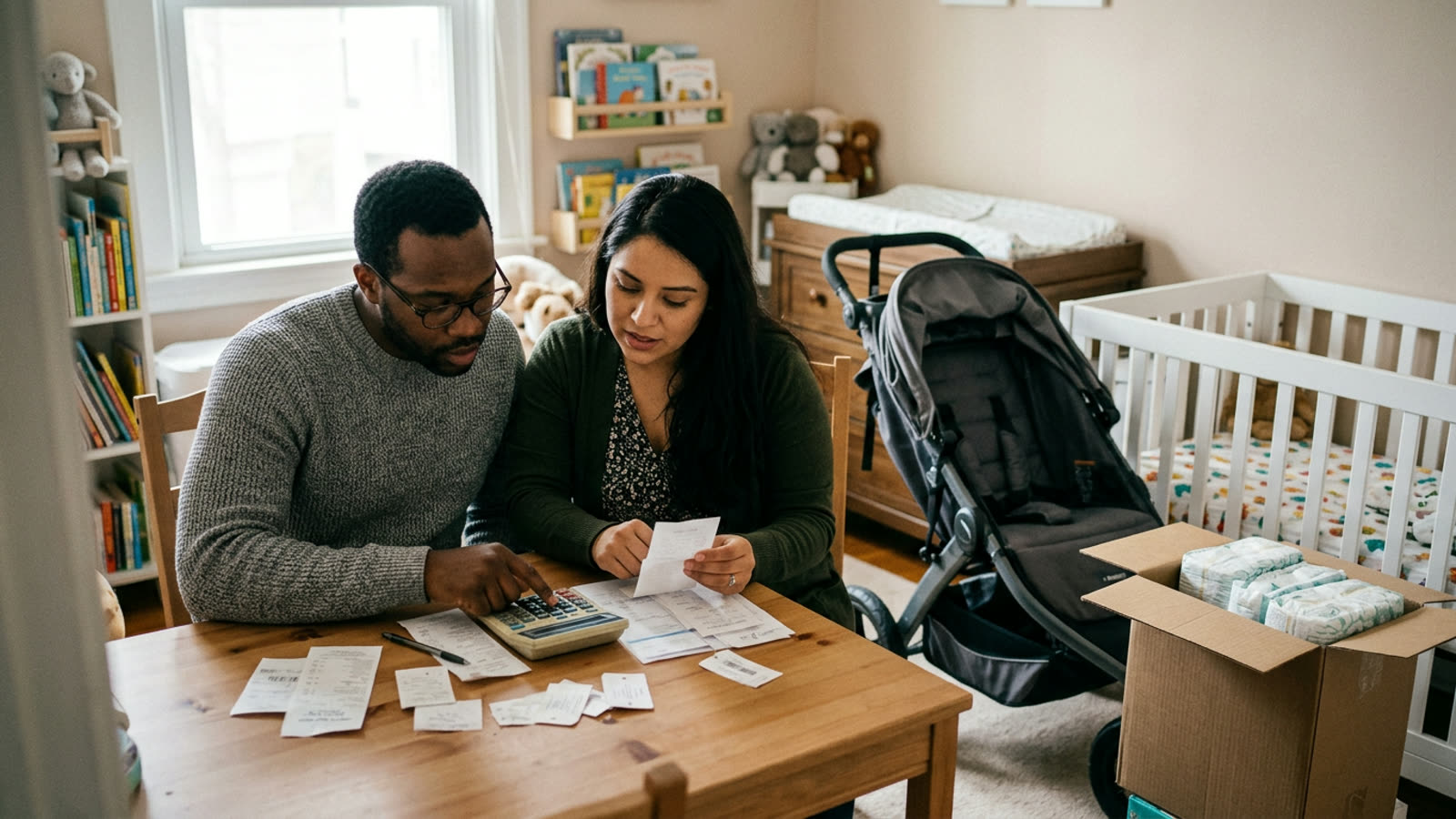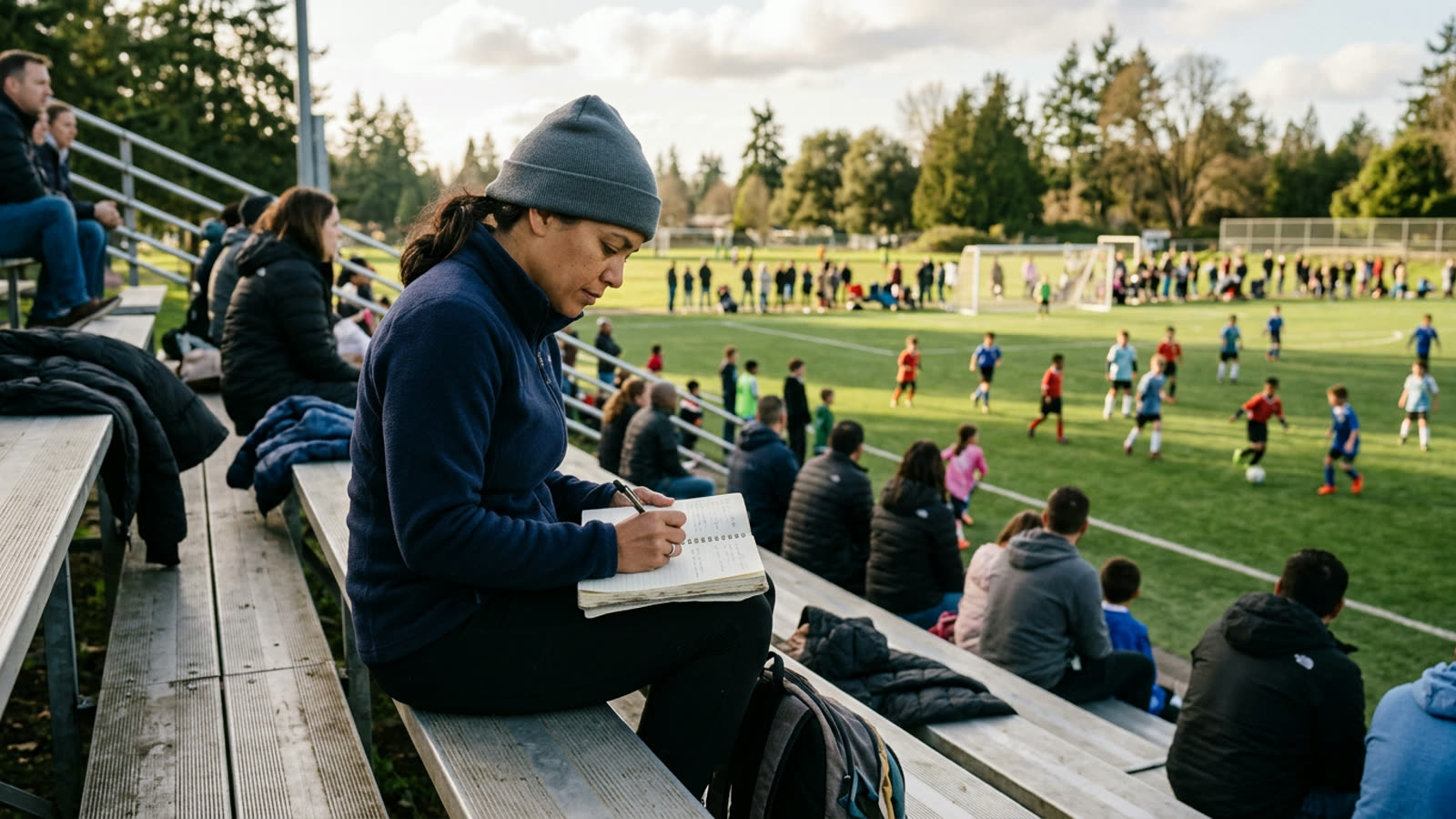
Kids’ sports and activities build skills, confidence, friendships and healthy habits. Whether it’s soccer, dance, music lessons, swimming or scouting, these experiences can enrich children’s lives. But costs can add up quickly, especially with competitive sports, multiple children or activities that require expensive equipment and travel. With thoughtful planning, you can support your kids’ interests without straining your family budget.
Know the full cost before signing up
The registration fee is often just the beginning. Many families are surprised by the total cost of an activity once all the extras are added up.
Registration and program fees are the most obvious costs. But there may also be equipment and uniforms, which can be significant for sports like hockey, football or gymnastics. Travel to games, tournaments, competitions or recitals can add gas, hotel stays and meals. Lessons or private coaching may be encouraged or expected, especially at higher levels. Team fundraising requirements, photos, end-of-season gifts, banquets and team gear can add more.
Before signing up, ask coaches, program directors or other parents what the total cost usually is for a season or year. Understanding the full commitment, including time as well as money, helps you make informed decisions.
Set a budget
Decide on a yearly activities budget for each child, based on what your family can afford. Having a clear budget makes it easier to choose activities thoughtfully and say no when necessary.
Let older kids help choose how to use their budget. If a child wants to try several activities, they can decide which ones matter most within the budget. This teaches valuable lessons about tradeoffs and priorities.
Save monthly in a sinking fund for activities, so seasonal fees and equipment costs don’t surprise you. If you know registration for fall sports costs a certain amount each August, setting aside a portion each month makes the expense manageable when it arrives.
Ways to save on activities
Look for affordable programs. Parks and recreation departments, schools, libraries, YMCAs and community centers often offer sports leagues, classes and camps at much lower cost than private clubs. Many offer high-quality programs for beginners.
Ask about discounts and financial help. Many programs offer sibling discounts, early registration discounts, payment plans or scholarships for families who need financial assistance. Don’t hesitate to ask, since many families qualify and programs want children to participate.
Buy used gear or join equipment swaps. Kids outgrow equipment quickly, so buying used sporting goods, instruments and uniforms can save significantly. Check secondhand sporting goods stores, online marketplaces and community swaps. Some programs and schools run equipment exchanges.
Rent before buying. For activities like music lessons, renting an instrument lets your child try it before you commit to a purchase.
Carpool with other families. Sharing driving duties saves gas money and time, especially for frequent practices and distant games.
Volunteer. Some programs offer reduced fees for parents who volunteer as coaches, team managers or event helpers.
Avoid the pressure trap
It’s easy to feel like kids need to do everything, especially when other families seem to sign their children up for multiple activities. But overscheduling can strain both your budget and your family’s time and energy.
Focus on activities your child genuinely enjoys rather than what you think they should do or what other families are doing. Leave room for free play, rest and family time, which are also important for children’s development and well-being.
Watch for escalation
Many activities start affordably at the recreational level but become much more expensive as children advance. Travel teams, elite clubs and competitive programs can cost far more than recreational leagues, with higher fees, extensive travel, private coaching and year-round commitments.
Before moving to a more competitive level, consider whether the commitment fits your budget, your family’s schedule and your child’s goals. Talk honestly with your child about what they want from the activity. A child who loves playing for fun may be perfectly happy in a recreational league.
Plan for multiple children
If you have several children, costs multiply. Consider setting a per-child budget to keep things fair, and look for activities siblings can do together or at the same location to save time and money.
Teach money lessons along the way
Involving kids in activity budgeting teaches them about the value of money, prioritizing and making choices. Older kids might contribute part of the cost from allowance or a part-time job, especially for expensive extras, which helps them appreciate the investment.
With planning and clear priorities, you can give your kids enriching experiences while keeping your family’s finances on track.
Content on The Evergreen Edit is for educational and informational purposes only and is not individualized financial, investment, tax or legal advice. Learn more.
This article is for educational purposes only and isn't personalized financial, tax or legal advice. Consider talking with a qualified professional about your situation.

Kiara Miller — Founder & Editor
Kiara Miller is the founder and editor of The Evergreen Edit. He has been doing independent finance research for two decades and reviews every article before it's published.
More about Kiara →Get smarter about your money.
Join readers who get The Sunday Edit every week.