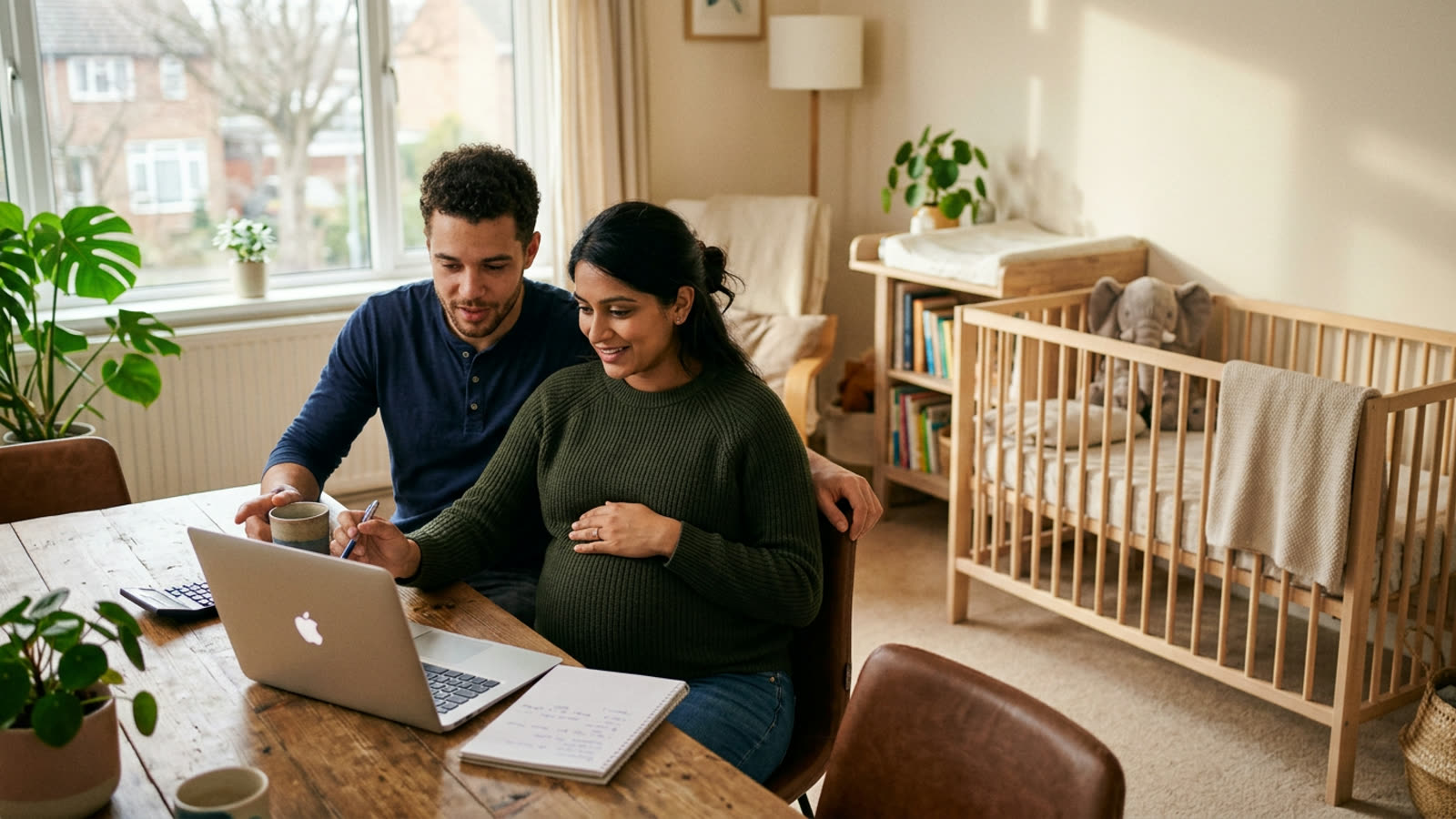
Preparing for a new baby is exciting, but the list of recommended baby gear can feel endless and expensive. Cribs, car seats, strollers, high chairs, carriers, monitors, clothing and countless gadgets can add up fast. The good news is that with a few smart choices, you can save significant money while keeping your baby safe and comfortable.
Start with the essentials
Babies actually need fewer things than marketing suggests. Focus first on the true essentials.
A safe place to sleep is the most important item. A crib, bassinet or play yard that meets current safety standards, with a firm, flat mattress and a fitted sheet, provides a safe sleep environment. The American Academy of Pediatrics recommends that babies sleep on their backs on a firm, flat surface without soft bedding, pillows, bumpers or toys.
A car seat is required to bring your baby home from the hospital and for every car ride. Choose a rear-facing infant seat or a convertible seat that fits your vehicle and is installed correctly.
Diapers and wipes are needed in large quantities, whether you choose disposable or cloth diapers.
Clothing in a few sizes is necessary, since babies grow quickly. Simple, comfortable basics like bodysuits, sleepers and a few outfits are usually enough.
Feeding supplies depend on how you plan to feed your baby, such as bottles, breast pump supplies, burp cloths and, later, a high chair and utensils.
Many extras, like wipe warmers, specialty gadgets, elaborate nursery décor and multiple carriers, are nice to have but not necessary. You can always add items later once you know what you actually need.
Buying used safely
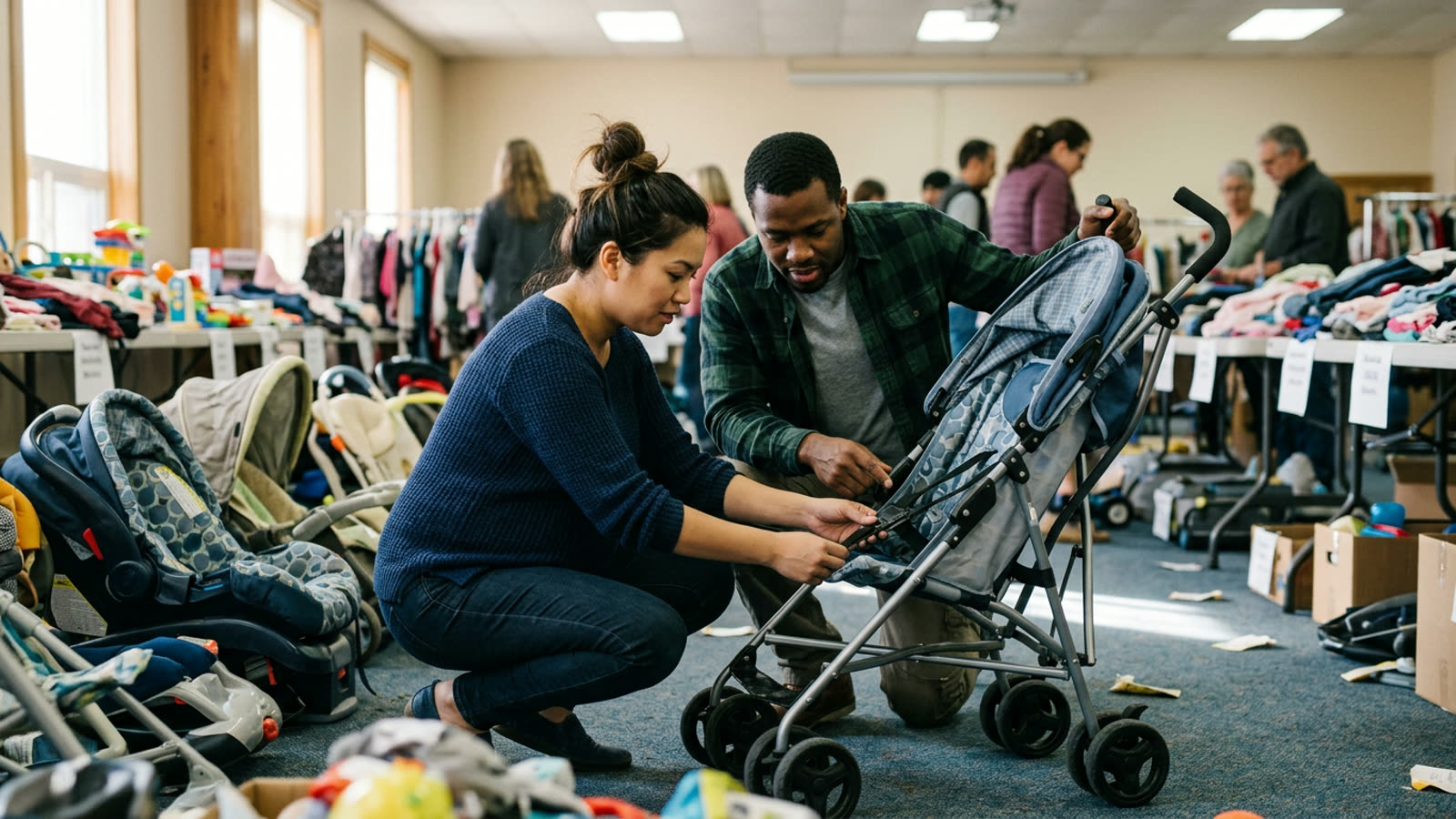
Gently used baby items can save a lot of money, since babies outgrow many things quickly and they’re often in excellent condition. Clothes, toys, books, bouncers, swings, high chairs and many types of gear are great candidates for buying secondhand.
However, some items require extra caution.
Car seats are one of the most important items to be careful with. Avoid used car seats unless you know the seat’s full history, since a seat may be unsafe after a crash, even if damage isn’t visible. Car seats also have expiration dates, typically found on a label on the seat, because materials can degrade over time and safety standards change. Make sure all parts and instructions are included and that the seat hasn’t been recalled.
Cribs must meet current safety standards. Federal safety standards for cribs were strengthened years ago, and drop-side cribs are no longer allowed to be made or sold because of safety risks. Check that a used crib has all its parts, no missing or broken slats and that slats aren’t spaced too widely. Avoid older cribs that may not meet current standards.
Check any used item for recalls. You can search for recalled products on CPSC.gov, the website of the U.S. Consumer Product Safety Commission, or SaferProducts.gov. It’s also a good idea to register new products with the manufacturer so you’re notified of any recalls.
Other ways to save
Create a baby registry. Friends and family often want to help, and a registry lets them give items you actually need. Many registries also offer completion discounts on remaining items after your baby shower.
Accept hand-me-downs from friends and family. Many parents are happy to pass along clothing, gear and toys their children have outgrown.
Join local buy-nothing or swap groups, where people give away or trade items for free. These groups can be a great source of baby clothes, toys and gear.
Buy diapers in bulk or use subscribe-and-save discounts once you know your baby’s size and preferred brand. Avoid stockpiling too many of one size before your baby arrives, since babies grow quickly and some may be bigger or smaller than expected. Store brands are often significantly cheaper than name brands and work well for many families.
Wait to buy some items until you know you need them. Items like high chairs, activity centers and toddler gear can wait until your baby is ready for them. You might discover you don’t need some items at all, or you might receive them as gifts.
Choose versatile gear. Convertible car seats, cribs that convert to toddler beds and strollers that adapt as your child grows can provide value over a longer period.
Check benefits and programs
Some health insurance plans cover breast pumps. Check with your insurer about coverage before buying one. If your income is limited, programs like WIC, the Special Supplemental Nutrition Program for Women, Infants, and Children, can help with formula and nutritious foods. Some hospitals, community organizations and fire departments offer free or low-cost car seats and car seat installation checks.
Sell or pass along what you no longer need
As your baby outgrows items, sell them or pass them along to others. Selling gently used gear can help offset the cost of the next stage of items your child needs.
Focus on what matters
Babies don’t need expensive gear to thrive. What they need most is safety, love, nourishment and care. By focusing on essentials, buying used wisely and prioritizing safety, you can prepare for your baby without straining your budget.
Content on The Evergreen Edit is for educational and informational purposes only and is not individualized financial, investment, tax or legal advice. Learn more.
This article is for educational purposes only and isn't personalized financial, tax or legal advice. Consider talking with a qualified professional about your situation.

Kiara Miller — Founder & Editor
Kiara Miller is the founder and editor of The Evergreen Edit. He has been doing independent finance research for two decades and reviews every article before it's published.
More about Kiara →Get smarter about your money.
Join readers who get The Sunday Edit every week.