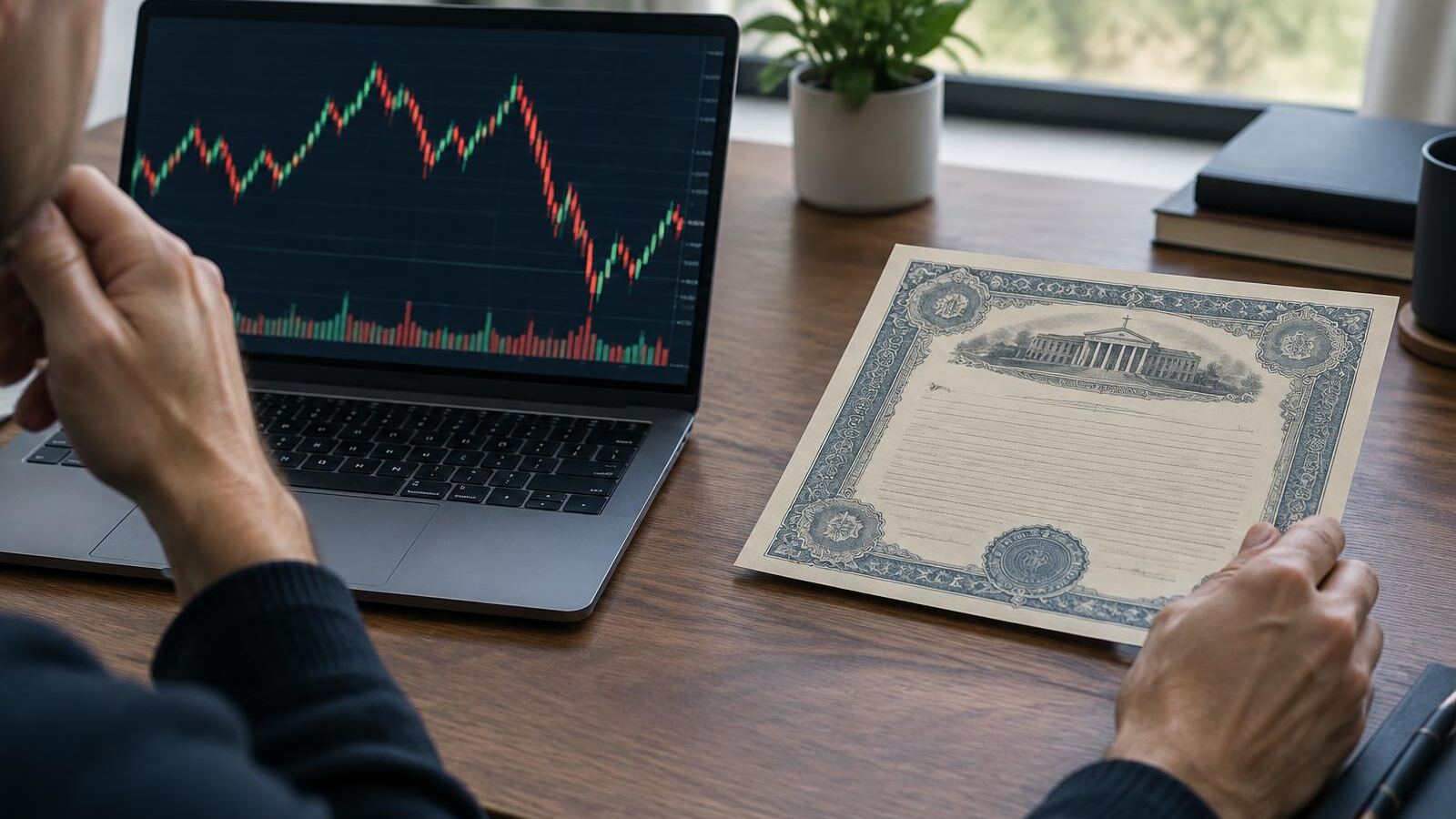
Watching your investments fall can be scary. When headlines warn of market turmoil and your account balance drops week after week, it’s natural to feel anxious and wonder whether you should do something. But market downturns are a normal part of investing, and how you respond can matter a great deal to your long-term results.
Downturns are a normal part of investing
Stock markets have experienced many declines over the decades. Corrections, often defined as drops of 10% or more from a recent peak, happen fairly regularly. Bear markets, commonly defined as declines of 20% or more, are less frequent but still a recurring part of market history.
Historically, U.S. stock markets have eventually recovered from past declines, going on to reach new highs. However, recoveries can take time, sometimes months and sometimes years, and the path is rarely smooth. Past performance doesn’t guarantee future results, and there’s no way to know exactly when a downturn will end.
Understanding that downturns are expected, rather than unusual, can make them easier to weather. If you invest for decades, you’ll likely experience several significant market declines.
The cost of panic selling
When markets fall, the urge to sell and protect what’s left can be powerful. But selling after prices fall turns temporary paper losses into real, permanent ones.
Timing the market successfully requires being right twice: knowing when to sell and when to buy back in. Few investors manage both consistently. Some of the market’s best days have historically come close to its worst days, often during periods of high volatility. Investors who sell during a downturn and wait on the sidelines for things to feel safer can miss the rebound, significantly reducing their long-term returns.
Research on investor behavior has found that many individual investors earn less than the funds they invest in, partly because they buy after prices rise and sell after prices fall.
What to do instead
Revisit your plan and timeline. Remind yourself why you invested and when you’ll need the money. Money you won’t need for years, such as retirement savings for someone decades from retirement, has time to recover from temporary declines.
Keep investing regularly. If you contribute to a retirement plan or invest automatically, continuing during a downturn means buying more shares for the same amount of money. These shares may benefit when markets eventually recover. This is one of the advantages of dollar-cost averaging.
Rebalance if your mix has drifted. A market decline can shift your asset allocation, leaving you with fewer stocks than your target. Rebalancing, by buying stocks with money from bonds or new contributions, brings your portfolio back in line with your plan and effectively buys stocks at lower prices.
Check your emergency fund. Having enough cash set aside means you won’t be forced to sell investments at low prices to cover unexpected expenses. If your emergency fund is low, focus on building it.
Consider tax-loss harvesting in taxable accounts. Selling investments at a loss and replacing them with similar, but not substantially identical, investments can allow you to use losses to offset gains and potentially reduce taxes, while maintaining your market exposure. Be mindful of the wash-sale rule.
Money you need soon
If you need money within the next few years, such as for a down payment, tuition or retirement expenses, it may not belong in stocks. Stocks can decline significantly in the short term, and there may not be enough time to recover before you need the funds.
Downturns are a reminder to keep short-term money in safer places, such as high-yield savings accounts, certificates of deposit or short-term bonds. If you’re nearing retirement, consider whether your asset allocation provides enough stability for withdrawals over the next several years.
Limit the noise
Checking your accounts constantly during a downturn can increase stress and the urge to act. Financial news often emphasizes dramatic movements and dire predictions, which can amplify anxiety.
Consider checking your accounts less often and focusing on your long-term goals rather than daily market movements. Some investors find it helpful to set specific times to review their portfolio, such as quarterly or annually, rather than reacting to every headline.
Review your risk tolerance
A downturn can reveal how you truly feel about risk. If market declines cause you significant distress or tempt you to abandon your plan, your portfolio may be more aggressive than you’re comfortable with. Once markets stabilize, consider whether a more conservative allocation that you can stick with would serve you better. Making changes thoughtfully, rather than in a panic, is key.
Talk to a professional
If you’re unsure how to respond to a downturn, a fee-only financial adviser can review your situation, help you assess whether your plan still fits your goals and provide perspective during stressful times. Having a trusted adviser can help you avoid emotional decisions.
This article is for education only and isn’t investment advice.
Content on The Evergreen Edit is for educational and informational purposes only and is not individualized financial, investment, tax or legal advice. Learn more.
This article is for educational purposes only and isn't personalized financial, tax or legal advice. Consider talking with a qualified professional about your situation.

Kiara Miller — Founder & Editor
Kiara Miller is the founder and editor of The Evergreen Edit. He has been doing independent finance research for two decades and reviews every article before it's published.
More about Kiara →Get smarter about your money.
Join readers who get The Sunday Edit every week.