The software giant wants to run more of its own AI services on chips it designs itself, a trend that could reshape the AI chip business.
Microsoft announced its next custom artificial intelligence chip, Maia 300, on Monday, Oct. 12. The chip is designed to run Microsoft's own AI services, such as its Copilot assistant, more efficiently than the graphics processors, or GPUs, it currently buys from companies like Nvidia. Reuters reported that Microsoft plans to deploy potentially more than one million of the chips next year.
What Microsoft announced
Maia 300 is the successor to Maia 200, which launched in January and already powers Copilot. Microsoft says Maia 300 should deliver about 40% more tokens per megawatt than "leading GPU-based systems." Tokens are the units of text AI models produce, and tokens per megawatt is a way of measuring how much AI work a chip does for the electricity it uses. Microsoft didn't say which systems it compared against, so that claim hasn't been independently tested.
The chip's core components will be made by Taiwan Semiconductor Manufacturing Co. (TSMC) on an advanced process called N2P. Production deployments are expected to start in 2027, and Microsoft plans to scale the Maia family to deployments using multiple gigawatts of power after that.
According to Yahoo Finance's analysis, each rack of Maia 300 chips holds 96 chips and draws 167 kilowatts, so a million chips would mean roughly 10,400 racks using about 1.7 gigawatts of power.
Why Big Tech is building its own chips
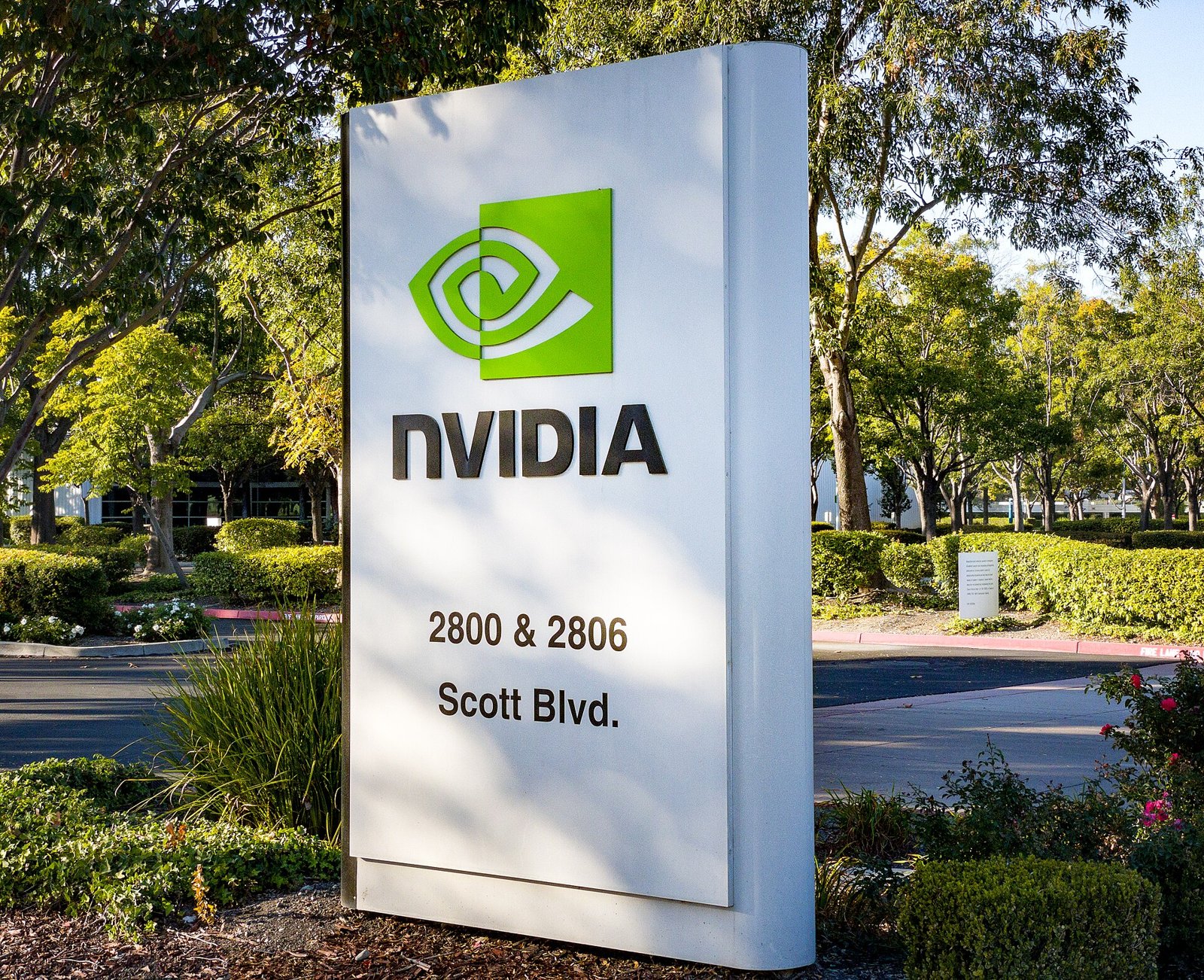
AI is extremely expensive to run, and Nvidia's chips are in high demand and costly. Designing in-house chips lets companies like Microsoft, Google and Amazon tailor hardware to their own software, potentially lowering costs and reducing reliance on a single supplier.
The spending numbers show why that matters. Microsoft's capital expenditures, money spent on long-term assets like data centers and equipment, reached $35.8 billion in the quarter that ended in June, more than double the year before. Over the last four quarters, capital spending totaled about $116 billion, up 80%. At the same time, Microsoft's gross margin, the share of revenue left after direct costs, has slipped for three straight quarters. Cheaper, more efficient chips could help protect profits.
Microsoft isn't walking away from Nvidia. Maia chips are for Microsoft's internal services, not for Azure cloud customers who rent computing power, and Microsoft remains a major Nvidia buyer.
What this means for your wallet
For everyday users, more efficient chips could eventually make AI tools cheaper to offer, which may affect the price and availability of features in Microsoft products. That's a long-term possibility, not a near-term change.
For investors, the bigger story is competition in AI hardware. Nvidia has dominated, but every major cloud company is now building its own chips. That doesn't mean Nvidia's business disappears, but it's a reason to be cautious about assuming any one company will win forever. If you invest in AI, owning a broad mix of companies, or a diversified index fund, can reduce the risk of betting on the wrong one.
Microsoft is one of the largest holdings in most index funds, so many investors already have exposure through retirement accounts. Before buying more of any single tech stock, check how much you already own through your funds.
This article is for education only and is not financial advice. Everyone's situation is different.
Content on The Evergreen Edit is for educational and informational purposes only and is not individualized financial, investment, tax or legal advice. Learn more.
This article is for educational purposes only and isn't personalized financial, tax or legal advice. Consider talking with a qualified professional about your situation.

Kiara Miller — Founder & Editor
Kiara Miller is the founder and editor of The Evergreen Edit. He has been doing independent finance research for two decades and reviews every article before it's published.
More about Kiara →Get smarter about your money.
Join readers who get The Sunday Edit every week.