Groceries are one of the few big family expenses you can adjust every single week, so small changes can add up quickly.
Kids grow, appetites grow, and somehow the grocery bill grows right along with them. Unlike rent or a car payment, though, your food spending is something you can change week by week.
You don't need to clip coupons for hours or live on beans and rice. A handful of habits can trim the bill while keeping meals healthy and kid-friendly. Here's where to start.
Start with a plan and a list
The cheapest grocery trip is the one you planned before you walked in the door.
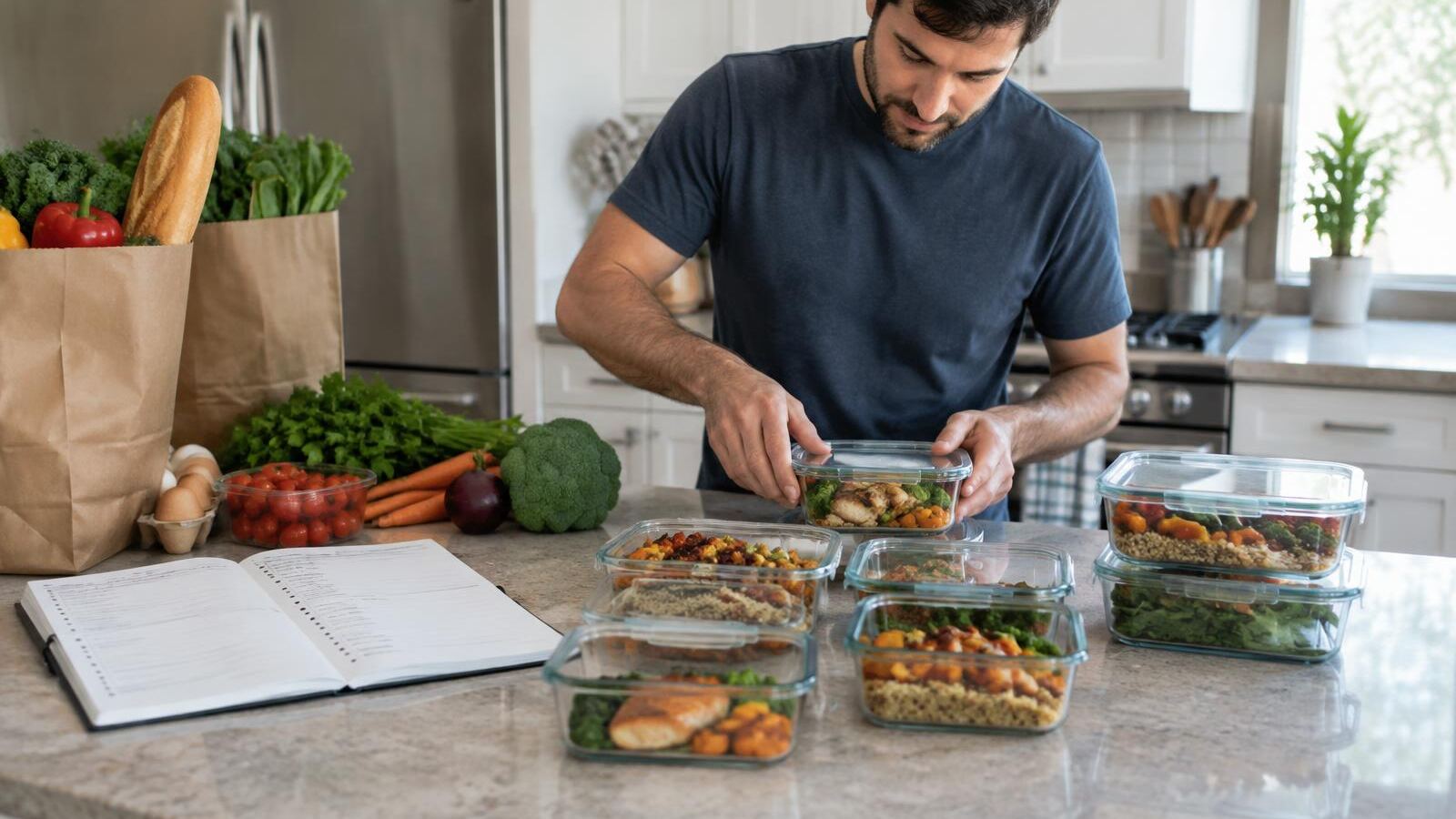
Check what you already have. Look in the fridge, freezer and pantry before you plan. Build a few meals around what needs to be used up.
Plan meals for the week. You don't need a fancy menu. Even planning five dinners helps. Leave a night or two for leftovers.
Plan around overlapping ingredients. If you buy a big bag of peppers, use them in fajitas one night and a pasta dish another.
Write a list and stick to it. A list helps cut impulse buys, which can add up fast, especially with kids in the cart.
Set a weekly grocery budget. Knowing your number before you shop makes it easier to make trade-offs in the store.
Shopping less often may help too. Fewer trips usually means fewer chances to grab "just one more thing."
Use unit prices to find the real deal
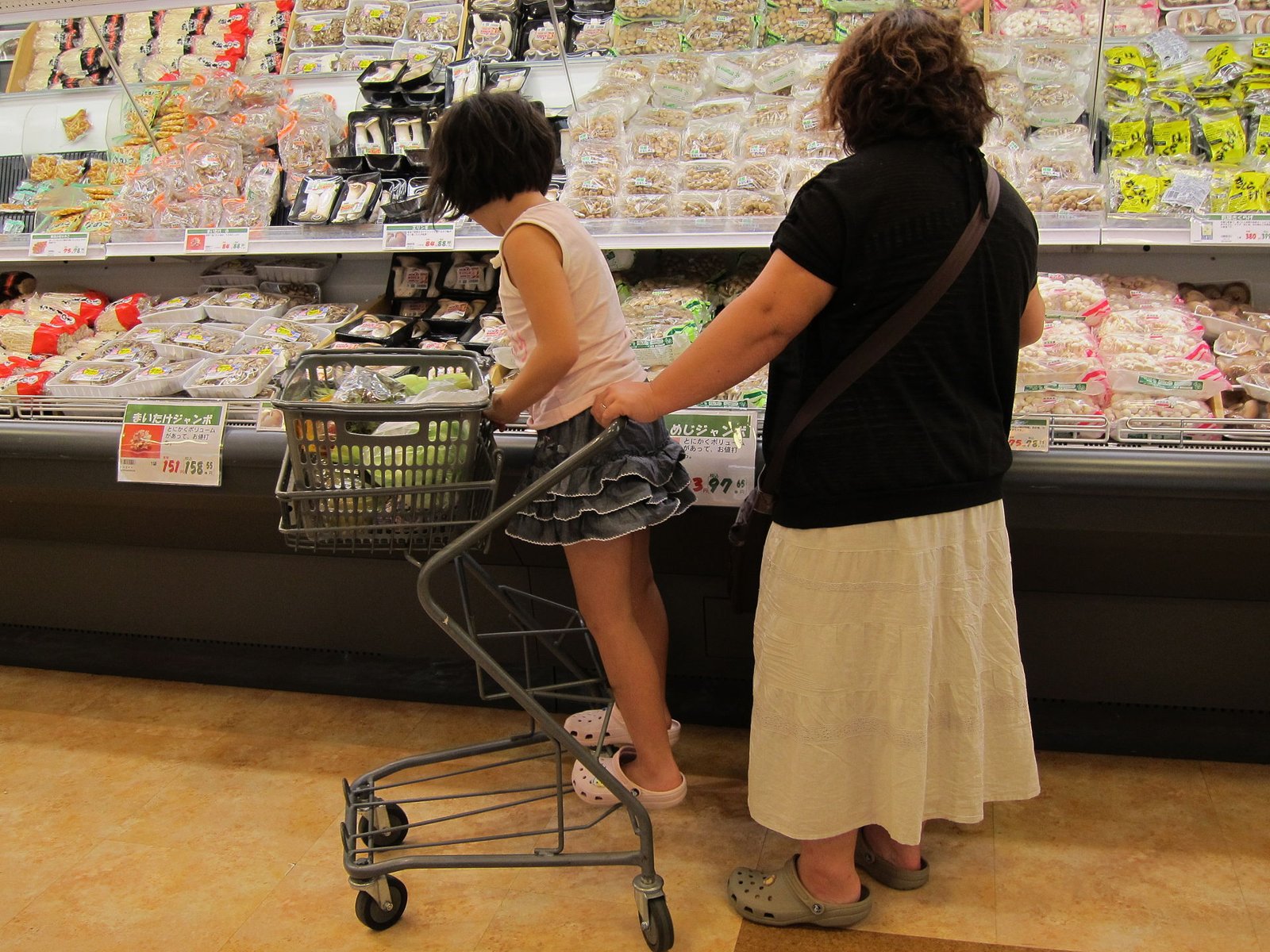
The big price on the shelf tag tells you what the package costs. The smaller unit price tells you what you pay per ounce, pound or other unit. North Dakota State University Extension explains that comparing unit prices helps you find the most economical choice.
If a store doesn't show it, you can figure it yourself: price ÷ size = unit price. For example, a $2.99 box that holds 12 ounces costs about 25 cents per ounce.
A few things unit prices can reveal:
Bigger isn't always cheaper. Larger packages often cost less per unit, but not always. And it's only a deal if your family uses it all before it goes bad.
Store brands may cost less. Store brands are often cheaper than name brands, and many families can't tell the difference.
Fresh, frozen, canned and dried can differ. The same food in a different form may have a very different unit price.
Choose budget-friendly foods that still fill kids up
You can eat well on a budget. Some ideas:
Frozen fruits and vegetables. They last longer, so less ends up in the trash, and they're handy for smoothies, stir-fries and sides.
Canned goods. Beans, tomatoes and fruit packed in juice are pantry staples that keep for a long time. Compare labels for sodium and added sugar.
Produce in season. Fruits and vegetables that are in season are often cheaper and taste better.
Whole foods instead of pre-cut or pre-made. A whole block of cheese, a whole chicken, or a head of lettuce often costs less than shredded, cut-up or bagged versions. You trade a little time for savings.
Cheaper proteins. Beans, lentils, eggs and canned fish can stretch your budget. Try a meatless night or two a week, or use less meat and more beans or veggies in dishes like chili and tacos.
Cook once, eat twice. Make a big batch of soup, casserole or pasta sauce, and freeze some for a busy night.
Snack foods and drinks can quietly eat up a large share of the bill. Making popcorn at home, cutting up fruit, or buying large tubs of yogurt and portioning them out may cost less than single-serve packs.
Waste less food
Every bit of food you throw away is money you threw away. The U.S. Department of Agriculture (USDA) has estimated that about 31% of the food supply is lost or wasted at the retail and consumer levels.
A big source of waste is confusion about date labels. According to the USDA's Food Safety and Inspection Service:
Except for infant formula, product dating isn't required by federal rules.
"Best if Used By" tells you when a product will have its best flavor or quality. It is not a purchase or safety date.
"Sell-By" tells the store how long to display a product. It is not a safety date.
"Use-By" is the last date recommended for peak quality. It is not a safety date, except on infant formula.
The USDA says foods can still be safe past these dates if they've been handled properly, until they show signs of spoilage, such as an off smell, flavor or texture. When in doubt, throw it out.
More ways to cut waste:
- Shop your fridge first and put older food in front.
- Freeze extras like bread, bananas and leftovers before they spoil.
- Have a "leftovers night" once a week.
- Serve smaller portions to kids, with seconds available, so less food gets scraped into the trash.
Use the tools the store gives you
Store loyalty programs and apps. Many stores offer digital coupons and member prices.
Weekly sales flyers. Planning meals around what's on sale can stretch your budget.
Stock up on sales, carefully. Buying extra of a pantry item when it's cheap can pay off, as long as you have room and will really use it.
Pickup or delivery. Ordering online and picking up may help you stick to your list and skip the candy aisle. Watch for fees.
Compare stores. Discount grocers, warehouse clubs and regular supermarkets all price items differently. A membership fee only pays off if you save more than it costs.
If money is very tight, food assistance programs may help. Your local food bank or your state's social services office can tell you what's available in your area.
This article is for education only and is not financial advice. Everyone's situation is different.
Content on The Evergreen Edit is for educational and informational purposes only and is not individualized financial, investment, tax or legal advice. Learn more.
This article is for educational purposes only and isn't personalized financial, tax or legal advice. Consider talking with a qualified professional about your situation.

Kiara Miller — Founder & Editor
Kiara Miller is the founder and editor of The Evergreen Edit. He has been doing independent finance research for two decades and reviews every article before it's published.
More about Kiara →Get smarter about your money.
Join readers who get The Sunday Edit every week.