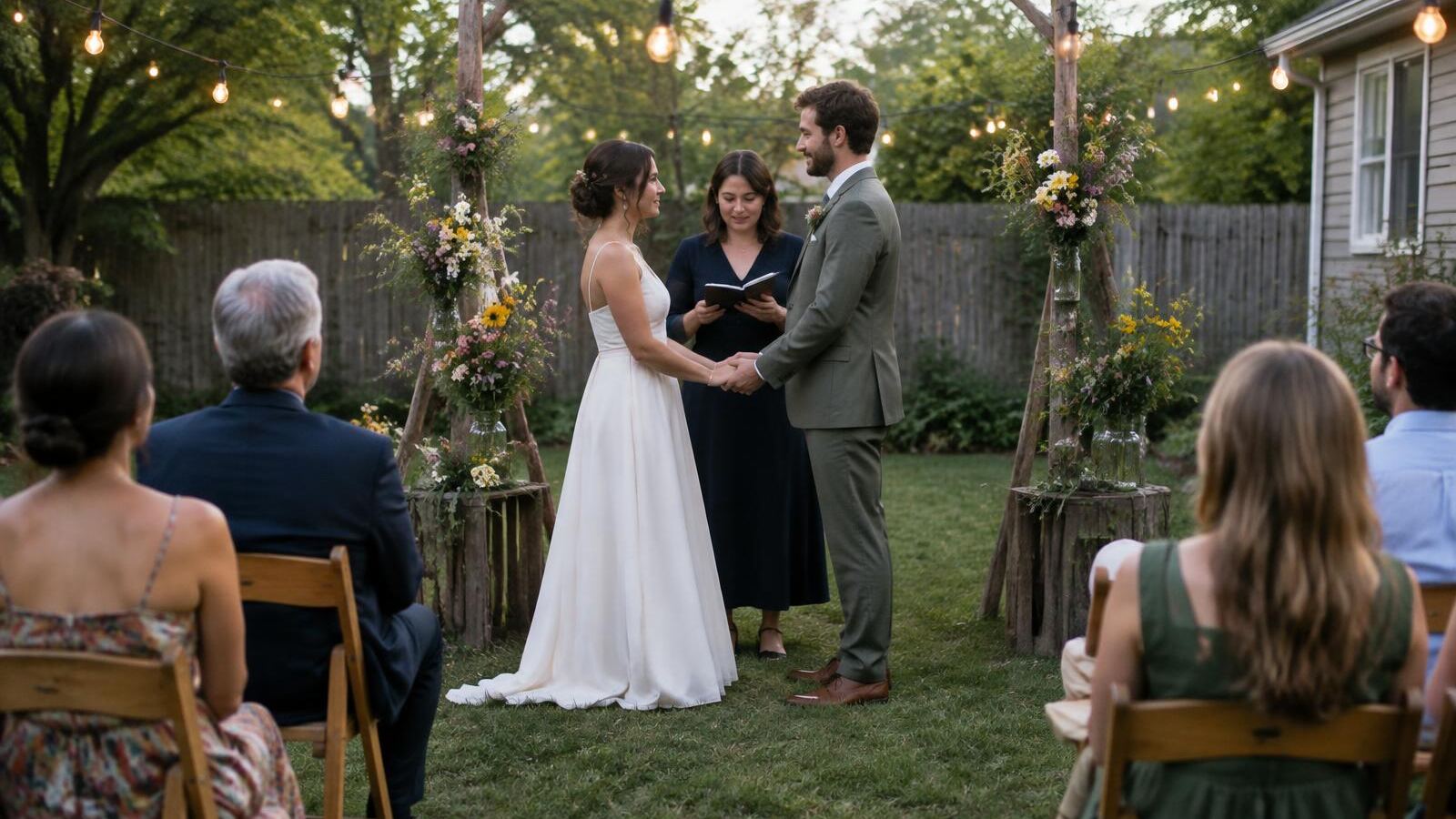
A wedding is a celebration of a relationship, not a financial test. Yet it’s easy to get swept up in expectations, social media images and vendor upsells until the costs feel completely out of control. Many couples end up spending far more than they planned, and some start married life paying off wedding debt for years.
It doesn’t have to be that way. With a clear plan and honest conversations, you can have a meaningful, joyful day without starting your marriage in debt.
Start with a number
Before you look at a single venue, dress or photographer, agree on a total budget together. Begin with what you can realistically save between now and the wedding date. If you have a year until the wedding and can set aside a certain amount each month, that gives you a clear starting figure.
Next, find out whether family members plan to contribute, and how much. Have these conversations early and directly, since assumptions can lead to misunderstandings later. If family contributions come with expectations, such as inviting certain guests or having a say in the venue, get clear on those too. Knowing the terms upfront helps you decide whether to accept the help.
Your total budget is the sum of your savings and confirmed contributions. Treat it as a firm ceiling rather than a starting point for negotiation.
Choose your priorities
No wedding can have the most expensive version of everything, and trying to do so is how budgets explode. Instead, each of you can pick your top two or three priorities. Maybe food and music matter most to one of you, while photography matters most to the other. Spend more generously on those priorities and look for savings everywhere else.
This approach ensures your money goes toward the things you’ll remember and value most, rather than spreading it thinly across items you don’t care much about.
The guest list is your biggest lever
Many wedding costs scale directly with headcount: catering, drinks, rentals, invitations, favors and even venue size. Trimming the guest list is often the single most effective way to lower costs. Inviting 75 people instead of 150 can cut many expenses roughly in half.
Consider creating tiers: the people you can’t imagine celebrating without, the people you’d like to include if budget allows, and the people you feel obligated to invite. Starting with the first group gives you a clearer sense of what’s essential.
Smart ways to save
Your date can make a big difference. Saturdays during peak wedding season are typically the most expensive. Choosing a Friday, Sunday or weekday, or an off-season month, can lower venue and vendor prices significantly.
Look beyond traditional wedding venues. Parks, community centers, museums, restaurants, backyards and family property can offer beautiful settings for less. Be sure to follow any permit requirements and check what’s included, since some venues require you to rent tables, chairs, restrooms and lighting separately.
Catering options vary widely in cost. Buffet, family-style or food truck catering can be more affordable than plated dinners. A brunch or afternoon reception often costs less than an evening dinner. Limiting the bar to beer, wine and a signature cocktail can also cut costs.
For attire, consider renting, buying pre-owned or choosing a dress or suit that isn’t marketed specifically for weddings, which often carries a premium. Digital invitations and wedding websites can replace printed invitations and save on printing and postage.
If you have talented friends or family members, such as a skilled baker, musician, photographer or florist, they may be happy to contribute their skills as their wedding gift. Be clear about expectations and have a backup plan for anything essential.
Track every expense
Wedding planning involves dozens of vendors, deposits and deadlines. Keep a spreadsheet with every quote, deposit, final payment due date and what’s included. Update it as you book vendors, and compare your running total with your budget regularly.
Read every contract carefully before signing, paying close attention to cancellation and postponement terms, what happens if a vendor can’t perform and when deposits become nonrefundable. Consider whether wedding insurance makes sense for your situation, especially if you’re making large nonrefundable deposits.
Remember to budget for easily forgotten costs, such as marriage license fees, alterations, hair and makeup, transportation, tips and thank-you notes.
Avoid wedding debt
Putting a wedding on credit cards you can’t pay off quickly can mean paying it off for years, with interest adding substantially to the total cost. If your plans exceed your budget, consider scaling back the guest list, choosing a different venue or date, or delaying the wedding to give yourselves more time to save rather than borrowing at high interest.
A smaller wedding that leaves you financially secure is far better than an extravagant one that leaves you stressed about debt in your first years of marriage.
Talk about money early
Planning a wedding is a perfect opportunity to discuss how you’ll handle money as a couple. Talk about your financial goals, any debts you each have, how you’ll manage bills and whether you’ll combine finances. These conversations lay the foundation for a strong financial partnership long after the wedding day is over.
Content on The Evergreen Edit is for educational and informational purposes only and is not individualized financial, investment, tax or legal advice. Learn more.
This article is for educational purposes only and isn't personalized financial, tax or legal advice. Consider talking with a qualified professional about your situation.

Kiara Miller — Founder & Editor
Kiara Miller is the founder and editor of The Evergreen Edit. He has been doing independent finance research for two decades and reviews every article before it's published.
More about Kiara →Get smarter about your money.
Join readers who get The Sunday Edit every week.