Investing apps have made buying stocks feel as casual as ordering takeout. A few taps and you own a slice of a company. But that convenience raises a fair question many new investors quietly wonder about: what actually happens to my money if something goes wrong? What if the app's company goes out of business, or someone breaks into my account?
The answers are reassuring in some ways and sobering in others. There are real protections in place, but they don't cover everything, and the biggest risks are often ones you can control yourself.
SIPC: protection if a brokerage fails
In the United States, most brokerage firms are members of the Securities Investor Protection Corporation, or SIPC. Robinhood Financial is one of them. SIPC was created by Congress to protect customers if a member brokerage firm fails financially and customer assets are missing.
If that happens, SIPC works to return customers' securities and cash. Its protection covers up to $500,000 per customer, including up to $250,000 for cash, in each separate capacity, such as an individual account and a joint account. In most brokerage failures, customer assets are held separately from the firm's own money, so customers often get their securities back through the liquidation process, and SIPC protection fills gaps if something is missing.
What SIPC doesn't do
This is the part many people misunderstand. SIPC does not protect you from losing money because your investments fell in value. If you buy a stock for $1,000 and it drops to $600, that $400 loss is market risk, and no insurance covers it. SIPC also doesn't protect against bad investment advice or every type of asset. Its job is to protect you if your broker fails, not if your investments do.
What about uninvested cash?
Many investing apps, including Robinhood, have programs that sweep uninvested cash in your account to partner banks. Money held at those banks may be eligible for FDIC insurance, which protects bank deposits up to legal limits if a bank fails. These programs can differ in how they work, which banks are involved and what limits apply, so it's worth reading your broker's current cash sweep disclosures to understand exactly how your cash is held and protected.
The risk you can control: account security
For most people, the bigger day-to-day danger isn't a brokerage collapse. It's someone gaining access to their account. Criminals target investing and financial accounts because they can sell investments and try to move money out quickly. Fortunately, a few simple habits block most of these attacks.
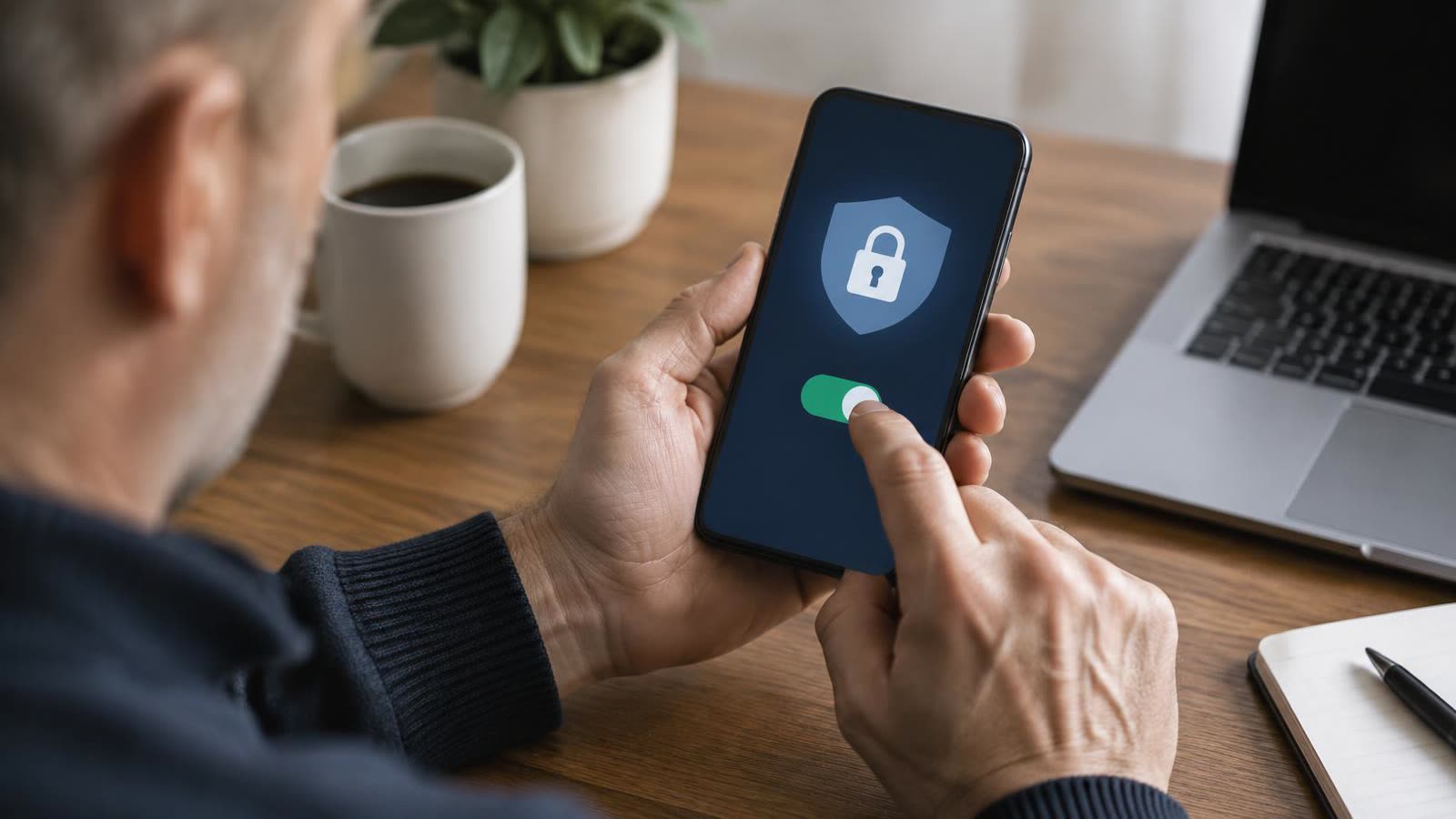
Start with two-factor authentication. This requires a second step, such as a code from an authenticator app or a text message, in addition to your password when you log in. Even if someone steals your password, they still can't get in without that second factor. It's one of the most effective security steps you can take, and it takes only a minute to turn on.
Next, use a strong, unique password for your investing account, one you don't use anywhere else. If a different website you use is ever breached, criminals often try those same passwords on financial accounts. A password manager makes it easy to create and remember unique passwords for every site.
Protect your email account too. Your email is often the key to resetting your other passwords, so secure it with a strong password and two-factor authentication as well. And review your account activity regularly. Spotting an unfamiliar login or trade early can limit the damage.
Scams that target investors
Many account takeovers start with a scam rather than a hack. Be wary of messages or calls claiming to be from your broker that ask for your login details or a one-time code. Legitimate companies won't ask you to share the code they just sent you. Fake customer support numbers found through search results or social media are another common trick.
Social media is also full of self-described investment coaches promising guaranteed returns or insider tips, often asking you to move money to another app or crypto wallet. Guaranteed returns are a classic warning sign. So is pressure to act quickly before you have time to think.
If something feels off, stop and contact your broker directly through the official app or website, not through a link or phone number someone sent you. If you've been targeted by fraud, report it to the Federal Trade Commission at ReportFraud.ftc.gov.
Checking out your broker
Before opening an account with any investing app, it's worth a quick background check. FINRA BrokerCheck, a free tool from the Financial Industry Regulatory Authority, lets you look up brokerage firms and see their registration status and any disciplinary history. It takes a couple of minutes and gives you peace of mind.
The bottom line
Your money at a SIPC-member brokerage has meaningful protection if the firm itself fails, and uninvested cash may have additional protection depending on how your broker handles it. But no protection covers market losses, and the most common threats to your account, stolen passwords and scams, are ones you can largely prevent with good security habits. Turn on two-factor authentication, use unique passwords, stay skeptical of unexpected messages and keep an eye on your account.
Content on The Evergreen Edit is for educational and informational purposes only and is not individualized financial, investment, tax or legal advice. Learn more.
This article is for educational purposes only and isn't personalized financial, tax or legal advice. Consider talking with a qualified professional about your situation.

Kiara Miller — Founder & Editor
Kiara Miller is the founder and editor of The Evergreen Edit. He has been doing independent finance research for two decades and reviews every article before it's published.
More about Kiara →Get smarter about your money.
Join readers who get The Sunday Edit every week.