Most people with Medicare Part B will get a one-time $90 payment automatically, and anyone who calls asking for your Medicare number to "release" it is likely a scammer.
Millions of seniors are about to get a small boost to help with Medicare costs. On Friday, October 2, the White House announced that more than 20 million people enrolled in Medicare Part B will receive a one-time $90 payment. President Trump announced the plan in a social media post late Friday night, according to Newsweek, and a White House fact sheet laid out the details.
Here's who qualifies, how the money arrives and how to protect yourself from scams that often follow news like this.
What was announced
The payments will come from the Medicare Improvement Fund. According to the White House, Congress gave this fund $2 billion to make improvements to traditional Medicare, which is also called "fee-for-service" Medicare. Fox Business estimated that, based on the figures provided, the payments would total roughly $2 billion.
The president described the payments as "nearly $100" in his post. The actual amount listed in the White House fact sheet is $90 per person.
The money is meant to help with Medicare Part B premiums. Part B is the part of Medicare that covers doctor visits, outpatient care and medical equipment. A premium is the monthly amount you pay to have coverage. According to Fox Business and Newsweek, the standard Part B premium in 2026 is $202.90 a month, so the $90 covers less than half of one month's premium.
Who qualifies for the $90 payment
According to the White House fact sheet, most people enrolled in Medicare Part B are eligible. There are two main groups who do not qualify:
- People whose Part B premiums are already paid by Medicaid. Medicaid is the joint federal and state program that helps people with low incomes pay for health care.
- People who pay an Income-Related Monthly Adjustment Amount, or IRMAA. This is an extra charge added to Medicare premiums for people with higher incomes.
You do not need to apply, according to Newsweek and Fox Business. The White House says most eligible people will get the money by direct deposit.
How and when the money arrives
According to the White House:
- Most eligible seniors will get the $90 by direct deposit in early October.
- People without direct deposit will get a paper check, also sent in early October, to the mailing address they have on file with Medicare.
If you want to check whether you qualify, the White House says to call 1-800-MEDICARE (1-800-633-4227). To check on the status of a payment, it says to call the Social Security Administration at 1-800-772-1213.
Watch out for scams
Whenever there's news about government payments, scammers try to cash in. They may call, text or email pretending to be from Medicare, Social Security or the government. They might say you need to "verify" your Medicare number, pay a fee or share your bank details to "release" or "speed up" your $90.
Here's what official sources say:
- The Federal Trade Commission (FTC) says Medicare will only ask you to verify information if you contact them first. The FTC also advises ignoring unexpected calls from anyone who demands your Medicare, personal or financial information.
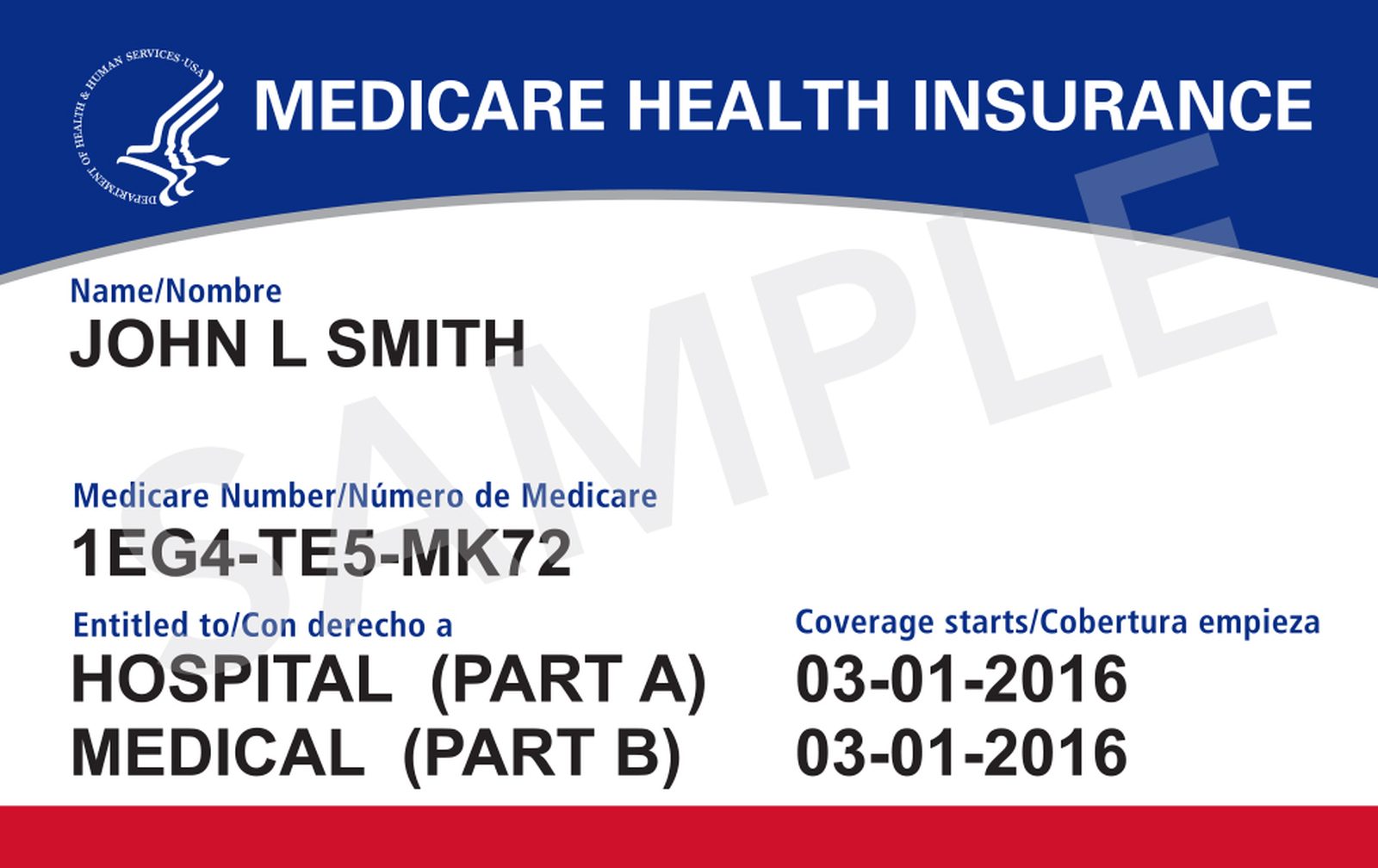
- Medicare.gov says Medicare will never call you to sell you anything or visit you at your home. It also advises sharing your Medicare number only with your doctor and other people you trust who are authorized to help you, such as your insurer.
Remember: news reports say no application is needed. So there's no reason to pay anyone, or hand over your Medicare number or bank details, to get this money.
If you think you've been targeted:
- Hang up, then call 1-800-MEDICARE (1-800-633-4227) yourself to report it.
- Report scams to the FTC at ReportFraud.ftc.gov.
- If you shared your Medicare number, call 1-800-MEDICARE to let them know. If you shared bank information, contact your bank right away.
What this means for your wallet
For most seniors, $90 is a modest one-time help, not a permanent change to Medicare costs. A few ideas to consider:
- Check your bank account in early October for a deposit, or watch your mail if you don't use direct deposit.
- Decide where the money goes. You might set it aside for next month's premium, a pharmacy copay or another health cost.
- Don't count on it repeating. This is described as a one-time payment, so it may be best not to build it into your regular monthly budget.
- Talk with family members. Older relatives may be the target of scam calls about these payments. A quick reminder that Medicare won't call asking for their number could help protect them.
This article is for education only and is not financial advice. Everyone's situation is different.
Content on The Evergreen Edit is for educational and informational purposes only and is not individualized financial, investment, tax or legal advice. Learn more.
This article is for educational purposes only and isn't personalized financial, tax or legal advice. Consider talking with a qualified professional about your situation.

Kiara Miller — Founder & Editor
Kiara Miller is the founder and editor of The Evergreen Edit. He has been doing independent finance research for two decades and reviews every article before it's published.
More about Kiara →Get smarter about your money.
Join readers who get The Sunday Edit every week.