If you trade on a prediction market like Kalshi and come out ahead, it's natural to think of the gains as found money. The IRS is likely to see it differently. In general, income from almost any source is taxable unless the law specifically excludes it, and gains from trading are no exception.
Taxes on prediction market activity are less straightforward than taxes on, say, a paycheck or a stock sale, because event contracts are relatively new for everyday traders. That's exactly why it pays to stay organized from the start. This article explains the basics, but it isn't tax advice, and rules can change.
Gains are generally taxable
The starting point is simple: if you make money trading event contracts, you should expect it to be taxable income. That's true whether or not you withdraw the money from your account and whether or not you receive a tax form. Many people mistakenly assume that if no form arrives, they don't need to report anything. In fact, you're generally responsible for reporting taxable income either way.
How event contracts are taxed isn't fully settled
Here's where things get more complicated. It isn't always clear-cut how gains from event contracts should be classified for tax purposes. Depending on the circumstances and how the rules are interpreted, they could potentially be treated as gambling winnings, as capital gains or under another category. Each treatment comes with different rules about rates, how losses work and what forms are involved.
Because event contract trading is still relatively new for individual traders, guidance continues to develop. This uncertainty is one of the best reasons to talk with a tax professional, especially if you trade frequently, have significant gains or losses, or have other complicated tax circumstances.
Watch for tax documents
Kalshi may provide tax documents for eligible accounts. Check your account's tax or documents section early each year and keep copies of anything you receive. If a form arrives, the IRS typically receives a copy too, so the amounts should match what you report.
Even if you don't receive a form, keep in mind that you're still generally responsible for reporting taxable income. Don't wait for paperwork to start thinking about taxes.
Keep good records all year
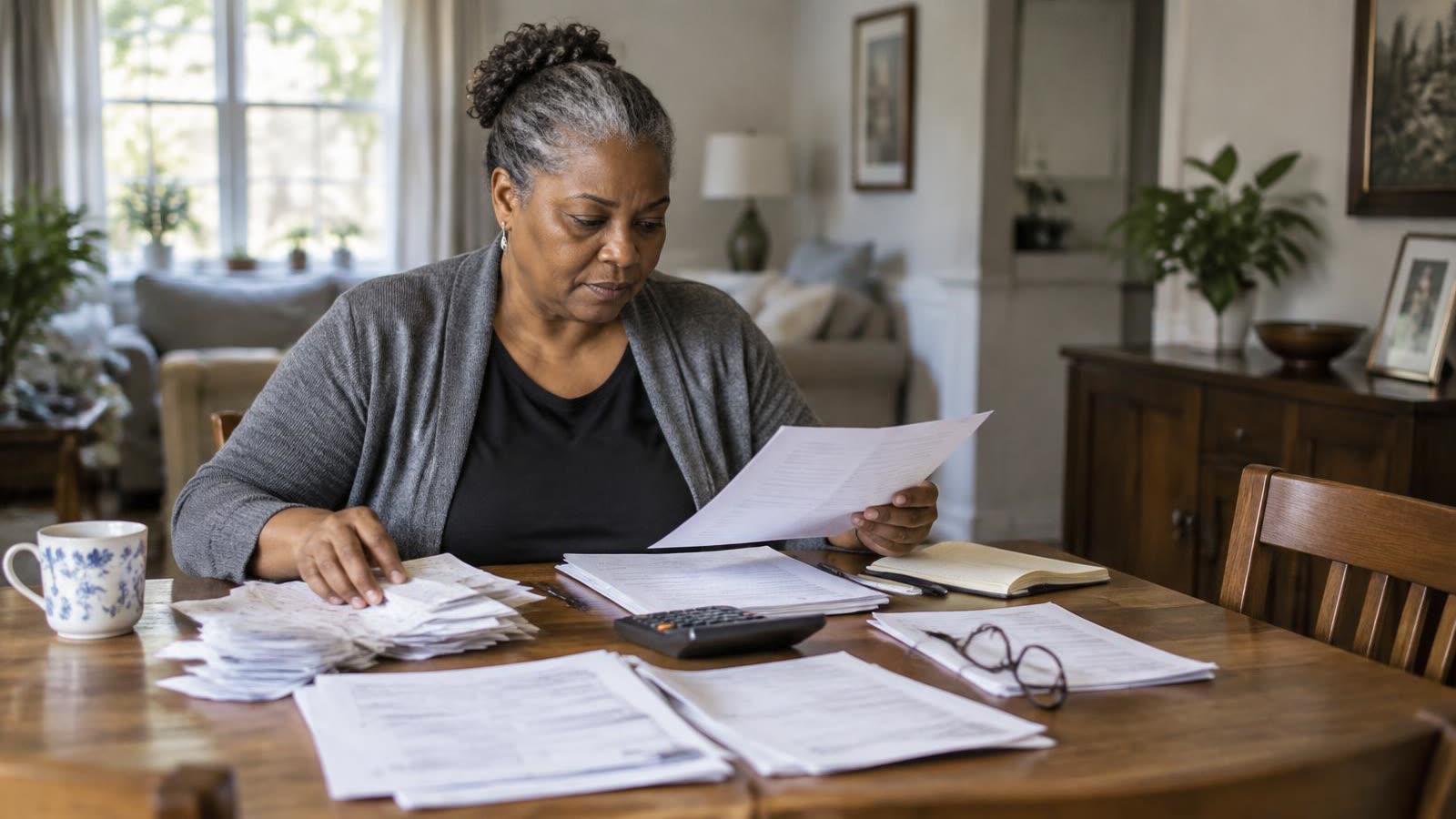
Good records are your best friend at tax time, and they're much easier to keep as you go than to reconstruct later. A simple spreadsheet updated once a month can cover everything you need.
Track your deposits into and withdrawals from your account, along with the dates. Record each trade or at least your monthly results, including what you paid for contracts and what you received. Note any fees you paid, since they may affect your net results. And record any bonuses, promotional credits or referral rewards you receive, because these may have tax implications of their own.
What about losses?
Losses are one of the trickiest parts. Whether and how losses can offset gains depends on how the activity is classified for tax purposes. Under some classifications, losses may offset gains or other income within certain limits. Under others, the rules may be more restrictive. Because of this, it's important not to assume your losses will automatically cancel out your gains. Ask a tax professional how they apply to your situation.
Bonuses and promotions
Prediction market platforms sometimes offer sign-up bonuses, referral rewards or promotional credits. These may be considered income in some cases. Keep a record of any bonuses you receive and mention them to your tax professional, so nothing is overlooked.
Set money aside for taxes
If you have gains, consider setting aside a portion for taxes as soon as you withdraw them, perhaps in a separate savings account. That way, a tax bill won't catch you off guard in April. If your gains are large, a tax professional can tell you whether you should make estimated tax payments during the year to avoid underpayment penalties.
Getting professional help
An enrolled agent, a certified public accountant or another qualified tax professional can help you understand how your trading should be reported and whether any losses can help offset gains. Bring your records, any tax documents you received and information about bonuses or promotions. The cost of professional help is often small compared with the cost of reporting incorrectly.
The bottom line
If you trade on prediction markets, plan for taxes from day one. Keep simple monthly records, save any tax documents, set aside money from gains and get professional advice when you need it. A little organization throughout the year can save you a lot of stress at tax time.
Content on The Evergreen Edit is for educational and informational purposes only and is not individualized financial, investment, tax or legal advice. Learn more.
This article is for educational purposes only and isn't personalized financial, tax or legal advice. Consider talking with a qualified professional about your situation.

Kiara Miller — Founder & Editor
Kiara Miller is the founder and editor of The Evergreen Edit. He has been doing independent finance research for two decades and reviews every article before it's published.
More about Kiara →Get smarter about your money.
Join readers who get The Sunday Edit every week.