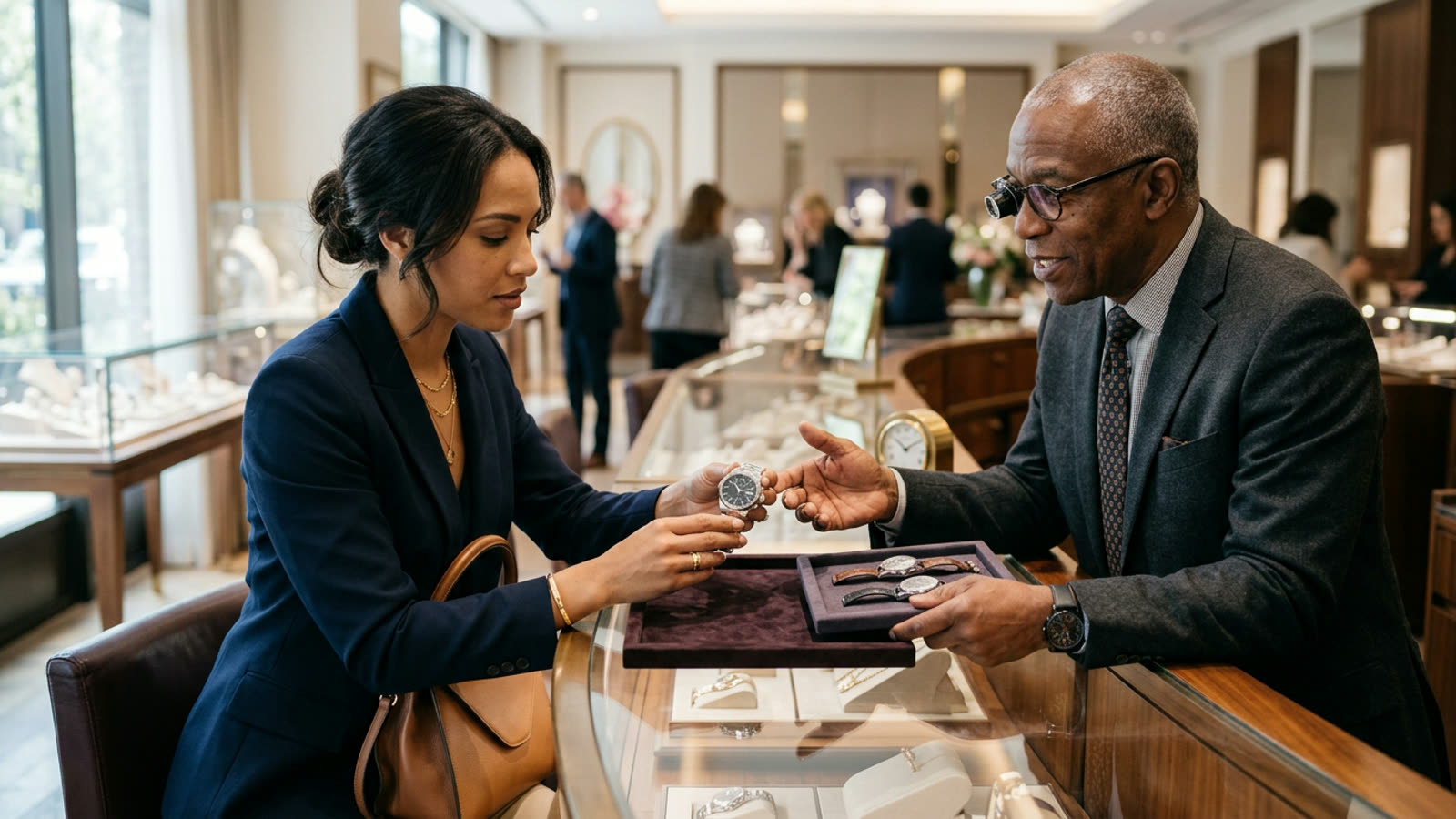
There’s nothing wrong with enjoying beautiful things. A finely crafted watch, a designer handbag, a luxury car or a piece of fine jewelry can bring genuine joy and reflect personal taste and accomplishment. The key is buying luxury items in a way that supports your financial goals rather than undermining them. With a thoughtful approach, luxury purchases can be a rewarding part of a healthy financial life.
Pay yourself first
Before buying luxury goods, make sure your financial foundation is solid. That means your retirement savings are on track, your emergency fund is fully funded, high-interest debt is paid off and other financial goals, such as saving for children’s education or a home, are progressing.
Once these priorities are covered, luxury spending can come from money that’s truly available for it, rather than money that should be going toward your future security. Some people set aside a dedicated luxury or fun fund in their budget, saving toward special purchases over time.
Think in cost per use
Cost per use is a helpful way to evaluate luxury purchases. Divide the price of an item by the number of times you expect to use it to understand its true value.
A high-quality coat worn every winter for ten years may cost less per wear than cheaper coats replaced every couple of years. A well-made pair of shoes or a durable bag used daily can offer excellent value over time.
A rarely used item, however beautiful, can be poor value. An expensive dress worn once or a luxury gadget that sits unused offers little return on its cost.
Considering cost per use can help you prioritize luxury purchases that will be used and enjoyed frequently.
Understand value and resale
Most luxury items lose value once purchased. A luxury car, for example, typically depreciates significantly, especially in the first few years. Designer clothing and most accessories also lose much of their value once worn.
Some luxury items, such as certain watches, jewelry, handbags from specific brands or art, may hold their value better or even appreciate. However, appreciation is never guaranteed, and resale markets can be unpredictable, influenced by trends, brand popularity and economic conditions. Transaction costs, such as dealer markups and resale fees, also reduce returns.
Buy luxury items for enjoyment, not as a sure investment. If an item holds or increases its value, that’s a bonus, but basing a purchase on expected appreciation can lead to disappointment.
Smart buying tips
Research thoroughly before buying. Understand the item’s quality, craftsmanship, typical prices and reputation. Read reviews and compare options.
Buy from reputable sellers. Counterfeit luxury goods are common, especially online. Buying from authorized retailers, the brand directly or reputable resellers with authentication guarantees helps ensure you get genuine products.
Consider certified pre-owned options. Pre-owned luxury goods, such as watches, handbags, cars and jewelry, can offer significant savings compared with new items. Certified pre-owned programs often include authentication and warranties. Buying pre-owned also lets someone else absorb the initial depreciation.
Keep receipts, authentication papers, certificates and appraisals. Documentation supports insurance claims, proves authenticity and can help if you decide to sell later.
Insure valuable items properly. Standard homeowners or renters insurance policies may have limited coverage for high-value items like jewelry, watches and art. Consider scheduling valuable items on your policy or purchasing specialized coverage, and update appraisals periodically.
Wait before buying to make sure you really want it. Luxury purchases are often driven by emotion and excitement. Waiting a few days or weeks before buying can help you distinguish between a genuine desire and an impulse. If you still want the item after waiting, you can buy it with confidence.
Consider maintenance costs. Some luxury items, such as luxury cars and mechanical watches, require ongoing maintenance that can be expensive. Factor these costs into your decision.
Avoid debt for luxury purchases
Financing luxury purchases with credit cards or loans can turn a treat into a burden. Interest charges increase the true cost of the item, and debt payments can strain your budget and delay other financial goals. Luxury car loans and leases, in particular, can tie up significant income for years.
Save first and pay in cash when possible. Paying with money you’ve saved means you truly own the item and can enjoy it without financial stress. If you use a credit card for rewards or purchase protection, pay the balance in full immediately.
Watch for lifestyle creep
As income rises, it’s natural to want to enjoy the rewards of success. But gradually upgrading everything, from cars to clothing to vacations, can quietly consume income that could be building wealth. Being intentional about which luxuries matter most to you helps prevent lifestyle creep from undermining long-term goals.
Align with your values
Luxury spending feels best when it reflects what you truly value, not when it’s about keeping up with others, impressing people or filling an emotional need. Consider whether a purchase brings you genuine joy and fits your personal values. When luxury spending is thoughtful, planned and aligned with your priorities, it can be a meaningful part of enjoying the wealth you’ve worked hard to build.
Content on The Evergreen Edit is for educational and informational purposes only and is not individualized financial, investment, tax or legal advice. Learn more.
This article is for educational purposes only and isn't personalized financial, tax or legal advice. Consider talking with a qualified professional about your situation.

Kiara Miller — Founder & Editor
Kiara Miller is the founder and editor of The Evergreen Edit. He has been doing independent finance research for two decades and reviews every article before it's published.
More about Kiara →Get smarter about your money.
Join readers who get The Sunday Edit every week.