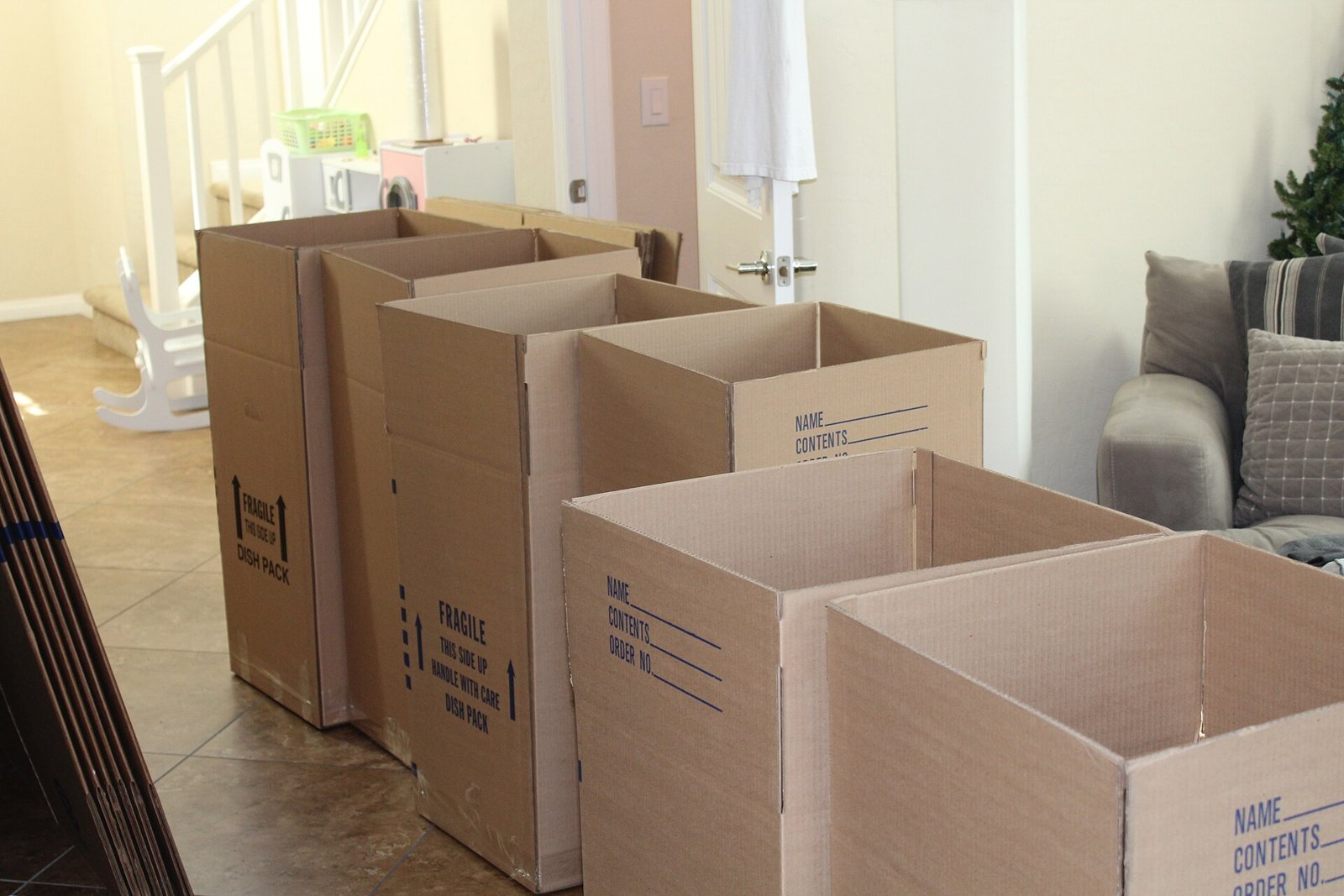
A smaller home can free up cash and cut chores, but the best move is the one that fits both your budget and the life you want.
For many people, the family home holds decades of memories. It may also hold a lot of their wealth. As retirement nears or the kids move out, a common question comes up: should we stay, or should we move somewhere smaller?
Downsizing means moving to a home that is smaller, cheaper to run or easier to live in. It can be a smart money move for some people and a poor fit for others. This guide walks through the reasons people downsize, the costs that are easy to miss and the questions that can help you decide.
Why people consider downsizing
People downsize for many reasons, and money is only one of them.
- Lower monthly costs. A smaller home may mean lower property taxes, insurance, utility bills and upkeep.
- Freeing up home equity. Equity is the part of your home's value you own outright, after any mortgage. Selling a larger home and buying a less expensive one can turn some of that equity into cash for retirement.
- Less work. Fewer rooms to clean and a smaller yard can mean more free time and less physical strain.
- A better fit for later years. A single-level home, wider doorways or a walk-in shower may make it easier to stay independent.
- Being closer to what matters. Some people move to be near family, health care, public transit or a community they love.
The costs that are easy to miss
Downsizing does not always save as much as people expect. Before you list your home, add up the full cost of the move:
- Selling costs. Real estate agent commissions, repairs to get the home ready, staging and any credits you offer buyers.
- Buying costs. Closing costs on the new home, inspections and possibly a new mortgage.
- Moving costs. Movers, packing supplies, storage units and travel.
- Setting up the new place. New furniture that fits smaller rooms, window coverings and any updates.
- Ongoing fees. Condos and many 55-plus communities charge homeowners association (HOA) fees. These monthly fees can rise over time and sometimes include special assessments, which are extra charges for big repairs.
Also compare costs in the new area. A smaller home in a pricier neighborhood or a state with higher taxes may end up costing more each month, not less.
A simple test can help: write down what you spend each month to live in your current home. Then estimate the same costs for the new one. Subtract the one-time costs of moving from the cash you expect to free up. What is left is your real gain.
Taxes when you sell your home
Many people worry about taxes when selling a home they have owned for a long time. The good news is that federal tax rules let many homeowners exclude a large part of their profit, or gain, from income.
According to the IRS, to qualify for the home sale exclusion you generally must meet both an ownership test and a use test. That means you owned the home and lived in it as your main home for at least two years out of the five years before the sale. The IRS also says you generally cannot use the exclusion if you already used it on another home sale within the two years before.
There is a cap on how much gain you can exclude. The limit is higher for married couples filing jointly than for single filers. If your gain is more than the limit, the extra amount is taxable, and you must report the sale. Check IRS Topic 701 on irs.gov for the current amounts and rules, and consider talking with a tax professional if you have owned your home for many years or used part of it for business or as a rental.
Keep records of major improvements you made to the home over the years, such as a new roof or a modernized kitchen. IRS Publication 523 explains that the cost of improvements is added to your home's basis, which is roughly what you have invested in it. A higher basis can mean a smaller taxable gain.
Lifestyle questions to ask yourself
The numbers matter, but so does how you want to live. Consider:
- Where do you want to be in five or ten years? Near family? In a walkable town? Somewhere warmer?
- What will your health and mobility needs be? Stairs, long driveways and big yards can become harder over time.
- How much space do you really use? Think about the rooms you use every week versus those that sit empty.
- Will you host family? If grandchildren visit often, a guest room may still matter.
- How attached are you to your community? Friends, faith communities, clubs and doctors can be hard to replace.
- Are you ready to let go of belongings? Sorting through decades of items takes time and can bring up strong feelings.
Talking these questions through with a spouse, partner or adult children can help everyone get on the same page before a big decision.
Alternatives to selling
Downsizing is not the only way to lower costs or tap your home's value. Other options people sometimes consider include:
- Aging in place with changes. Adding grab bars, a first-floor bedroom or better lighting may let you stay longer.
- Renting out space. A spare room or separate unit may bring in income, if local rules allow it.
- Renting instead of buying. Selling and renting can free up all your equity and remove repair duties, though rent can rise over time.
- A reverse mortgage. The Consumer Financial Protection Bureau explains that a Home Equity Conversion Mortgage (HECM), the most common type of reverse mortgage, is a loan only for homeowners 62 and older. You do not make monthly payments, but interest and fees are added to the balance, so it grows. You must still pay property taxes and homeowners insurance and keep up the home, and the loan comes due when you no longer live there. It is a loan, not free money, so compare it carefully.
For help finding local services for older adults, such as programs that support living independently at home, the Eldercare Locator, a public service of the federal Administration for Community Living, can connect you with your local Area Agency on Aging.
Making the move smoother
If you decide to downsize, a few steps can make it easier:
- Start early. Sort belongings room by room over months, not weeks.
- Decide what to keep, give, sell or donate. Offer family members special items first.
- Measure the new space. Know which furniture will fit before moving day.
- Build a moving budget. Use the costs above so surprises do not eat into your savings.
- Have a plan for the extra cash. If selling frees up money, decide ahead of time how it fits into your retirement plan instead of letting it drift.
This article is for education only and is not financial advice. Everyone's situation is different.
Content on The Evergreen Edit is for educational and informational purposes only and is not individualized financial, investment, tax or legal advice. Learn more.
This article is for educational purposes only and isn't personalized financial, tax or legal advice. Consider talking with a qualified professional about your situation.

Kiara Miller — Founder & Editor
Kiara Miller is the founder and editor of The Evergreen Edit. He has been doing independent finance research for two decades and reviews every article before it's published.
More about Kiara →Get smarter about your money.
Join readers who get The Sunday Edit every week.