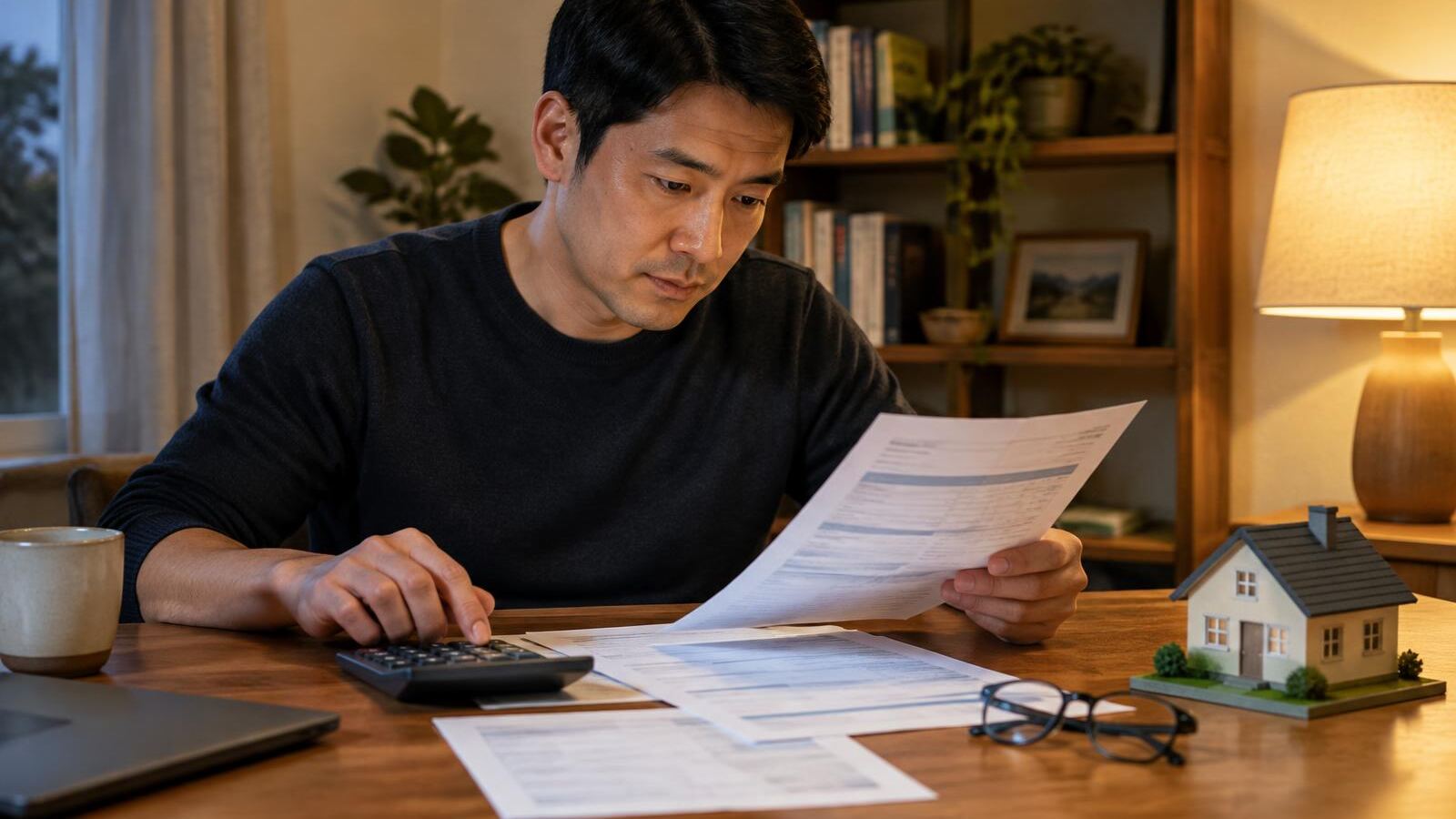
For many people, the biggest obstacle to buying a first home isn't the monthly payment. It's the upfront cash. Saving for a down payment and closing costs can take years, especially when rent is high and home prices are rising. What many first-time buyers don't realize is that help may be available. Across the country, state and local governments, nonprofits and other organizations offer programs designed to help first-time buyers cover down payments, closing costs or interest rates.
Who counts as a first-time buyer
You might qualify as a first-time homebuyer even if you've owned a home before. Many programs use a definition similar to the one used by the U.S. Department of Housing and Urban Development, which generally includes people who haven't owned a principal residence in the past three years. Some programs also include other groups, such as single parents who previously owned a home only with a former spouse. Definitions vary by program, so it's worth checking the rules for each one you're considering.
Types of assistance
First-time buyer programs come in several forms, and understanding the differences is important, because some must be repaid and others don't.
Grants are the most generous form of help. They provide money for a down payment or closing costs that usually doesn't have to be repaid, though there may be conditions, such as living in the home for a certain period.
Forgivable loans provide money upfront as a loan, but the loan is forgiven over time if you meet certain conditions, typically living in the home as your primary residence for a set number of years. If you sell or move out early, you may have to repay some or all of it.
Deferred or low-interest second mortgages provide down payment or closing cost assistance as a second loan on your home. Some have no payments until you sell, refinance or pay off your first mortgage, at which point the balance becomes due. Others have low monthly payments.
Some programs offer below-market interest rates on the main mortgage itself, often through state housing finance agencies. A lower rate can reduce your monthly payment for the life of the loan.
In some states, mortgage credit certificates can reduce your federal income tax by allowing you to claim a credit for a portion of the mortgage interest you pay each year.
Where to look for programs
Your state housing finance agency is often the best place to start. Most states have one, and they run many of the largest down payment assistance and first-time buyer programs. Their websites typically list available programs, eligibility requirements and participating lenders.
City and county housing departments may offer additional local programs, sometimes targeted to specific neighborhoods or communities. Local nonprofits and community development organizations also run assistance programs and often provide homebuyer education. Some employers, labor unions and credit unions offer homebuying benefits to their members or employees as well.
Many assistance programs work through approved lenders, so it's also worth asking lenders which programs they participate in. A lender experienced with these programs can help you figure out which ones you might qualify for and how to combine them.
Common requirements
Each program sets its own rules, but some requirements are common. Many programs have income limits, which vary based on household size and location. Purchase price limits may cap how expensive a home you can buy with assistance. Minimum credit score requirements are common, as is a requirement that you live in the home as your primary residence.
Many programs also require you to complete a homebuyer education course. These courses cover topics like budgeting, the mortgage process, closing and maintaining a home. Even if they're required, many buyers find them genuinely helpful, especially for understanding the full cost of homeownership.
It's especially important to read the fine print on repayment. Some assistance comes due when you sell or refinance, which can affect your plans down the road. Make sure you understand when and how any assistance must be repaid before you accept it.
Get free or low-cost guidance
HUD-approved housing counseling agencies offer free or low-cost help to homebuyers. A counselor can review your finances, help you understand which programs you might qualify for, explain the homebuying process and help you get ready for a mortgage. You can find a HUD-approved counselor through HUD's website or the Consumer Financial Protection Bureau.
Be cautious of anyone who charges large upfront fees to find assistance for you. Legitimate help is widely available for free or at low cost, and you shouldn't need to pay a private company to access public programs.
Assistance is part of the plan, not all of it
Even with assistance, you'll typically still need some savings of your own, along with a budget that can handle monthly mortgage payments, property taxes, insurance and maintenance. Assistance can close the gap, but it works best when combined with a solid plan for your finances. With the right combination of savings and support, homeownership may be within reach sooner than you think.
Content on The Evergreen Edit is for educational and informational purposes only and is not individualized financial, investment, tax or legal advice. Learn more.
This article is for educational purposes only and isn't personalized financial, tax or legal advice. Consider talking with a qualified professional about your situation.

Kiara Miller — Founder & Editor
Kiara Miller is the founder and editor of The Evergreen Edit. He has been doing independent finance research for two decades and reviews every article before it's published.
More about Kiara →Get smarter about your money.
Join readers who get The Sunday Edit every week.