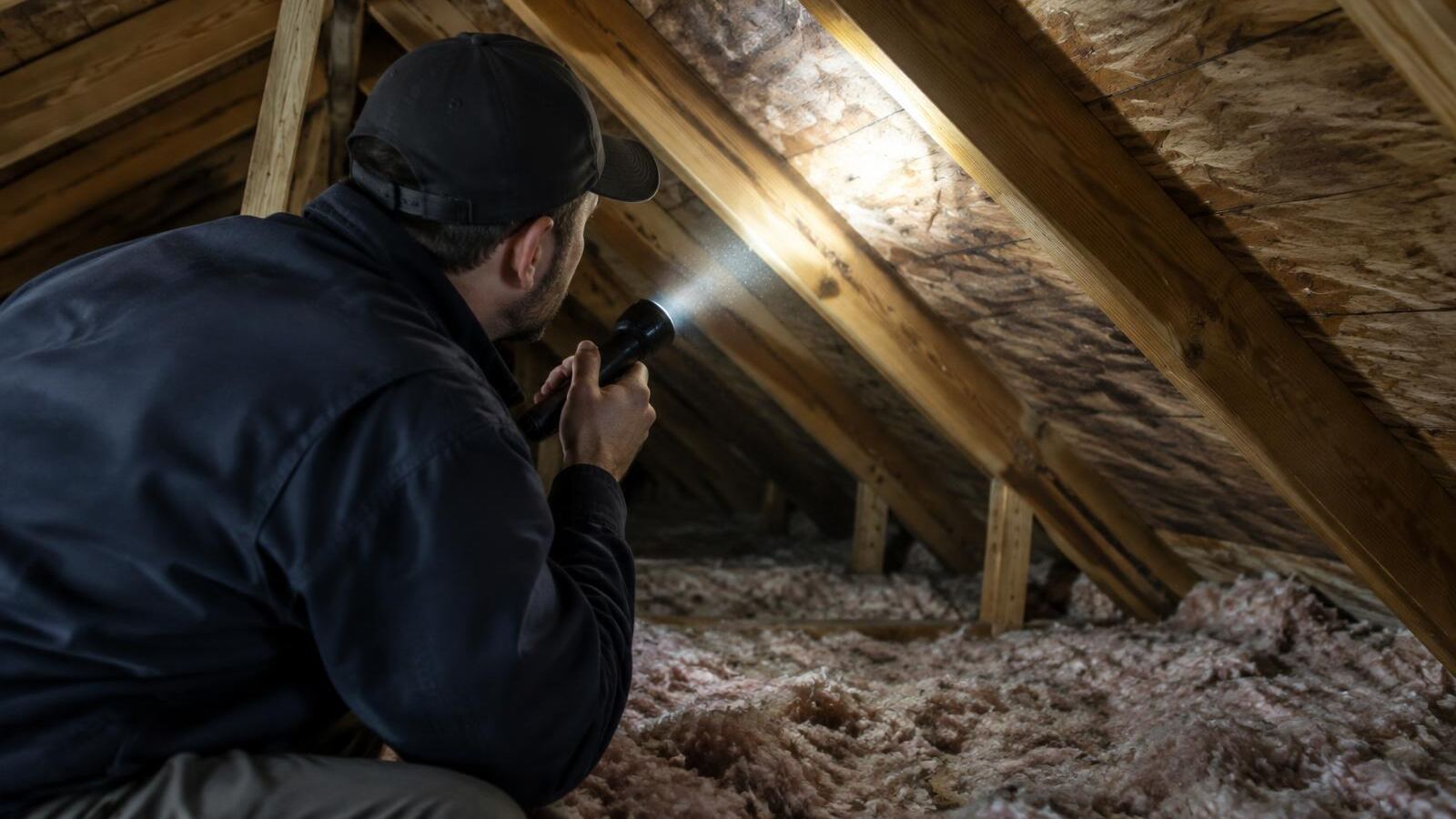
Buying a home without an inspection is a bit like buying a used car without looking under the hood. A home might look beautiful during a showing, with fresh paint and staged furniture, while hiding problems that could cost thousands of dollars to fix. A professional home inspection is one of the best ways to understand what you're really buying before you're locked in.
Inspection versus appraisal
Many buyers confuse home inspections with appraisals, but they serve different purposes. An appraisal is typically ordered by your lender to estimate the home's market value. The lender wants to make sure the home is worth at least as much as the loan. An appraisal doesn't evaluate the home's condition in detail.
A home inspection, on the other hand, is something you arrange and pay for yourself. Its purpose is to evaluate the home's condition and identify problems. Most lenders don't require a home inspection, which makes it easy to skip, but it's one of the most valuable protections a buyer has.
What a general inspection usually covers
A general home inspection typically examines the home's major systems and visible components. Inspectors usually look at the roof, attic and visible structure for signs of damage, aging or leaks. They check the foundation and look for signs of water damage, settling or cracks.
The plumbing system is reviewed, including visible pipes, fixtures and the water heater. Inspectors examine the electrical system, including the electrical panel, outlets and visible wiring, looking for safety hazards or outdated components. Heating and cooling systems are tested to make sure they work and to estimate their condition. Windows, doors, walls, floors and ceilings are checked for damage or defects, and built-in appliances are tested.
It's important to understand the limits of a general inspection. Inspectors examine what they can see and reach safely. They generally don't open walls, move a seller's furniture or belongings or inspect areas that are inaccessible. An inspection is a visual evaluation, not a guarantee that a home is free of problems.
Specialist inspections to consider
Depending on the home and where it's located, you may want additional inspections from specialists. A sewer line inspection uses a camera to check the pipe connecting the home to the city sewer or septic system, which can reveal expensive problems like tree root damage. Radon testing checks for a naturally occurring radioactive gas that can build up in homes and pose health risks. Mold inspections may be worthwhile if there are signs of moisture problems.
Pest inspections check for termites and other wood-destroying insects. Homes with chimneys may benefit from a chimney inspection, and homes with pools, wells or septic systems often need specialized inspections for those features. Your general inspector may recommend specialist inspections based on what they find.
Protect yourself with an inspection contingency
An inspection contingency is a clause in your purchase offer that makes the sale dependent on a satisfactory inspection. It typically gives you a set number of days after your offer is accepted to have the home inspected.
If the inspection reveals serious problems, the contingency may allow you to ask the seller to make repairs, request a credit toward closing costs, negotiate a lower price or, in some cases, cancel the contract and typically recover your earnest money deposit. The exact terms depend on your contract, so review them carefully with your real estate agent.
In competitive housing markets, some buyers waive the inspection contingency to make their offer more attractive. That can help win a bidding war, but it shifts significant risk to the buyer. If you waive the contingency and later discover major problems, you may have little recourse. Some buyers compromise by getting a pre-offer inspection or by keeping the inspection for informational purposes only.
How to use the inspection report
Inspection reports can be long and overwhelming, often listing dozens of items. Not every item is a cause for concern. It helps to sort the findings into three groups. The first group is safety issues, such as faulty wiring, gas leaks or missing smoke detectors, which should be addressed promptly. The second is major, expensive items, such as roof problems, foundation issues, failing heating or cooling systems or significant water damage. The third is minor and cosmetic items, such as small cracks, loose fixtures or worn caulking, which you can handle over time.
Focus your negotiations on the first two groups. For significant issues, consider getting repair estimates from licensed contractors so you know what you're asking for. Sellers are generally more receptive to requests backed by real numbers.
Tips for inspection day
Attend the inspection if you can. Walking through the home with the inspector gives you a chance to ask questions, see problems firsthand and learn how the home's systems work. Ask the inspector which systems or components are nearing the end of their expected lifespan, such as an aging roof or water heater, so you can plan for future expenses. Take photos and notes, which can be helpful for future maintenance and repairs.
The bottom line
A home inspection is a relatively small investment compared with the cost of a home, and it can save you from expensive surprises. Even if it doesn't reveal major problems, it gives you a detailed understanding of the home you're buying and a roadmap for maintenance in the years ahead.
Content on The Evergreen Edit is for educational and informational purposes only and is not individualized financial, investment, tax or legal advice. Learn more.
This article is for educational purposes only and isn't personalized financial, tax or legal advice. Consider talking with a qualified professional about your situation.

Kiara Miller — Founder & Editor
Kiara Miller is the founder and editor of The Evergreen Edit. He has been doing independent finance research for two decades and reviews every article before it's published.
More about Kiara →Get smarter about your money.
Join readers who get The Sunday Edit every week.