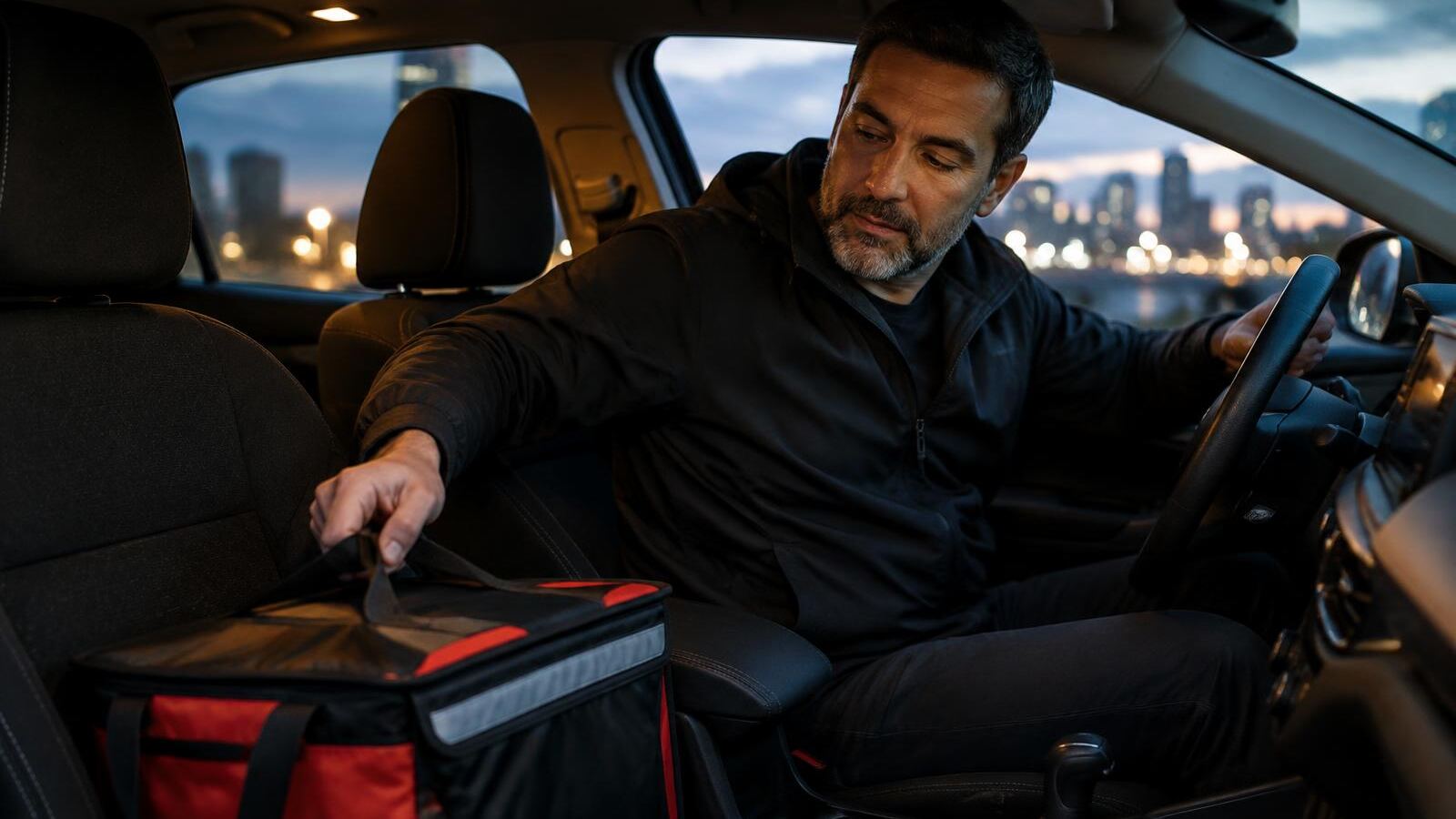
Driving for rideshare or food delivery apps is one of the easiest side hustles to start. You can often sign up in days, choose your own hours, work as much or as little as you like and get paid quickly. For people with a reliable car and some free time, it can be a convenient way to earn extra money. But there's an important catch: the number you see in the app isn't your real profit. Driving comes with costs that don't show up on your earnings screen, and understanding them is the key to knowing whether this side hustle is worth your time.
Getting started
Each app sets its own requirements. Common requirements include a minimum age, a valid driver's license, proof of insurance and a background check. Rideshare apps, which carry passengers, typically have additional vehicle standards, such as the car's age, number of doors and condition. Some delivery apps allow drivers to use bikes, scooters or motorcycles in certain cities, which can lower costs.
Signing up for more than one app can give you more opportunities to earn, especially during busy times, though it also requires more juggling.
The hidden costs of driving
When you drive for an app, your car becomes a business tool, and using it costs money. Gas or charging is the most obvious expense, and it can be significant, especially with long trips or heavy traffic. Maintenance adds up faster when you're driving more, including oil changes, tires, brakes and other repairs.
Depreciation is a big but often overlooked cost. Every mile you drive reduces your car's value, and gig drivers put far more miles on their cars than most people. Other costs include car washes, phone mounts, chargers and higher phone data usage.
These costs don't appear in the app, but they come straight out of your pocket. Ignoring them can make driving look far more profitable than it really is.
Check your insurance
Insurance is one of the most important and most overlooked issues for gig drivers. Many personal auto insurance policies don't cover accidents that happen while you're driving for a rideshare or delivery app. If you're in an accident while working and your policy doesn't cover commercial use, you could be left with significant costs.
Rideshare and delivery companies typically provide some insurance coverage during certain stages of a trip, but there may be gaps, such as when you're logged in and waiting for a request. Many insurers offer rideshare or delivery endorsements that can fill those gaps for a modest additional cost. Before your first trip, call your insurance company, explain what you'll be doing and make sure you're properly covered.
Track every business mile
Business mileage can be one of the biggest tax deductions available to gig drivers. You can generally deduct either your actual car expenses, such as gas, maintenance and depreciation, or use the IRS standard mileage rate for business miles. For many drivers, the standard mileage rate is simpler and can provide a substantial deduction.
To claim mileage, you need good records. Use a mileage tracking app or keep a log of miles driven while working, including the date, purpose and number of miles. Miles driven while waiting for or traveling to a ride or delivery may count as business miles in some cases, but personal trips don't. Check IRS guidance or consult a tax professional about what qualifies.
Figure out your real hourly pay
To understand what you're really earning, calculate your true hourly pay. At the end of each week, take your total earnings, subtract your gas costs and an estimate for maintenance, wear and tear and taxes, then divide by the total hours you were logged in, including time spent waiting for requests.
Doing this calculation regularly helps you identify which days, times and areas are most profitable. Many drivers find that driving during peak hours in busy areas earns far more per hour than driving at slow times.
Stay safe
Safety should always be a priority. Use the safety features built into the apps, such as sharing your trip status with someone you trust. Trust your instincts, and don't hesitate to cancel or decline a ride or delivery if something feels wrong. Never drive when you're tired, and take breaks during long shifts.
Is it worth it?
For some people, rideshare and delivery driving is a convenient and flexible way to earn extra money. For others, once all costs are considered, the real hourly pay is lower than expected. The only way to know is to track your earnings and expenses carefully. If you do decide to drive, treat it like a business: get the right insurance, track your miles and know your true profit.
Content on The Evergreen Edit is for educational and informational purposes only and is not individualized financial, investment, tax or legal advice. Learn more.
This article is for educational purposes only and isn't personalized financial, tax or legal advice. Consider talking with a qualified professional about your situation.

Kiara Miller — Founder & Editor
Kiara Miller is the founder and editor of The Evergreen Edit. He has been doing independent finance research for two decades and reviews every article before it's published.
More about Kiara →Get smarter about your money.
Join readers who get The Sunday Edit every week.