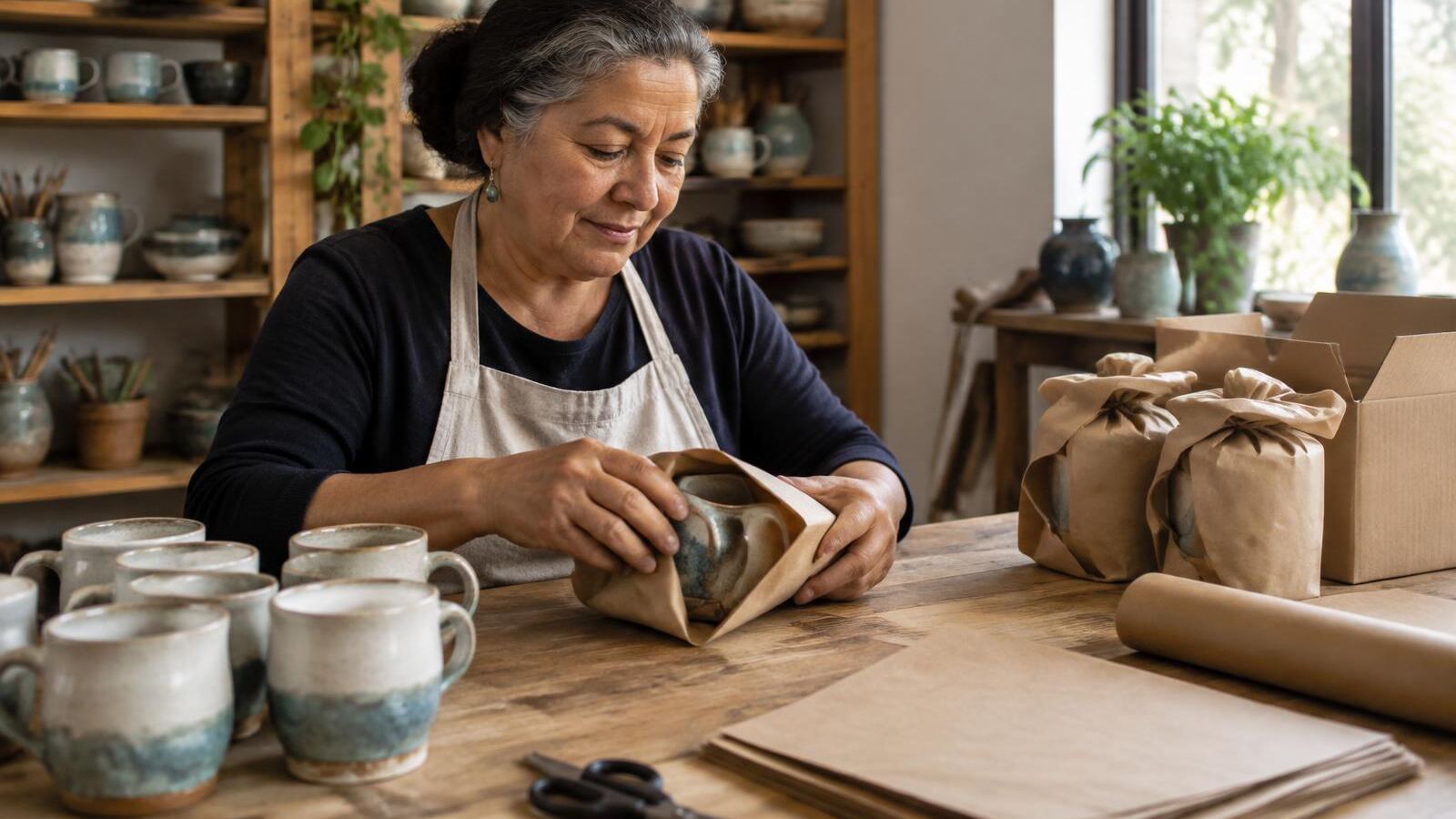
If you love making things, whether it's jewelry, candles, pottery, artwork, knitted goods, woodwork or home decor, you may have wondered whether people would pay for your creations. Many makers turn a creative hobby into a meaningful source of income by selling online. The internet connects you with buyers far beyond your local area, and setting up shop has never been easier. But turning a hobby into a profitable side hustle requires more than talent. It takes smart pricing, good photos and attention to the business side.
Price for profit, not just to cover supplies
Underpricing is the most common mistake handmade sellers make. Many makers price their work based only on the cost of materials, or on what they think people will pay, leaving little or nothing for their time and effort. Over time, that can turn a fun hobby into exhausting unpaid work.
A more sustainable approach builds your price from several components. Start by adding up the material costs for one item. Then add your time, using an hourly rate you'd genuinely be happy earning. Next, include marketplace fees, payment processing fees and the cost of packaging and shipping supplies, if you're not charging shipping separately. Finally, add a profit margin, which allows your business to grow and covers unexpected costs.
If the resulting price seems too high for buyers, resist the urge to simply cut your own pay. Instead, look for ways to make items more efficiently, buy materials in bulk or focus on products with better margins.
Choosing where to sell
There are many ways to sell handmade goods, and many makers use more than one. Online handmade marketplaces have built-in audiences of shoppers specifically looking for unique, handcrafted items, which makes them a popular starting point. They typically charge listing fees and a percentage of each sale.
Social media can be a powerful sales channel, especially for visual products. Sharing your process, finished pieces and behind-the-scenes content can build a loyal following, and many platforms offer built-in shop features.
Local options matter too. Craft fairs, farmers markets and holiday markets let you meet customers in person, which can lead to repeat buyers and word-of-mouth referrals. Some local boutiques sell handmade goods on consignment or buy them wholesale.
As your business grows and you build a steady customer base, your own website gives you more control over branding and lets you avoid some marketplace fees, though you'll need to drive your own traffic.
Photos and descriptions sell your products
When shopping online, buyers can't pick up your products, feel the texture or see the colors in person. Your photos do the selling for you. Use natural light whenever possible, since it shows colors accurately. A clean, simple background keeps the focus on your product. Take photos from several angles, include close-ups of details and show the item in use or in context, such as jewelry being worn or a candle on a table, so buyers can picture it in their own lives.
Descriptions matter too. Include the size and dimensions, materials, colors, care instructions and how long shipping takes. If items are made to order, say so clearly. Telling the story behind your work, such as your inspiration or process, can help buyers connect with what you make.
The business side
Running a handmade business involves some practical responsibilities. Track your materials, fees, sales and other expenses from day one. Good records help you understand which products are most profitable and are essential at tax time, since income from selling handmade goods is generally taxable.
Check whether you need to collect sales tax. Many states require sellers to collect sales tax on certain goods, and online marketplaces often handle this for sales made through their platforms, but rules vary. Your city or county may also require a business license.
Some products have special safety or labeling requirements. Candles, cosmetics, soaps, food products and items made for children are examples of products that may be subject to regulations. Research the rules for your products before you start selling to avoid problems later.
Avoiding burnout
Turning a hobby into a business can sometimes drain the joy that made you love it in the first place. A few habits can help keep it fun. Start with a small, focused product line rather than trying to offer everything. Pay attention to which items sell well, and make more of those.
Batch production, making several of the same item at once, saves time and makes your process more efficient. Setting regular business hours, even for a side hustle, helps protect your personal time and prevents your hobby from taking over your life.
Growing over time
Many successful handmade businesses started small, with a few products and a handful of customers. By pricing fairly, presenting products well, treating customers kindly and paying attention to the business details, you can grow your creative hobby into a rewarding source of income, and maybe even something bigger.
Content on The Evergreen Edit is for educational and informational purposes only and is not individualized financial, investment, tax or legal advice. Learn more.
This article is for educational purposes only and isn't personalized financial, tax or legal advice. Consider talking with a qualified professional about your situation.

Kiara Miller — Founder & Editor
Kiara Miller is the founder and editor of The Evergreen Edit. He has been doing independent finance research for two decades and reviews every article before it's published.
More about Kiara →Get smarter about your money.
Join readers who get The Sunday Edit every week.