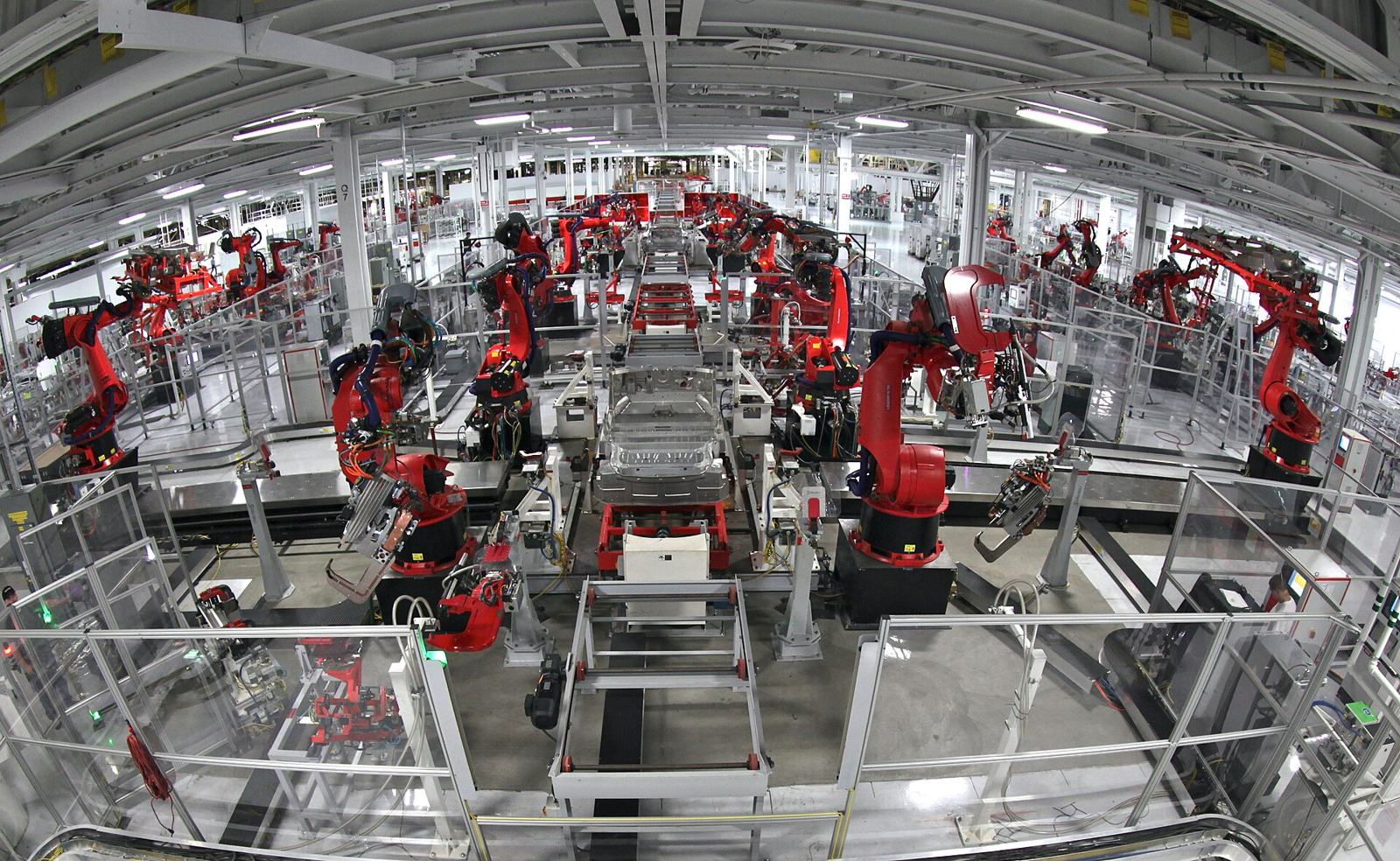
Factories are busy, but they are paying a lot more for steel, aluminum and other materials, and some of that cost could show up in the prices you pay.
On Oct. 1, the Institute for Supply Management (ISM) released its monthly report on U.S. factories. The headline number was steady. The price number was not.
The report showed that American manufacturing grew for the ninth month in a row in September. But the part of the survey that tracks what factories pay for materials jumped sharply. That matters for shoppers, because higher costs at the factory can work their way down to the price tag on things you buy.
What the September report showed
ISM surveys purchasing managers, the people at companies who buy raw materials and parts. Their answers are combined into the Purchasing Managers' Index, or PMI. A reading above 50% means manufacturing is growing. A reading below 50% means it is shrinking.
Here are the key numbers for September:
- Overall PMI: 54.5%, down slightly from 54.6% in August. That is still solidly in growth territory.
- New orders: 55.3%, up from 53.7%. Customers are still placing orders.
- Employment: 52.7%, up from 51.2%. Factories added workers at a faster pace.
- Prices: 77.9%, up 6.8 points from 71.1% in August.
The PMI came in a little below the 55.0% that economists expected, according to FXStreet. Still, 12 manufacturing industries reported growth in September, and only two, printing and textile mills, reported shrinking.
Why factory prices climbed
The Prices Index measures whether companies are paying more or less for the things they buy. A reading of 77.9% means a large share of factories said their costs went up.
Susan Spence, who chairs ISM's manufacturing survey committee, pointed to three main causes. In the report, she said the reading "is still being driven by (1) increases in steel and aluminum prices that impact the entire value chain, (2) tariffs applied to many imported goods and (3) increases in petroleum-based products as a result of the Middle East conflict."
A tariff is a tax on imported goods. The importing company pays it, and that cost can be passed along to buyers.
The report listed many materials that rose in price, including steel, aluminum, copper, electronic components, memory chips, semiconductors, freight and fuel. Notably, ISM said no commodities went down in price in September.
Survey responses also reflected frustration. ISM said tariffs came up in 34% of the negative comments it received. One respondent quoted in the report said, "The U.S. tariff schedule is providing challenges."
From the factory floor to the store shelf
Factory costs do not hit your wallet right away, and they do not always hit it at all. A company may choose to absorb higher costs for a while to keep customers happy. It may also find savings elsewhere.
But when costs stay high for months, businesses often raise prices. Materials like steel, aluminum and copper go into a long list of everyday items, from cars and appliances to canned goods and electronics. Higher freight and fuel costs can add to the price of almost anything that has to be shipped.
Quartz noted that the price jump could complicate decisions at the Federal Reserve, the nation's central bank, which raised its key interest rate by a quarter point in September. When inflation stays high, the Fed may keep borrowing costs higher for longer. That can affect credit card rates, car loans and other debt.
What this means for your wallet
A single month of factory data is not a forecast. Prices could ease if material costs or tariffs come down. Still, this report is a signal worth noticing, especially as holiday shopping season gets closer.
Here are a few ways you might prepare:
- Watch big-ticket items. Appliances, cars, tools and electronics use a lot of metal and chips. If you already plan to buy one, consider comparing prices now and tracking them over the next few weeks.
- Build some cushion into your budget. If your grocery and household bills have crept up, consider adding a little extra room to those categories for the next few months.
- Plan holiday spending early. Setting a gift budget now, before the rush, could help you avoid surprises later.
- Keep an eye on interest rates. If you carry a credit card balance, higher-for-longer rates may make paying it down sooner more valuable.
- Stay flexible. Store brands, used items and waiting for sales can help offset rising prices.
This article is for education only and is not financial advice. Everyone's situation is different.
How to read survey-based indexes
Reports like the ISM manufacturing survey are diffusion indexes. Rather than measuring prices directly, they ask purchasing managers whether conditions are better, worse or the same as the month before. A reading above 50 generally signals that more respondents saw increases than decreases, while a reading below 50 signals the opposite.
Because they come out quickly and reflect what businesses are seeing in real time, these surveys are watched as early signals of where official inflation data may head. They aren’t perfect predictors, and price pressures at factories can take months to reach store shelves, if they do at all. Watching the trend over several months gives a clearer picture than any single report.
Content on The Evergreen Edit is for educational and informational purposes only and is not individualized financial, investment, tax or legal advice. Learn more.
This article is for educational purposes only and isn't personalized financial, tax or legal advice. Consider talking with a qualified professional about your situation.

Kiara Miller — Founder & Editor
Kiara Miller is the founder and editor of The Evergreen Edit. He has been doing independent finance research for two decades and reviews every article before it's published.
More about Kiara →Get smarter about your money.
Join readers who get The Sunday Edit every week.