Economic news can feel abstract until it shows up in your own life: in the interest rate on a mortgage quote, the price of groceries or the number of job openings in your field. Most people follow the economy through headlines that report what already happened. Prediction markets offer a different angle. On platforms like Kalshi, you can see what traders collectively expect to happen before the official numbers come out, and watch those expectations shift in real time.
Whether or not you ever trade, understanding these markets can make economic news easier to follow and help you think about how upcoming events might affect your finances.
What economic markets are
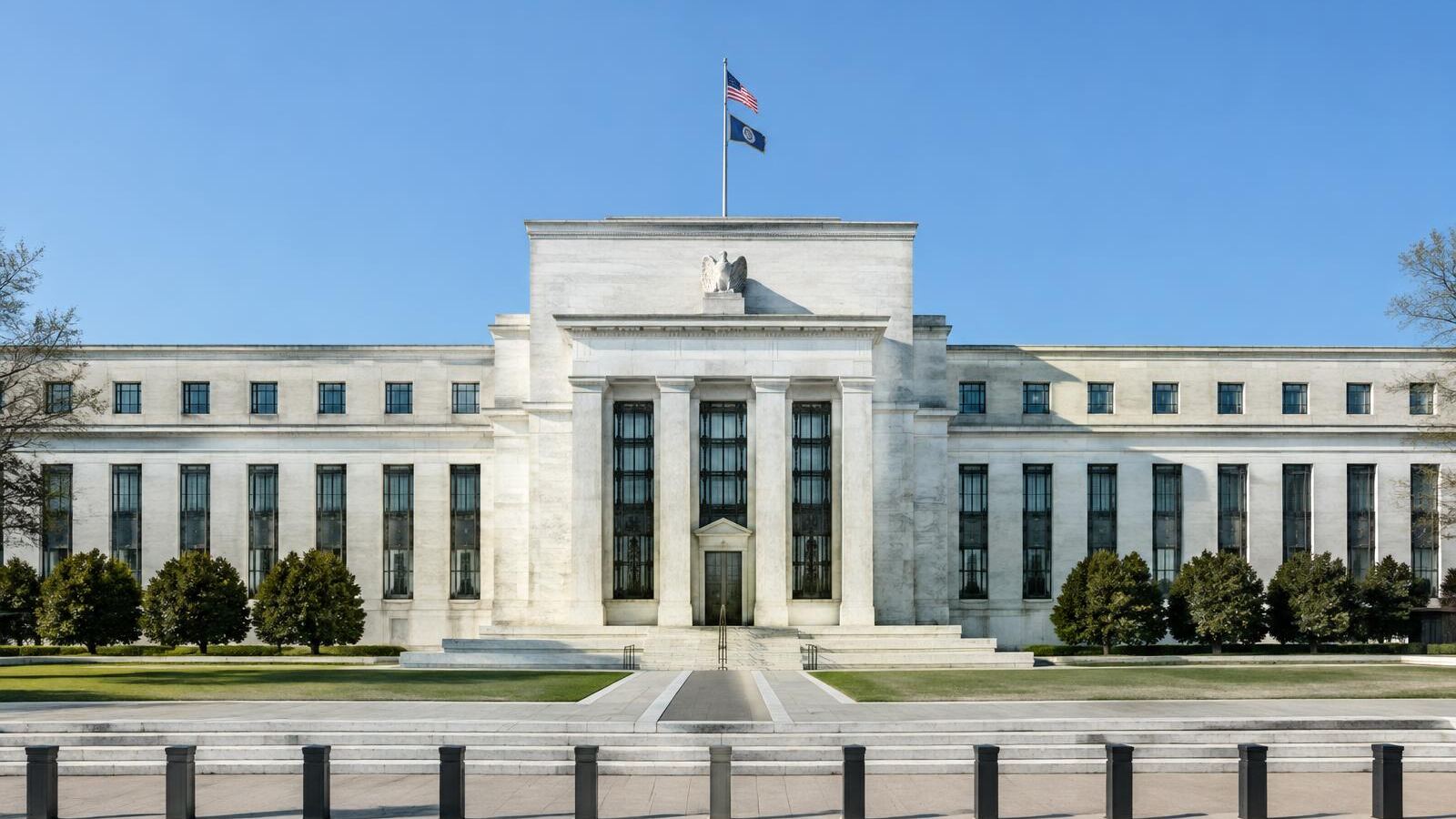
Kalshi has offered event contracts tied to a range of economic events and indicators. These have included Federal Reserve interest rate decisions, inflation readings such as the Consumer Price Index, labor market data such as the unemployment rate and job growth, and other indicators such as gas prices.
Each market asks a specific yes-or-no question. One might ask whether the Federal Reserve will cut rates at its next meeting. Another might ask whether monthly inflation will come in above a certain level, or whether the unemployment rate will be at or above a particular number. Some economic topics are split into several markets covering different ranges, so traders can express more precise views.
How they're settled
Every Kalshi market has rules that spell out exactly how it will be resolved, including which source determines the outcome. Economic markets are generally settled based on the official result from the government agency or other source named in the market's rules, such as a data release from the Bureau of Labor Statistics or an announcement from the Federal Reserve.
Reading those rules matters. A market about 'inflation' might refer to a specific measure, a specific month and a specific type of change, such as month-over-month versus year-over-year. Small details like these can determine whether a contract pays out.
What the prices tell you
Because Kalshi contracts pay $1 if an outcome happens and $0 if it doesn't, prices can be read roughly as the market's estimate of the probability. If a contract on a Federal Reserve rate cut is trading at 70 cents, traders as a group are pricing in roughly a 70% chance of a cut. If it trades at 15 cents, the market sees a cut as unlikely.
Those probabilities can move quickly. A strong jobs report, a hotter-than-expected inflation reading or a speech by a Federal Reserve official can shift expectations within minutes. Watching how prices react is a vivid way to see how much a single piece of news can change the outlook.
Following the economy without trading
You don't have to trade to benefit from these markets. Simply watching expectations around big economic releases can teach you a lot about how the economy works and how different pieces fit together.
For example, you might notice that a surprisingly strong inflation report makes a rate cut look less likely, or that weak job numbers make one look more likely. Over time, you start to see the links between data releases, Federal Reserve decisions and the interest rates you encounter in everyday life, like mortgage rates, savings account yields and credit card rates.
For people planning major financial decisions, such as buying a home or refinancing a loan, keeping an eye on rate expectations can provide useful context, though no one can predict rates with certainty.
How these markets compare with other forecasts
Prediction markets aren't the only way to gauge economic expectations. Economists publish forecasts before major releases, financial markets price in expectations through instruments like futures, and the Federal Reserve itself publishes projections. Prediction markets are one more data point, with the advantage of updating continuously as traders react to new information. Each source has its strengths and blind spots, and none is always right.
Keep perspective
Market expectations can be wrong, sometimes dramatically. Economic data can surprise even professional forecasters, and initial releases are often revised later. A market pricing in an 80% chance of an outcome will still see the other outcome roughly one time in five.
More importantly, economic outcomes affect real households, and your best defense against an uncertain economy isn't predicting it correctly. It's preparing for a range of possibilities: keeping an emergency fund, managing debt carefully, maintaining a realistic budget and investing consistently for the long term.
If you choose to trade
If you decide to trade economic markets, treat it as entertainment spending, not as investing or a way to hedge your finances. Start small, read each market's rules carefully, check fees before every trade and set a firm monthly limit you can afford to lose.
Content on The Evergreen Edit is for educational and informational purposes only and is not individualized financial, investment, tax or legal advice. Learn more.
This article is for educational purposes only and isn't personalized financial, tax or legal advice. Consider talking with a qualified professional about your situation.

Kiara Miller — Founder & Editor
Kiara Miller is the founder and editor of The Evergreen Edit. He has been doing independent finance research for two decades and reviews every article before it's published.
More about Kiara →Get smarter about your money.
Join readers who get The Sunday Edit every week.