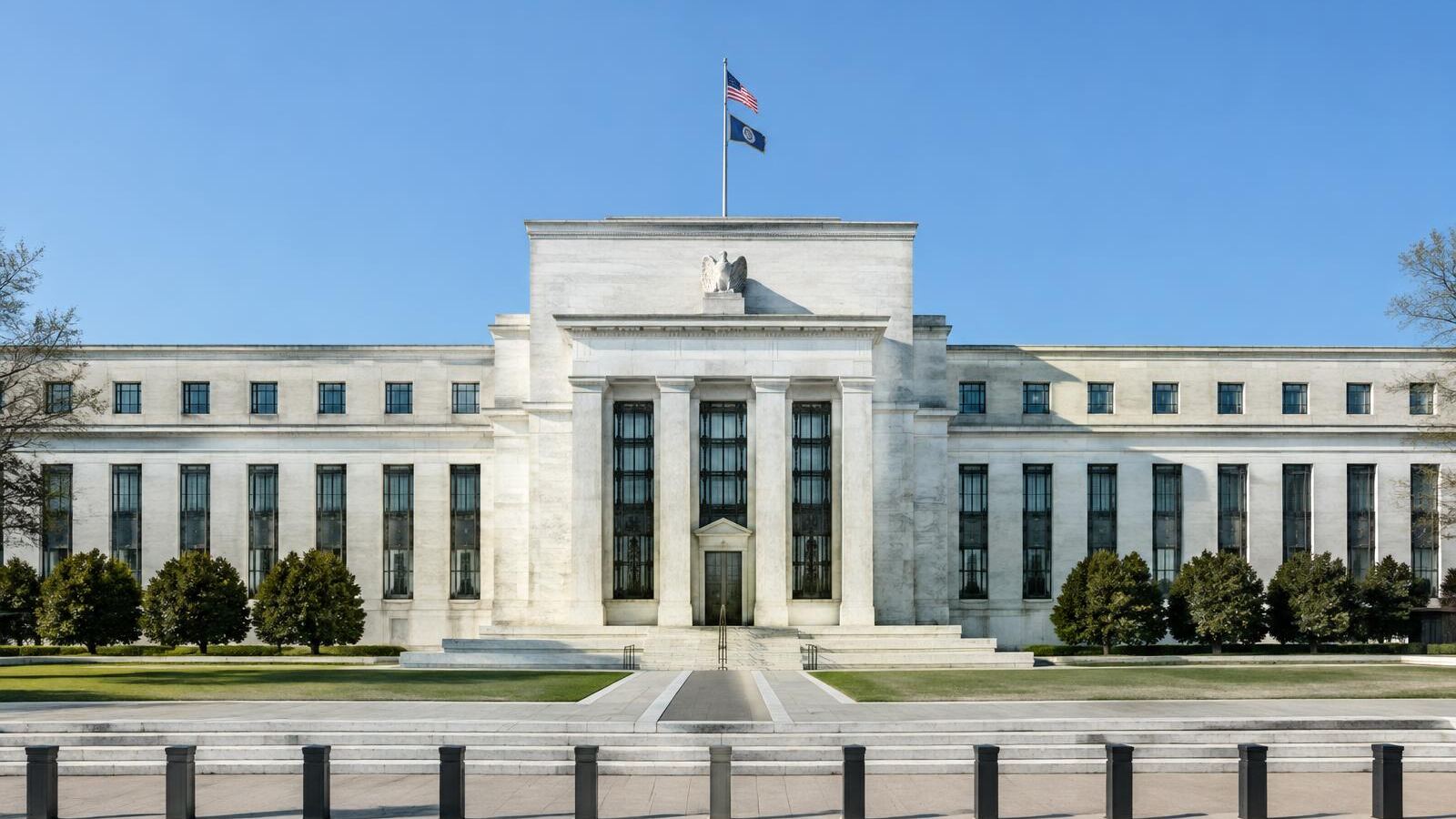
You’ll often hear news that the Fed raised or cut interest rates, followed by stories about what it means for mortgages, savings accounts and the stock market. The Federal Reserve is one of the most powerful economic institutions in the world, and its decisions affect your finances in many ways. Here’s how it works.
What the Fed is
The Federal Reserve System is the central bank of the United States. It was created by Congress in 1913 through the Federal Reserve Act, largely in response to a series of financial panics that had shaken the banking system.
The Fed has a unique structure designed to balance national and regional perspectives. It includes a Board of Governors in Washington, D.C., made up of seven members appointed by the president and confirmed by the Senate. Governors serve long, staggered terms. The chair and vice chair are chosen from among the governors.
The system also includes 12 regional Federal Reserve Banks located in major cities across the country, each serving a specific district. These banks gather information about local economic conditions, supervise banks in their regions and provide services to the banking system.
The Fed is designed to be independent within the government, meaning its monetary policy decisions don’t require approval from the president or Congress. This independence is intended to allow it to make decisions based on long-term economic health rather than short-term political pressures. It remains accountable to Congress and reports to it regularly.
The Fed’s goals
Congress has given the Fed two main monetary policy goals, often called its dual mandate: maximum employment and stable prices. The Fed has defined stable prices as inflation of 2% over the longer run, measured by the Personal Consumption Expenditures price index. The law also directs the Fed to promote moderate long-term interest rates.
Beyond monetary policy, the Fed supervises and regulates many banks to help keep the financial system safe, works to maintain financial stability and operates parts of the nation’s payment systems.
How the Fed sets interest rates
The Fed’s main tool is the federal funds rate, the interest rate banks charge each other for overnight loans. The Federal Open Market Committee, or FOMC, is responsible for setting a target range for this rate.
The FOMC includes the seven members of the Board of Governors, the president of the Federal Reserve Bank of New York and four of the other 11 regional bank presidents, who serve on a rotating basis. The committee meets eight times a year at regularly scheduled meetings and can hold additional meetings if needed.
The Fed uses tools such as the interest it pays banks on reserves they hold at the Fed to keep the federal funds rate within its target range. When the Fed raises its target, borrowing generally becomes more expensive throughout the economy. When it cuts the target, borrowing generally becomes cheaper.
The Fed has other tools as well. It can buy or sell government securities to influence longer-term interest rates and the overall supply of money and credit, and it can provide emergency lending to keep financial markets functioning during crises.
How the Fed affects your wallet
Credit cards are one of the most direct ways the Fed affects households. Most credit cards have variable rates tied to the prime rate, which moves with the federal funds rate. When the Fed raises rates, credit card rates typically rise within a billing cycle or two.
Savings accounts and CDs tend to pay more when the Fed raises rates and less when it cuts them, though banks adjust at different speeds. Online banks often respond more quickly than traditional banks.
Mortgages are influenced by the Fed, but less directly. Longer-term mortgage rates tend to follow Treasury yields, which reflect expectations about inflation, economic growth and future Fed policy. Mortgage rates can sometimes move before or even in the opposite direction of a Fed decision.
Jobs and the economy are affected too. Higher interest rates can slow hiring and business expansion as borrowing becomes more expensive, while lower rates can encourage businesses to invest and hire.
Investments react to Fed decisions and expectations. Rate changes can move stock and bond prices, since they affect borrowing costs for companies and the relative appeal of different investments.
Why the Fed raises or cuts rates
Raising rates can cool inflation by making borrowing more expensive, which slows spending and demand. Cutting rates can support the economy when growth slows or unemployment rises by making borrowing cheaper and encouraging spending and investment.
Balancing these goals is the Fed’s central challenge. Raise rates too much or too quickly, and the economy could tip into recession. Keep rates too low for too long, and inflation could rise. Policy also works with a lag, so the Fed must make decisions based on forecasts of where the economy is headed.
Following the Fed
The Fed publishes its meeting schedule, statements, meeting minutes and economic projections on federalreserve.gov. Rate decisions are announced in the afternoon on the final day of each scheduled meeting, usually followed by a press conference with the chair.
For your own finances, the most useful response to Fed news is usually practical: pay down variable-rate debt when rates are rising, shop around for competitive savings rates and compare loan offers carefully before borrowing.
Content on The Evergreen Edit is for educational and informational purposes only and is not individualized financial, investment, tax or legal advice. Learn more.
This article is for educational purposes only and isn't personalized financial, tax or legal advice. Consider talking with a qualified professional about your situation.

Kiara Miller — Founder & Editor
Kiara Miller is the founder and editor of The Evergreen Edit. He has been doing independent finance research for two decades and reviews every article before it's published.
More about Kiara →Get smarter about your money.
Join readers who get The Sunday Edit every week.