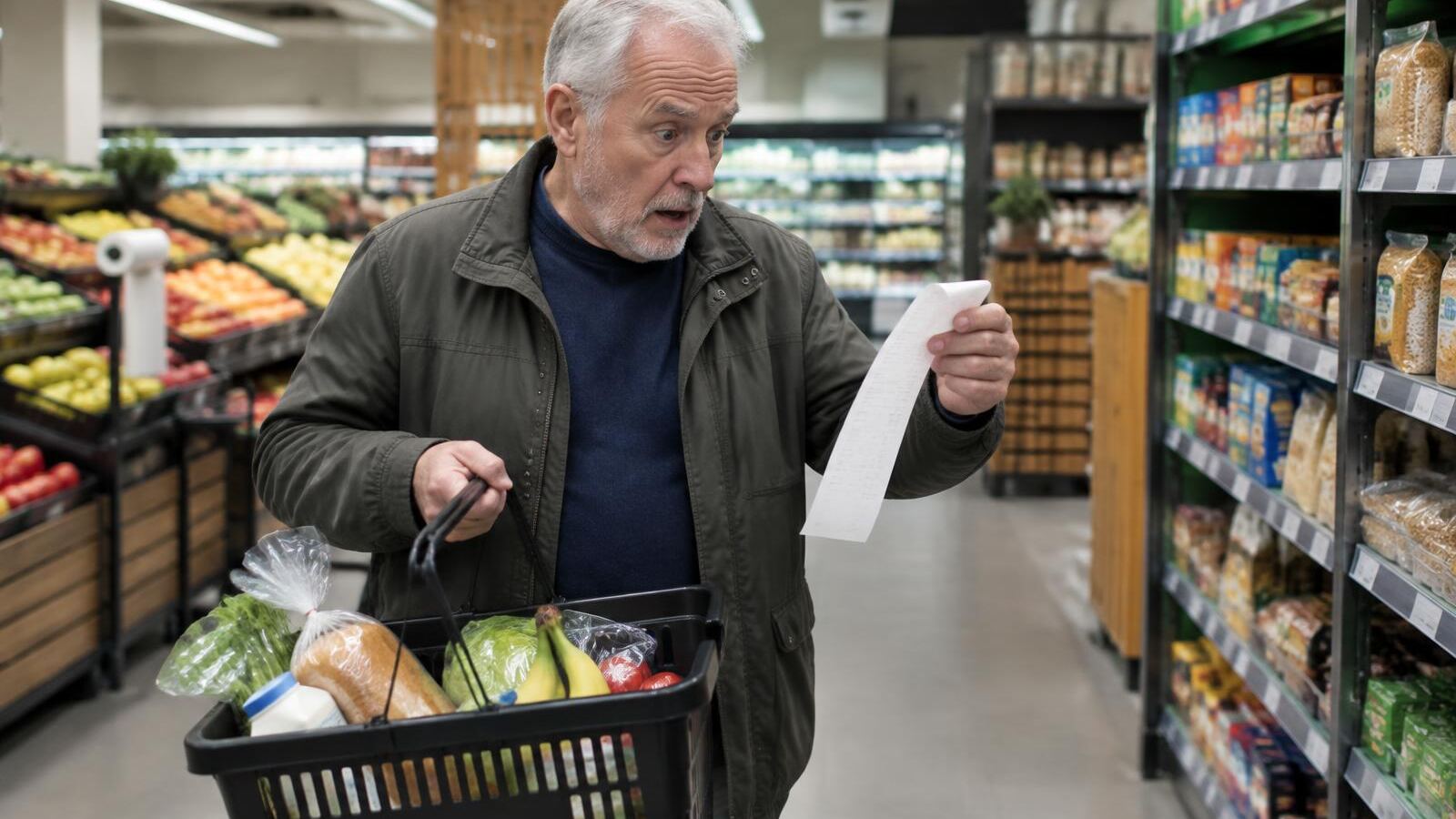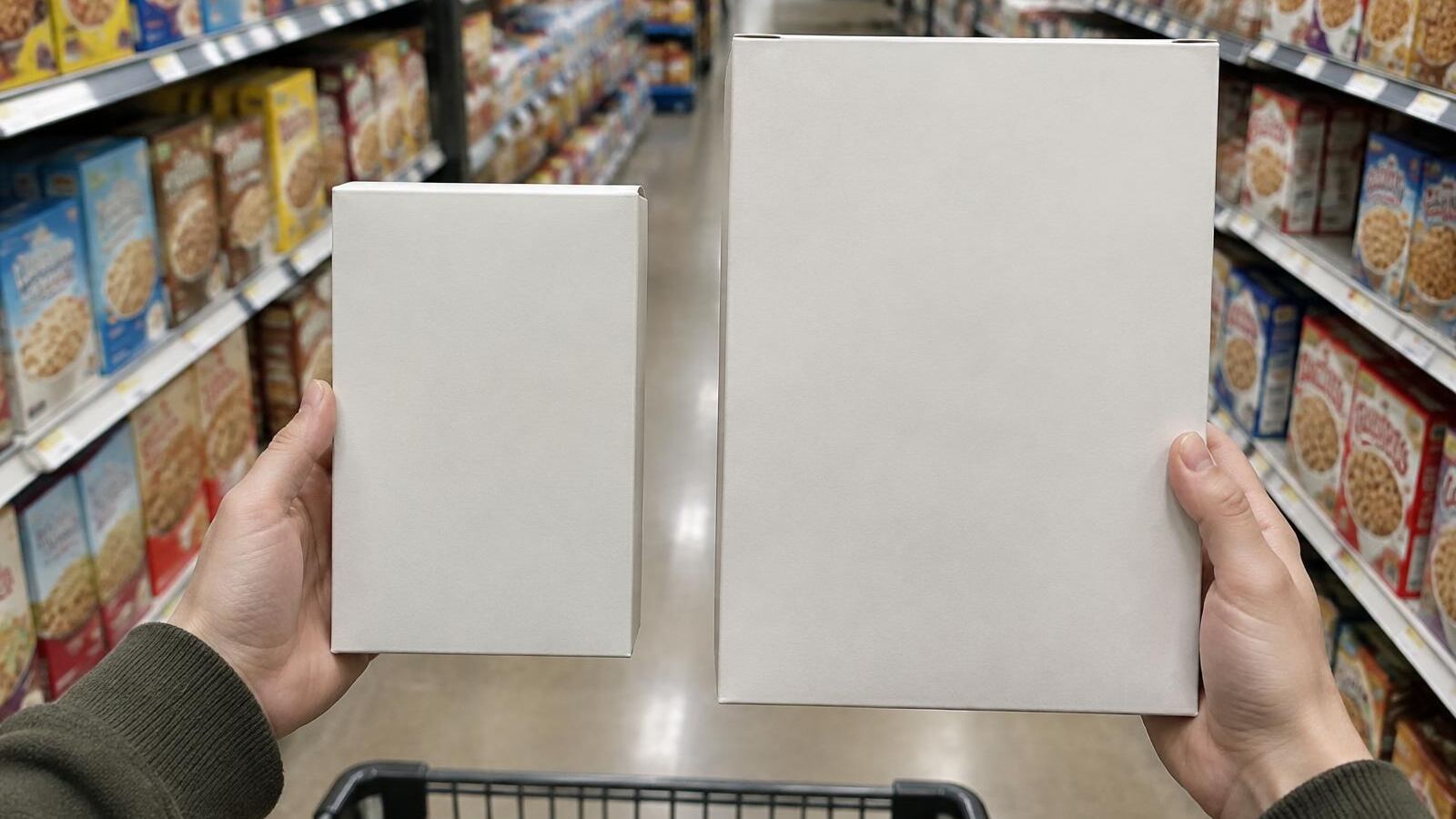
Have you noticed that your favorite cereal box looks the same but feels lighter? Or that a bag of chips seems to have more air than it used to? You may be seeing shrinkflation, a quiet form of price increase that can be easy to miss.
What shrinkflation is
Shrinkflation happens when a company reduces the size or quantity of a product while keeping the price the same, or even raising it. You pay the same amount at the register but get less for your money. In effect, it’s a price increase measured per ounce, per sheet or per piece.
The term combines shrink and inflation, and it tends to get more attention during periods when costs are rising across the economy.
Shrinkflation does show up in official inflation data. The Bureau of Labor Statistics accounts for package size changes when measuring prices for the Consumer Price Index, so a smaller package at the same price is treated as a price increase.
Why companies do it
When the costs of ingredients, packaging, labor and transportation rise, companies face a choice. They can raise prices, accept lower profits or find other ways to cut costs. Shrinking packages is one option.
Companies may prefer shrinkflation because shoppers often notice changes in sticker prices more than changes in package size. Many people remember that a product costs a certain amount but don’t memorize its exact weight or count. A small reduction in contents can go unnoticed for a long time.
Sometimes companies also introduce new packaging designs or reformulate products at the same time, which can make size changes even harder to spot.
Common examples
Shrinkflation can affect almost any packaged product, but it’s especially common in groceries and household goods. You might find fewer chips in a bag, smaller ounce sizes for coffee, cereal, yogurt or ice cream, fewer sheets on rolls of toilet paper or paper towels, smaller candy bars or fewer pieces in a package, and smaller bottles of shampoo, detergent or other personal care products.
A related practice, sometimes called skimpflation, happens when companies cut costs by reducing quality, such as using cheaper ingredients or materials, rather than reducing quantity.
How to spot shrinkflation
The most effective way to spot shrinkflation is to check the unit price, which many stores display on shelf tags next to the total price. Because it shows the cost per standard unit of measurement, it reveals when you’re paying more for less, even if the sticker price hasn’t changed.
Compare package weights and counts, not just the size of the box or bag. Packages can stay the same size on the outside while containing less inside, with more empty space.
Watch for new look or new and improved packaging. A redesign doesn’t always mean shrinkflation, but it sometimes coincides with smaller contents. When you notice new packaging on a product you buy regularly, check the net weight.
Keep an eye on products you buy frequently. You’re most likely to notice changes in items you know well, so paying attention to your regular purchases helps you catch shrinkflation early.
How to fight back
Compare unit prices across brands and sizes. A different brand or package size may offer a better value per unit, especially if your usual product has shrunk.
Try store brands, which are often cheaper per unit than name brands and may be comparable in quality. Many stores offer satisfaction guarantees on their own brands.
Buy larger sizes when they genuinely cost less per unit and you’ll use them before they expire. Be careful, though. Larger packages aren’t always cheaper per unit, so check the math.
Use apps, digital receipts or a simple notebook to track prices on items you buy often. Price tracking makes it easier to notice when a product is getting more expensive, whether through a higher price or a smaller package.
Consider buying in bulk from warehouse clubs or bulk bins for items you use heavily, if the unit price is lower and you have storage space.
Speak up
If you notice shrinkflation on a product you buy, you can contact the manufacturer to share your feedback. Companies pay attention to customer reactions. Some shoppers also share examples on social media, which has helped raise awareness of the practice.
The bigger picture
Shrinkflation is legal as long as packages accurately state their contents. Federal and state rules require net quantity labeling, so the information you need is on the package. By paying attention to unit prices and net weights, you can make sure you’re getting the best value for your money, whatever size the box happens to be.
Content on The Evergreen Edit is for educational and informational purposes only and is not individualized financial, investment, tax or legal advice. Learn more.
This article is for educational purposes only and isn't personalized financial, tax or legal advice. Consider talking with a qualified professional about your situation.

Kiara Miller — Founder & Editor
Kiara Miller is the founder and editor of The Evergreen Edit. He has been doing independent finance research for two decades and reviews every article before it's published.
More about Kiara →Get smarter about your money.
Join readers who get The Sunday Edit every week.