A new class action says tens of thousands of teachers, nurses and other public workers are paying on loans that should already be forgiven.
What is the new PSLF lawsuit about?
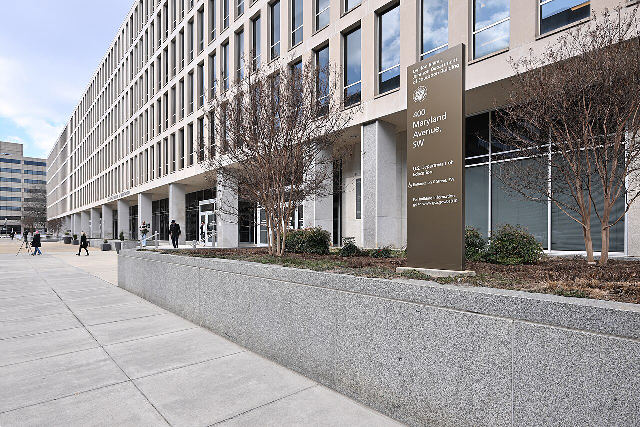
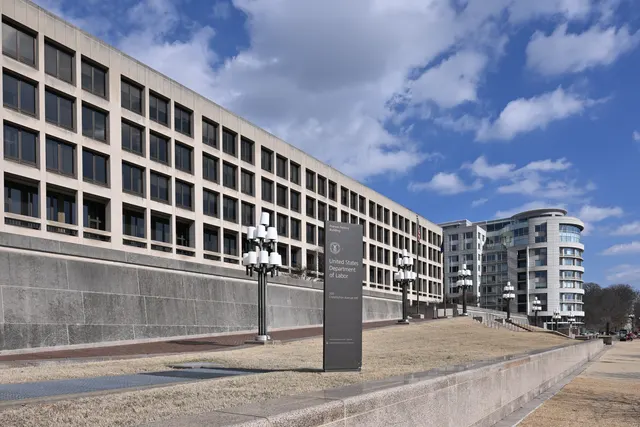
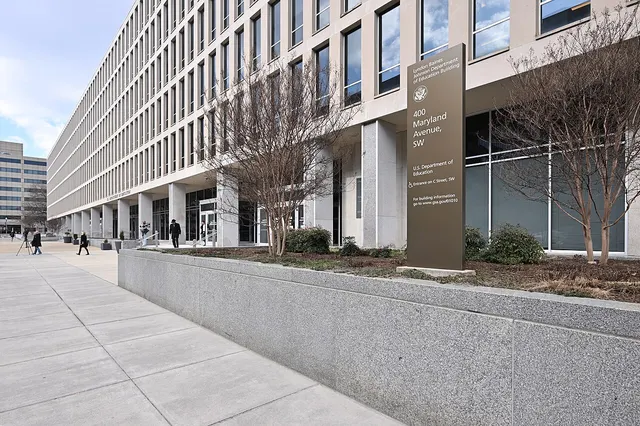
The American Federation of Teachers filed a class action on Friday, Oct. 30, accusing the Education Department of stalling nearly 90,000 Public Service Loan Forgiveness buyback requests, rolling back qualifying payments borrowers had already been credited with, and failing to count recent payments. The union wants a court to order the department to forgive eligible loans.
The case was filed in the U.S. District Court for the District of Columbia, according to the AFT's announcement. AFT President Randi Weingarten is the lead plaintiff, and the suit names Education Secretary Linda McMahon. Two borrowers joined as co-plaintiffs: Elizabeth Schoepflin, a speech-language pathologist from New York, and David Petley, a pharmacist at a rural hospital in Oregon. The union is represented by the advocacy group Protect Borrowers and the law firm Berger Montague.
"Secretary McMahon has flagrantly ignored her responsibility to help teachers, nurses and first responders," Weingarten said in the union's release. The Education Department did not respond to requests for comment from Spectrum News or Business Insider before their stories ran.
How PSLF and the buyback are supposed to work
Public Service Loan Forgiveness was signed into law in 2007. It cancels the remaining federal student loan balance for people who work in qualifying public service jobs, such as at a public school, a government agency or a nonprofit hospital, after 120 qualifying monthly payments.
The catch is that months spent in deferment or forbearance, when a servicer paused a borrower's payments, normally don't count toward those 120. The buyback option is meant to fix that. As the AFT describes it, borrowers can pay now the amount they would have owed during those paused months, have the months credited retroactively to their 120-payment total, and then have the rest of their debt discharged. According to the union, borrowers can only apply once they have already worked in public service for 10 years, so the people waiting have typically already put in a decade of public service.
What the lawsuit says went wrong
The complaint centers on three problems.
The first is the buyback backlog. The AFT says pending buyback applications grew from about 49,000 in April 2025 to nearly 90,000 by April 2026, and that the department has refused to give an updated timeline. Business Insider reported that the department's most recent status report in a separate AFT lawsuit put the pending figure at 88,000, and that the department has said some borrowers filed multiple requests, which inflates the count. Petley says he applied on May 1, 2025, the first day he was eligible, and has heard nothing since. "My monthly loan payments are now over 70% higher than the payments owed for the months that I'm seeking to buy back," Petley said.
The second is payments that disappeared. The union says that in August, some borrowers saw their PSLF payment counts drop, some by 15 months or more. The AFT says the department first dismissed the problem, then acknowledged that some credits granted under earlier waiver and account-adjustment programs were being rolled back on purpose. Business Insider reported that the department has blamed those clawbacks on coding errors from the previous administration.
The third is recent payments that aren't showing up. The suit says the department has withheld credit for recently made qualifying payments without explanation. At a news conference in Boston, Sen. Ed Markey, D-Mass., said many borrowers "can't even see their current payment count because it hasn't even been updated since July," according to Spectrum News.
The AFT says the department's actions violate the Administrative Procedure Act, and it is asking for a permanent court order requiring the department to forgive the loans of all borrowers who meet PSLF's requirements. The proposed class covers borrowers with pending buyback applications, borrowers whose credits were clawed back and borrowers whose recent payments aren't being counted.
What this means for your wallet
If you are working toward PSLF, the lawsuit doesn't change anything about your loans today. Court cases like this can take months or longer. In the meantime, the costs described in the complaint are real: borrowers waiting on a buyback generally keep making monthly payments, and every month of delay can mean another payment toward a balance that might otherwise have been forgiven.
A few low-cost steps can help you protect your own record while the case plays out:
- Save a copy of your payment count now. Log in to your federal student aid account, record the number of qualifying payments shown, and save a screenshot with the date. If your count changes later, you will have proof of what it was.
- Keep your own payment and employment records. Bank statements showing each payment and your signed employment certifications can help if you need to dispute a missing month.
- Write down your buyback request date. If you applied, keep any confirmation and note when you submitted it.
- Keep paying unless your servicer confirms otherwise. Missed payments can bring late marks on your credit.
If your monthly payment is straining your budget while you wait, our guide to strategies for paying off student loans walks through repayment options. And if you have fallen behind, our explainer on wage garnishment risks for borrowers in default covers how to get back on track before collections start.
The bigger picture
This is the AFT's third lawsuit against the current administration in less than two years, Weingarten said. The union previously sued former Education Secretary Betsy DeVos in 2019 over its handling of PSLF, a case it says led to more than 1 million public workers receiving $78 billion in forgiveness.
PSLF matters to a large group of people. Markey said the program has delivered $96 billion in relief to nearly 1.3 million public servants since it launched, according to Spectrum News. "They held up their part of the bargain. The federal government has not," Weingarten said at the Boston news conference.
The department had not publicly responded to the suit as of Friday afternoon.
Frequently asked questions
What is a PSLF buyback?
It lets a public service borrower pay now for months spent in deferment or forbearance so those months count toward the 120 payments PSLF requires. Once the months are credited, the remaining balance can be forgiven.
How many PSLF buyback requests are waiting?
The AFT says nearly 90,000 buyback applications were pending as of April 2026, up from about 49,000 a year earlier. A department status report in a separate case put the figure at 88,000.
Should I stop paying my student loans while the lawsuit is pending?
The lawsuit does not pause anyone's payments. Borrowers generally need to keep paying unless their servicer confirms otherwise, since missed payments can bring late fees and credit damage.
Content on The Evergreen Edit is for educational and informational purposes only and is not individualized financial, investment, tax or legal advice. Learn more.
Your savings goal
Months to your goal: 45
Estimate only. No interest, fees or changes in contributions assumed.
This article is for educational purposes only and isn't personalized financial, tax or legal advice. Consider talking with a qualified professional about your situation.

Kiara Miller — Founder & Editor
Kiara Miller is the founder and editor of The Evergreen Edit. He has been doing independent finance research for two decades and reviews every article before it's published.
More about Kiara →Get smarter about your money.
Join readers who get money stories on their chosen topics, daily or as new articles post.