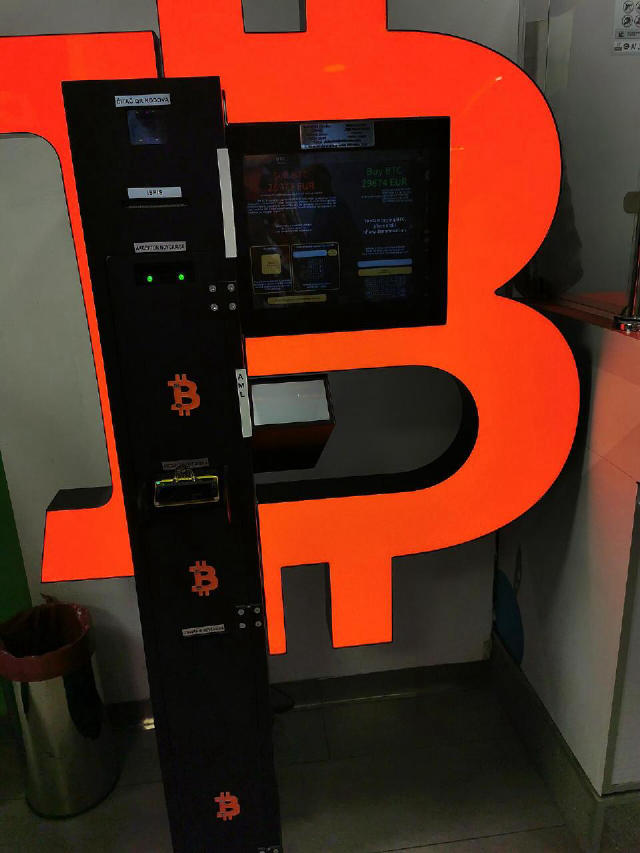

The election night slide reversed within hours, but the rally rests on forced buying and easing worries about oil. Lasting demand is the open question.
Why did bitcoin rebound above $80,000 on Nov. 4?
Bitcoin rebounded mainly because traders betting against it were forced to buy, while stocks rallied and oil sank. It fell to about $75,600 on election night, then rose above $80,000 on Wednesday, Nov. 4. Much of the fear had been priced in before the vote.
Bitcoin hit a seven-week low of $75,618 on Bitstamp late Tuesday, Cointelegraph reported. It first crossed $80,000 at 10:05 a.m. Eastern on Wednesday and peaked at $81,004, CryptoTicker reported, using CoinGecko data. It was near $80,200 in midafternoon, about 3% higher on the day, Bitcoin Magazine said. CryptoSlate described it as the first move above $80,000 since Binance's record hack. Ether rose 5.8% to about $2,415.
Bitcoin is still far below its peak. At about $80,159, it sat 36.4% under its record of $126,080 from Oct. 6, 2025, CryptoTicker noted.
What is a short squeeze, and how big was this one?
A short seller borrows an asset and sells it, hoping to buy it back cheaper. If the price rises instead, losses grow. When those traders use borrowed money, an exchange may close the position automatically, called a liquidation. Closing a short means buying, which can push the price higher and force out more shorts.
Wednesday had a clear case of it. CoinGlass data cited by CryptoSlate showed more than $450 million in crypto positions liquidated in a single hour, most of them shorts. Over 24 hours, about $950 million was liquidated, including about $560 million in shorts, Bitcoin Magazine reported.
Here is how leverage can turn a modest move into a total loss. Say a trader shorts $10,000 of bitcoin near the $76,000 low using $1,000 of their own money, which is 10-times leverage. A 7% rise, close to Wednesday's low-to-high swing, costs about $700, or 70% of that money. At 15-times leverage, with about $667 down, the same move wipes out the entire stake. Exchanges often close positions even sooner. This simple example leaves out fees. Our earlier story on a $771 million liquidation wave showed the same forces working in the other direction.
Options traders had also been active. About $660 million of bitcoin options blocks traded on election day, more than double the prior day, CoinDesk reported. "The result itself wasn't really a surprise," Nicolas Quatravaux of Paradigm said in that report, noting that Polymarket had a Democratic win above 75%.
Why was the sweep seen as bad for crypto legislation?
The bill at stake is the Clarity Act, which would set rules for how crypto markets are regulated. It passed the House in July 2025 but failed a key Senate procedural vote 49-50 in September, and it dies Jan. 3 unless revived.
Jaret Seiberg, TD Cowen's Washington analyst, called the outcome "negative for our sectors," Bitcoin Magazine reported. He wrote that investigations of Trump's crypto ventures "may make it impossible to advance a version of Clarity that the crypto sector could back." On Kalshi, a prediction market, traders put about a 6% chance on it becoming law before Jan. 1, 2027, Disruption Banking reported.
Regulators are a different matter. Seiberg said the election "will not impact the ability of regulators to push their de-regulatory agendas," and he expects the SEC and CFTC to stay active on crypto. That may help explain why bitcoin shrugged off the news, along with the rally in stocks. CoinShares' James Butterfill pointed to oil too. "We are seeing oil prices plummet, relieving some inflationary pressure and consequent rate hike expectations could moderate," he said, as quoted by CryptoTicker.
What this means for your wallet
The first lesson is that price and demand aren't the same thing. Forced buying can lift a market quickly, but it runs out once the shorts are gone. "Even if sellers have calmed down, demand is still needed, and Bitcoin is still short of it," CryptoQuant analyst Darkfost said, as quoted by CryptoSlate. U.S. spot bitcoin exchange-traded funds lost about $1.16 billion over the three sessions through Nov. 3, CryptoTicker reported, and Wednesday's flows weren't yet known.
The second is that leverage cuts both ways. A trader with high leverage can lose a whole stake on a move like Wednesday's, and the CFTC has asked the public how to regulate leveraged crypto trading for everyday investors. Someone who simply held $1,000 of bitcoin through the swing would have seen it move by about $70 from low to high, not disappear.
History gives another reason for care. CryptoSlate, citing CryptoQuant, said bitcoin fell 49.7% after the 2018 midterms, 39.8% after 2014 and 18.5% after 2022. That is a small sample, but it is a reminder that a one-day bounce settles little.
What should investors watch next?
Traders are focused on whether bitcoin can hold about $80,000. Lacie Zhang of Bitget Wallet said in CoinDesk's report that the trend remains stuck below resistance around $80,000 to $82,000. Resistance is a level where sellers have tended to step in. On the downside, Glassnode's short-term holder cost basis sits near $75,700, Bitcoin Magazine reported, which is close to Tuesday's low.
The wider calendar matters too. Friday brings the October jobs report, Nov. 10 brings inflation data and the Fed decides on Dec. 9. Higher rates can hurt assets like bitcoin that pay no income, and CME FedWatch odds pointed to about 81% for a hike, Schwab reported.
Frequently asked questions
Why did bitcoin go up after the midterm elections?
The election uncertainty ended, stocks rallied and oil fell. A wave of forced buying from short sellers then pushed bitcoin above $80,000.
What is the Clarity Act?
It is a bill that would set rules for U.S. crypto markets. It passed the House in July 2025, failed a 49-50 Senate procedural vote in September and dies Jan. 3 unless revived.
What does liquidation mean in crypto?
A liquidation happens when an exchange automatically closes a leveraged trade because the trader's losses have used up most of their margin, the money set aside to back it.
How far is bitcoin from its all-time high?
At about $80,159 on Nov. 4, bitcoin was 36.4% below its record of $126,080 set on Oct. 6, 2025.
Content on The Evergreen Edit is for educational and informational purposes only and is not individualized financial, investment, tax or legal advice. Learn more.
Compound growth estimate
Estimated total
$17,175
Your contributions
$13,000
This is an estimate, not a prediction. Monthly compounding; taxes, fees and inflation are excluded.
This article is for educational purposes only and isn't personalized financial, tax or legal advice. Consider talking with a qualified professional about your situation.

Kiara Miller — Founder & Editor
Kiara Miller is the founder and editor of The Evergreen Edit. He has been doing independent finance research for two decades and reviews every article before it's published.
More about Kiara →Get smarter about your money.
Join readers who get money stories on their chosen topics, daily or as new articles post.