Two of the biggest names in American freight are joining forces. On Oct. 5, 2026, C.H. Robinson Worldwide (Nasdaq: CHRW) announced a deal to acquire RXO Inc. (NYSE: RXO) in a stock-and-cash transaction valued at $5.8 billion, according to the company's press release.
The combined company will have an enterprise value of more than $25 billion.
What these companies do
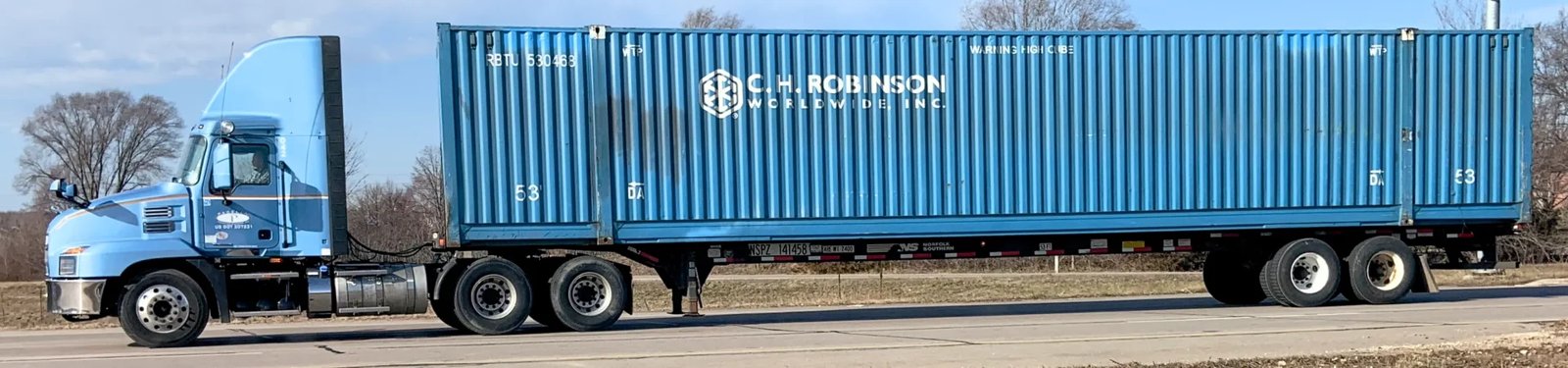
Both companies are freight brokers. They don't usually own most of the trucks. Instead, they match businesses that need to ship goods with trucking companies that have space, and earn a fee in the middle.
- C.H. Robinson is one of the largest freight brokers in the world and also runs a global forwarding business that moves goods by ocean and air.
- RXO is strong in truck brokerage, managed transportation, expedited shipping and last-mile delivery.
The case for the deal
C.H. Robinson expects the merger to produce $300 million in yearly cost savings within two years. It plans to apply what it calls its "Lean AI" operating model, using automation and artificial intelligence to handle more freight with fewer manual steps.
The company says the deal should immediately and significantly increase its adjusted earnings per share and help it reduce debt.
A bright spot in a slow deal market
The merger stands out because big deals have been harder to find. Reuters reported that dealmaking slowed across Wall Street as rising Treasury yields made financing more expensive. Large combinations like this one suggest companies in logistics and industrial businesses still see value in getting bigger.
What it means for investors
Mergers like this usually come with a few things to watch:
- Whether the deal wins regulatory approval and closes on schedule.
- How quickly the promised cost savings show up.
- Whether customers and key staff stay through the integration.
If you own a broad index fund, you likely own small stakes in both companies already. Individual shareholders of RXO will receive a mix of cash and C.H. Robinson stock, so their investment becomes tied to the combined company.
What it means for everyday costs
Trucking moves most of the goods Americans buy. More efficient freight networks can help keep shipping costs in check, though prices also depend heavily on fuel, which has been expensive in 2026.
A brief history of freight brokerage
Freight brokerage grew into a major U.S. industry after trucking was deregulated in 1980, which opened the door for middlemen to match shippers with carriers instead of relying on a handful of large trucking companies. C.H. Robinson, founded in 1905 as a produce brokerage in Minnesota, grew into one of the industry's largest players over the following century. RXO is much younger: it was spun off from XPO Logistics in 2022 to focus specifically on brokerage and last-mile delivery.
The freight industry has been working through what's often called a freight recession since 2022, with more trucking capacity than shipping demand, which has squeezed broker margins. Consolidation is one common response, since combining two brokers' networks can spread fixed technology and overhead costs across a larger base of freight, part of the logic behind the projected $300 million in annual savings.
Antitrust regulators typically spend months reviewing large mergers, checking whether a deal would reduce competition enough to harm customers. Freight brokerage remains a fragmented industry with many competitors, which may ease the path to approval, though the timeline for any merger review can shift as regulators request more information.
The bottom line
C.H. Robinson's $5.8 billion deal for RXO creates a freight broker with more than $25 billion in enterprise value and a plan to use AI to cut costs. For investors, the key will be whether the savings arrive as promised.
Sources: https://www.chrobinson.com/en-us/about-us/newsroom/press-releases/2026/ch-robinson-to-acquire-rxo/, https://www.investing.com/news/economy-news/wall-st-banks-caught-in-capital-markets-lull-after-a-strong-first-half-of-2026-4951018
Content on The Evergreen Edit is for educational and informational purposes only and is not individualized financial, investment, tax or legal advice. Learn more.
This article is for educational purposes only and isn't personalized financial, tax or legal advice. Consider talking with a qualified professional about your situation.

Kiara Miller — Founder & Editor
Kiara Miller is the founder and editor of The Evergreen Edit. He has been doing independent finance research for two decades and reviews every article before it's published.
More about Kiara →Get smarter about your money.
Join readers who get The Sunday Edit every week.