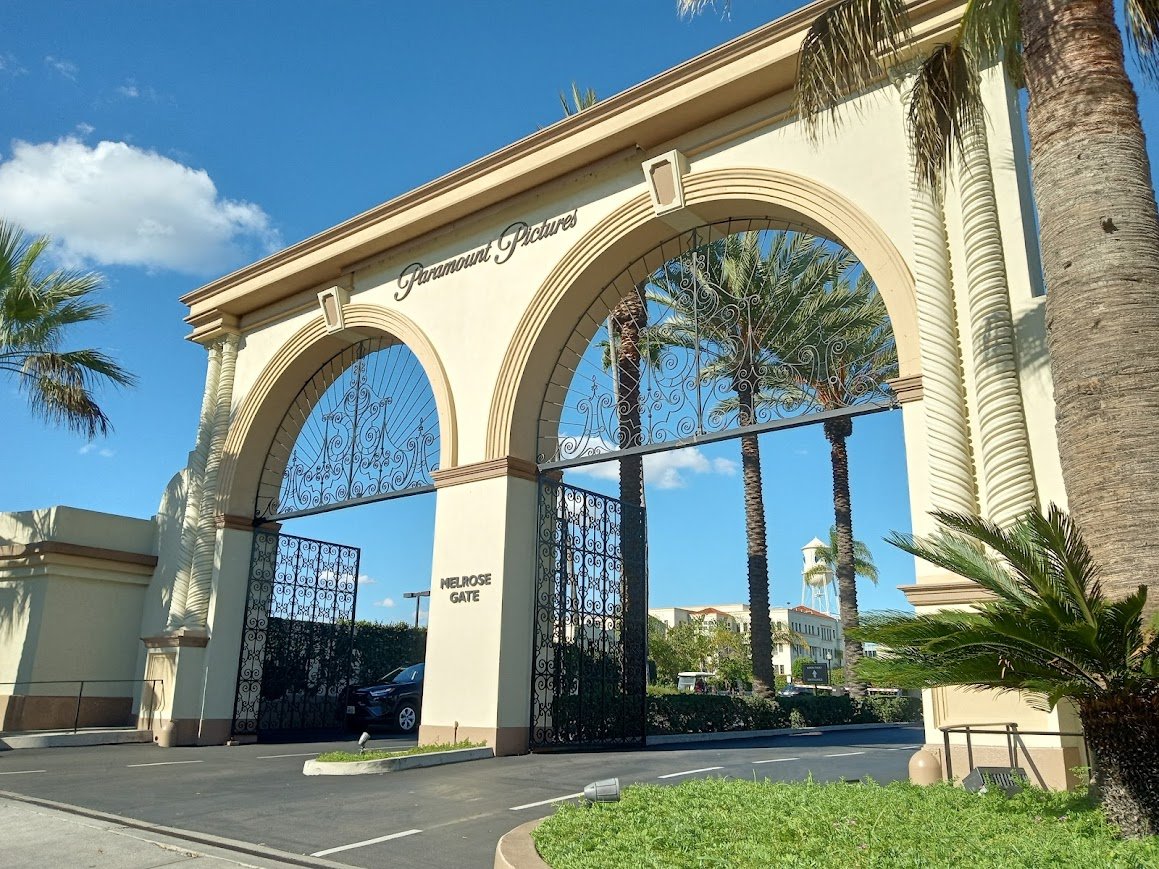
One of the biggest media deals in years is now complete. On Oct. 6, 2026, Paramount Skydance finished its acquisition of Warner Bros. Discovery, closing a deal The Washington Post valued at $110 billion. The Associated Press put the value of the studio and streaming portion at roughly $81 billion.
The deal closed after more than a year of competing bids, an antitrust lawsuit from state attorneys general, and a settlement.
Meet Skydance
The combined company has been renamed Skydance and trades on the New York Stock Exchange under the ticker SKYD. It's led by CEO David Ellison, son of Oracle co-founder Larry Ellison, with Ynon Kreiz as co-CEO, according to the AP.
Its lineup includes:
- The Paramount and Warner Bros. film studios.
- The HBO and Paramount+ streaming services.
- CBS and CBS News.
- CNN.
The company says it is targeting at least $6 billion in yearly cost savings, which it calls "synergies," within three years. It has also committed to releasing more than 30 theatrical films and over 180 TV series each year.
Netflix's role
Netflix had once been in the running. It made an $82.7 billion all-cash bid for Warner Bros. Discovery but walked away in February 2026 after Paramount's offer proved superior. Netflix shares jumped more than 10% when it dropped out, a sign investors were relieved it wouldn't take on the cost of the deal.
How a deal like this gets approved
Big media mergers don't close overnight. Regulators, including state attorneys general and federal antitrust officials, review whether combining two large companies would reduce competition or harm consumers, such as by raising cable or streaming prices. That review process is why this deal took more than a year and included a lawsuit before a settlement cleared the way for it to close.
Mergers of this size also typically require approval from shareholders of both companies and, because broadcast licenses are involved, sign-off from the Federal Communications Commission. Each step adds time and gives outside parties a chance to raise objections, which is part of why so much can change between when a deal is announced and when it actually closes.
A long run of media consolidation
This deal fits a pattern that has played out across entertainment for decades. Studios, cable networks and streaming services have merged repeatedly since the 1990s as companies tried to control more of the pipeline from making shows to delivering them to viewers, from Disney's acquisitions of Pixar, Marvel and 21st Century Fox to the original merger that created Warner Bros. Discovery itself in 2022.
The logic behind these deals is usually the same: owning more content and more ways to distribute it is supposed to give a company leverage with advertisers, cable providers and, now, streaming subscribers. Whether that logic pays off varies widely. Some mergers streamline operations and create stronger competitors; others saddle the combined company with debt and culture clashes that take years to sort out.
What it means for investors
Large mergers can create value, but they're also hard to pull off. The new company has to combine two big organizations, keep talent, manage debt and convince viewers to keep paying for its streaming services.
Questions investors often watch after a deal like this:
- Does the company hit its cost-savings targets on schedule?
- How much debt is it carrying, and how quickly is it paying it down?
- Are streaming subscribers growing, and are prices rising?
What it means for viewers
For now, your subscriptions and shows stay the same. Over time, mergers like this often lead to bundled services, price changes or shows moving between platforms. If you pay for both HBO Max and Paramount+, it's worth watching for bundle offers that could lower your total streaming bill.
The bottom line
Skydance now owns some of the most valuable names in entertainment, from HBO to CNN. Whether the merger pays off depends on cutting costs without losing viewers. For investors, it's a story to watch rather than rush into. For viewers, keep an eye on bundle deals and price changes.
Sources: https://www.washingtonpost.com/business/2026/10/06/paramount-closes-110b-deal-with-warner-bros-discovery-after-months-wrangling/, https://apnews.com/article/paramount-warner-skydance-trump-ellison-cnn-hbo-39f5124c5a009abd020d0f84404d44a2
Content on The Evergreen Edit is for educational and informational purposes only and is not individualized financial, investment, tax or legal advice. Learn more.
This article is for educational purposes only and isn't personalized financial, tax or legal advice. Consider talking with a qualified professional about your situation.

Kiara Miller — Founder & Editor
Kiara Miller is the founder and editor of The Evergreen Edit. He has been doing independent finance research for two decades and reviews every article before it's published.
More about Kiara →Get smarter about your money.
Join readers who get The Sunday Edit every week.