Wall Street's big election rally left out the companies building the AI boom, and the reason runs straight through Texas.
Why did data center stocks fall on Nov. 4?
Data center stocks fell because Democrat Gina Hinojosa won the Texas governor's race after promising a moratorium on data center approvals, and Texas sits at the center of the AI buildout. Hut 8 dropped about 23% on Wednesday, Nov. 4, even as the Dow gained 1,569.40 points.
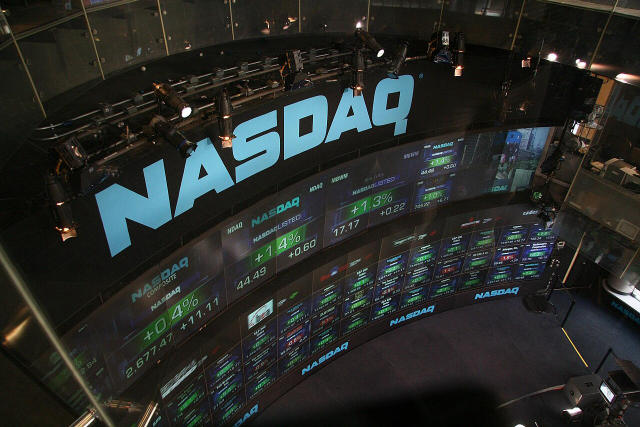
The split was striking. The Dow closed at 53,356.12, the S&P 500 rose 1.6% to 7,688.62 and the Nasdaq Composite added 1.4% to 25,736.51, Reuters reported. We covered that big Dow rally on Wednesday. But the Philadelphia Semiconductor index, a basket of chip stocks, fell 3.1% to a six-month low.
Reuters listed the damage: Hut 8 down 23%, IREN off 11%, Core Scientific down 10% and Applied Digital lower by 6.7%. A study by Equibles Research put Cipher down about 20%, Galaxy down 17% and CoreWeave down 9.9%.
The biggest tech companies went the other way. Microsoft rose 6.7% and Amazon added 6.1%. Reuters said the move reflected expectations that a slower buildout could ease cash demands on tech companies while hurting the operators and suppliers that depend on rapid expansion. In plain terms, the spenders got relief and the companies collecting that spending got hit.
What did Hinojosa promise, and what can she do?
"When I am governor I will issue a moratorium — a ban — on all data center approvals until laws can be passed by the Legislature to protect Texans," Hinojosa said in an Oct. 22 video, the Texas Tribune reported. She takes office Jan. 19. Her campaign priorities for lawmakers included requiring union workers, protecting water supplies and stopping companies from using nondisclosure agreements.
So far, this is a promise rather than a policy. Equibles noted that she "has issued nothing yet" and that her goals on tax breaks need the Legislature. The reporting we reviewed did not settle how far a governor can go alone.
Texas also isn't starting from zero. Gov. Greg Abbott began pausing approvals in August at the state grid and then at the environmental permitting agency, so projects could be audited. The Tribune said that audit was expected to last until December. Hinojosa said Abbott's new proposals amounted to an "election year pause," Yahoo Finance reported.
Why does one state matter so much to AI stocks?
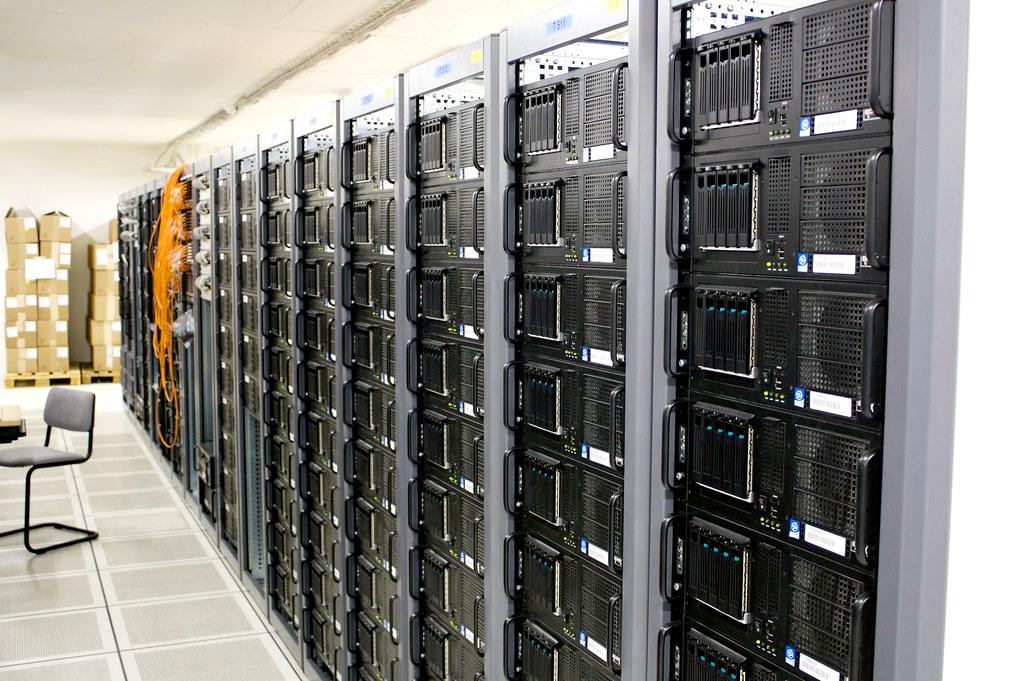
Texas holds about 27% of U.S. data center power capacity, according to a Wells Fargo estimate cited by StockTitan. Yahoo Finance said the state accounts for more than 25% of planned U.S. capacity by 2030.
Wall Street saw this coming. Raymond James analyst Ed Mills wrote before the election, "We view the Texas gubernatorial race as particularly important for the next leg of the AI trade." "It's pretty clear that the AI trade will face some headwinds there," Citi Research's Scott Chronert said after the results, in the Reuters report.
The worry also goes beyond Texas. Yahoo Finance cited a tracker counting 28 ballot measures to limit data centers, with virtually every one on track to pass, and said voters in at least 14 Ohio municipalities approved bans or other restrictions.
Was every data center company hit the same way?
No, and the details matter. Equibles read what nine listed companies have told investors about their Texas plans. Of the roughly 18.3 gigawatts of capacity held by eight of them, about 20% was approved or outside a key state grid review, about 53% was conditional or in process, and about 27% had no stated status or still needed approval.
Riot Platforms shows the difference. Its stock rose 9.6% after it announced a 15-year lease at its Corsicana site worth about $28 billion. Riot's filing says existing capacity at Rockdale and Corsicana was already powered up and isn't subject to the audit. Hut 8 is more exposed on one project. "For Beacon Point Phase 1, our baseload designation remains subject to Governor Abbott's audit," CEO Asher Genoot said, according to Equibles.
Wednesday's drop also followed a huge run-up. On Nov. 3, before the results, these nine stocks rose between 11.1% and 18.4%. Over the two days combined, Hut 8 was down 11%, while Core Scientific was up 2%. Equibles also cited a Jefferies view that tighter rules would "raise development costs more than they restrict the pipeline."
What this means for your wallet
Many savers don't own Hut 8 directly. Their 401(k) index funds own hundreds of companies, so gains in one group can offset losses in another. The SPDR S&P 500 ETF rose 1.65% on Wednesday, StockTitan reported, while the tech-heavy Invesco QQQ gained 0.97%.
The picture is very different for anyone concentrated in a single theme. Here's a simple example with no fees or taxes. Say a stock worth $1,000 falls 23.2%. It's now worth $768, and it needs to gain about 30% just to get back to $1,000. That math explains why big one-day drops in narrow bets can sting for a long time.
This also landed during a rough stretch for tech. Reuters said the Nasdaq-100 confirmed on Monday that it was in a technical correction. Our guide to what a stock market correction is explains how often those happen.
What should investors watch next?
Demand itself hasn't disappeared. AMD rose 1% after forecasting faster-than-expected 2027 growth, Reuters said, and we looked at AMD's data center results this week.
The next dates are close. Cipher's filing points to Dec. 10 for grid operator reports, and Hut 8 expects an unconditional grid classification on Dec. 17, Equibles said. After that come Hinojosa's Jan. 19 start and the Texas legislative session. Investors will be looking for whether her promise becomes an order, how long it lasts and which projects it covers.
Frequently asked questions
Why did Hut 8 stock fall on Nov. 4, 2026?
Hut 8 fell about 23% as investors worried about tighter Texas data center rules after Gina Hinojosa won the governor's race. The drop followed a sharp gain on Nov. 3.
Has Texas banned new data centers?
No. Hinojosa promised a moratorium on approvals, but she doesn't take office until Jan. 19 and had issued nothing as of Nov. 5. Gov. Greg Abbott's separate audit pause was expected to run until December.
Why did Microsoft and Amazon rise while data center stocks fell?
Reuters said a slower AI buildout could ease cash demands on tech companies, while hurting operators and suppliers that depend on rapid expansion.
How much of U.S. data center capacity is in Texas?
Wells Fargo estimates Texas holds about 27% of U.S. data center power capacity, as cited by StockTitan.
Content on The Evergreen Edit is for educational and informational purposes only and is not individualized financial, investment, tax or legal advice. Learn more.
Compound growth estimate
Estimated total
$17,175
Your contributions
$13,000
This is an estimate, not a prediction. Monthly compounding; taxes, fees and inflation are excluded.
This article is for educational purposes only and isn't personalized financial, tax or legal advice. Consider talking with a qualified professional about your situation.

Kiara Miller — Founder & Editor
Kiara Miller is the founder and editor of The Evergreen Edit. He has been doing independent finance research for two decades and reviews every article before it's published.
More about Kiara →Get smarter about your money.
Join readers who get money stories on their chosen topics, daily or as new articles post.