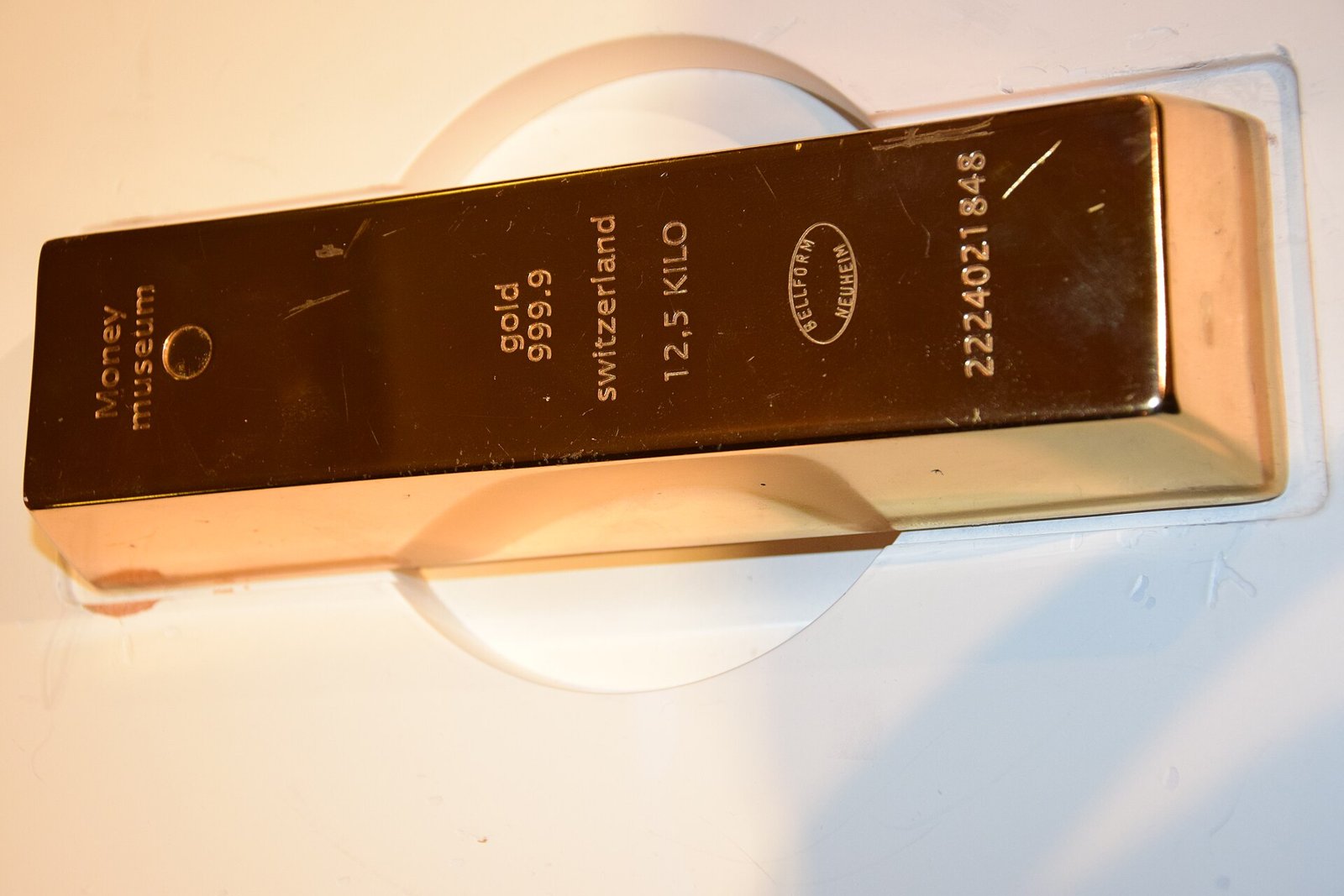
Precious metals have had a bumpy October. Gold and silver have been pulled in different directions by high bond yields, hot inflation data and a sell-off in tech stocks.
A wild few days
On Oct. 11, 2026, the 10-year Treasury yield touched roughly 5.3%, its highest level in more than two decades. That same day, gold rose about 1.5% to $4,193.60 an ounce and silver gained 2.77% to $60.70, according to an analysis by Discovery Alert.
After hot consumer and producer inflation reports on Oct. 14 and 15, metals first fell, then bounced back. Kitco reported spot gold near $4,147.50 to $4,170 an ounce on Oct. 15, up roughly 1%, with silver near $56 to $56.60.
Gold is still well below its 2026 high of $5,586.20 an ounce, reached earlier in the year.
Why gold moves the way it does
Gold doesn't pay interest or dividends. That gives it a tricky relationship with interest rates:
- When bond yields rise, bonds look more attractive than gold, which can pressure gold prices.
- When investors get nervous about stocks, they often buy gold as a "safe haven."
- When the U.S. dollar weakens, gold often gets a lift, since it's priced in dollars.
In mid-October, all three forces were at work. Treasury yields fell back toward 5.08%, a three-week low, the dollar weakened, and the tech sell-off sent some investors looking for safety.
A metal with a long history as money
Gold has been used as a store of value for thousands of years, and central banks around the world still hold large gold reserves today. That history is part of why investors keep returning to it during periods of uncertainty: unlike a company's stock or a government's bond, gold doesn't depend on anyone else's promise to pay. Silver shares some of that safe-haven appeal, but it also has significant industrial uses, in electronics, solar panels and other manufacturing, so its price can be more volatile and more tied to the broader economy than gold's.
Treasury yields matter to both metals because they represent the "risk-free" return an investor can earn simply by lending money to the U.S. government. When that yield is high, as it was when the 10-year touched roughly 5.3% in October 2026, holding an asset that pays no interest becomes relatively less attractive, all else being equal. When yields fall, that opportunity cost shrinks, which is one reason gold and silver rebounded as Treasury yields eased back toward 5.08%.
Should you own gold?
Some investors hold a small amount of gold as a diversifier, since it doesn't always move with stocks and bonds. Others avoid it because it produces no income and can be very volatile. Gold's drop from its 2026 peak to around $4,150 shows how much it can swing in a matter of months.
If you're considering it, common approaches include:
- Gold exchange-traded funds that track the metal's price.
- Shares of mining companies, which tend to swing even more than gold itself.
- Physical coins or bars, which come with dealer markups and storage costs.
Many financial planners suggest keeping any gold to a small slice of a portfolio rather than a core holding.
The bottom line
Gold and silver are swinging with every move in bond yields, inflation data and stock-market nerves. Gold remains far below its 2026 high despite record fund inflows. If you own precious metals, keep the position small enough that big price swings won't throw off your overall plan.
Sources: https://discoveryalert.com/analysis/gold-silver-prices-treasury-yields-october-2026/, https://www.kitco.com/news/article/2026-10-15/gold-silver-rebound-treasury-yields-tumble-despite-hot-ppi-kitco-am-report
Content on The Evergreen Edit is for educational and informational purposes only and is not individualized financial, investment, tax or legal advice. Learn more.
This article is for educational purposes only and isn't personalized financial, tax or legal advice. Consider talking with a qualified professional about your situation.

Kiara Miller — Founder & Editor
Kiara Miller is the founder and editor of The Evergreen Edit. He has been doing independent finance research for two decades and reviews every article before it's published.
More about Kiara →Get smarter about your money.
Join readers who get The Sunday Edit every week.