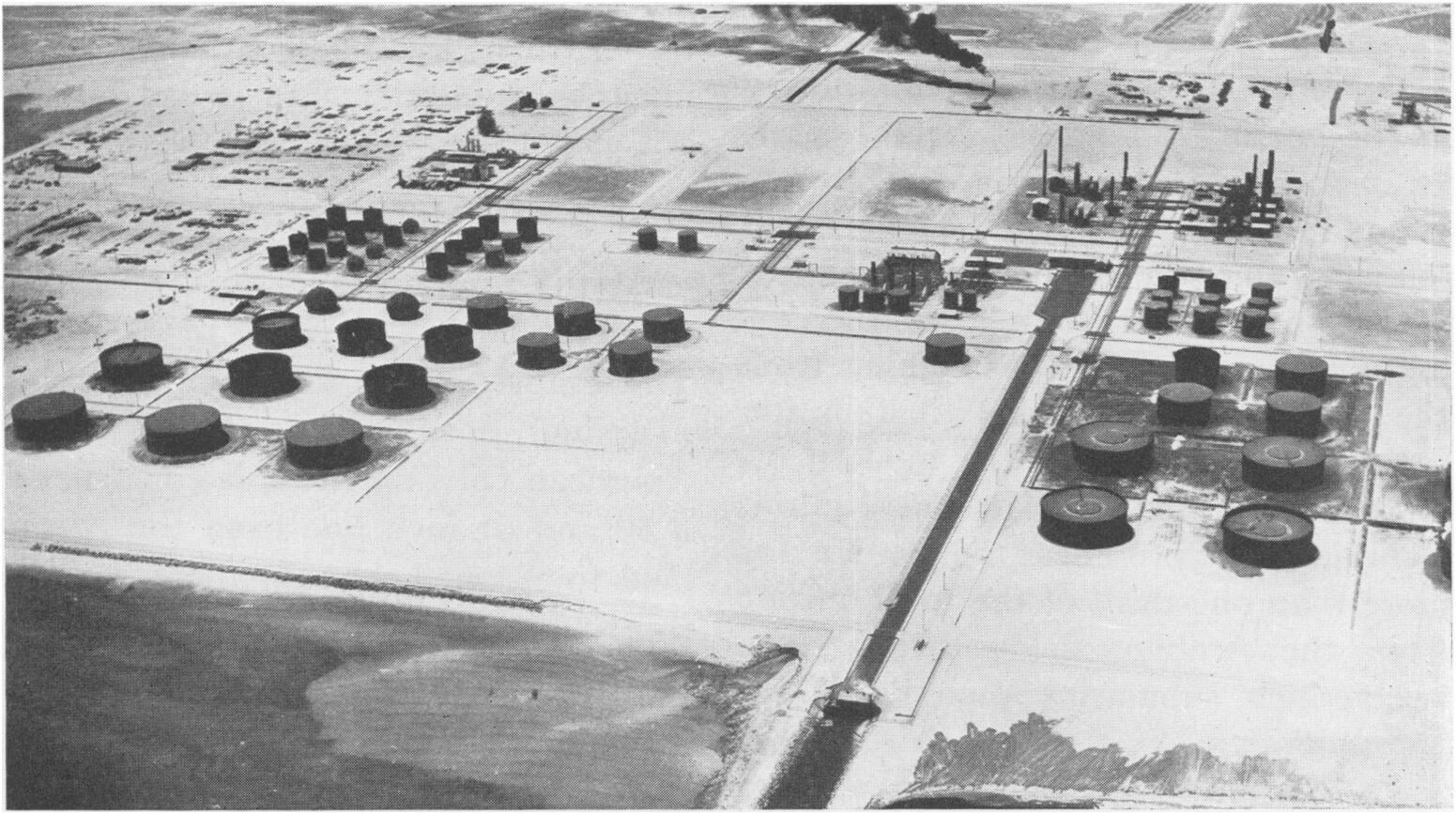
The world's major oil-consuming countries are opening their emergency reserves faster, and diesel is the priority.
At a meeting in Paris on Oct. 15, members of the International Energy Agency agreed to release the remaining 100 million barrels from the emergency plan they launched in March, Transport Topics reported, citing Bloomberg News. The IEA said more than 20 million barrels of diesel should be released "as soon as possible."
What did the IEA agree to?
IEA members agreed to finish releasing the last 100 million barrels of oil and fuel from their March emergency stockpile plan, including more than 20 million barrels of diesel. Members have already released 330 million barrels, and the IEA says total releases will now exceed the 400 million barrels first pledged, because some countries released more than promised.
The release comes as the war with Iran, now in its eighth month, continues to disrupt energy supplies, The National reported. The IEA also urged members that produce and refine oil to boost supply, especially diesel. Group of Seven leaders had pledged earlier in October to speed up releases, and the U.S. has pushed informally for even more to ease diesel prices, according to Bloomberg.
How oil prices reacted
Prices barely budged at first. Brent crude, the global benchmark, traded near $106.20 a barrel after the announcement, and U.S. crude (West Texas Intermediate) was around $98.21, according to The National. On Oct. 16, WTI slipped about 0.5% to roughly $97.50 and Brent hovered near $105.90, with the IEA plan among the factors weighing on prices, TheStreet reported.
In other words, the release may help keep prices from climbing further, but it hasn't brought them down much. An emergency release adds supply for a limited time; it doesn't fix the underlying disruption.
Why diesel matters even if you don't drive a diesel
Diesel powers most of the trucks, trains and ships that move groceries, packages and building materials. When diesel gets expensive, those costs tend to show up in what you pay at the store. That's one reason energy prices have fed into the broader rise in inflation, which hit 3.7% in September, as we explained in our September inflation breakdown.
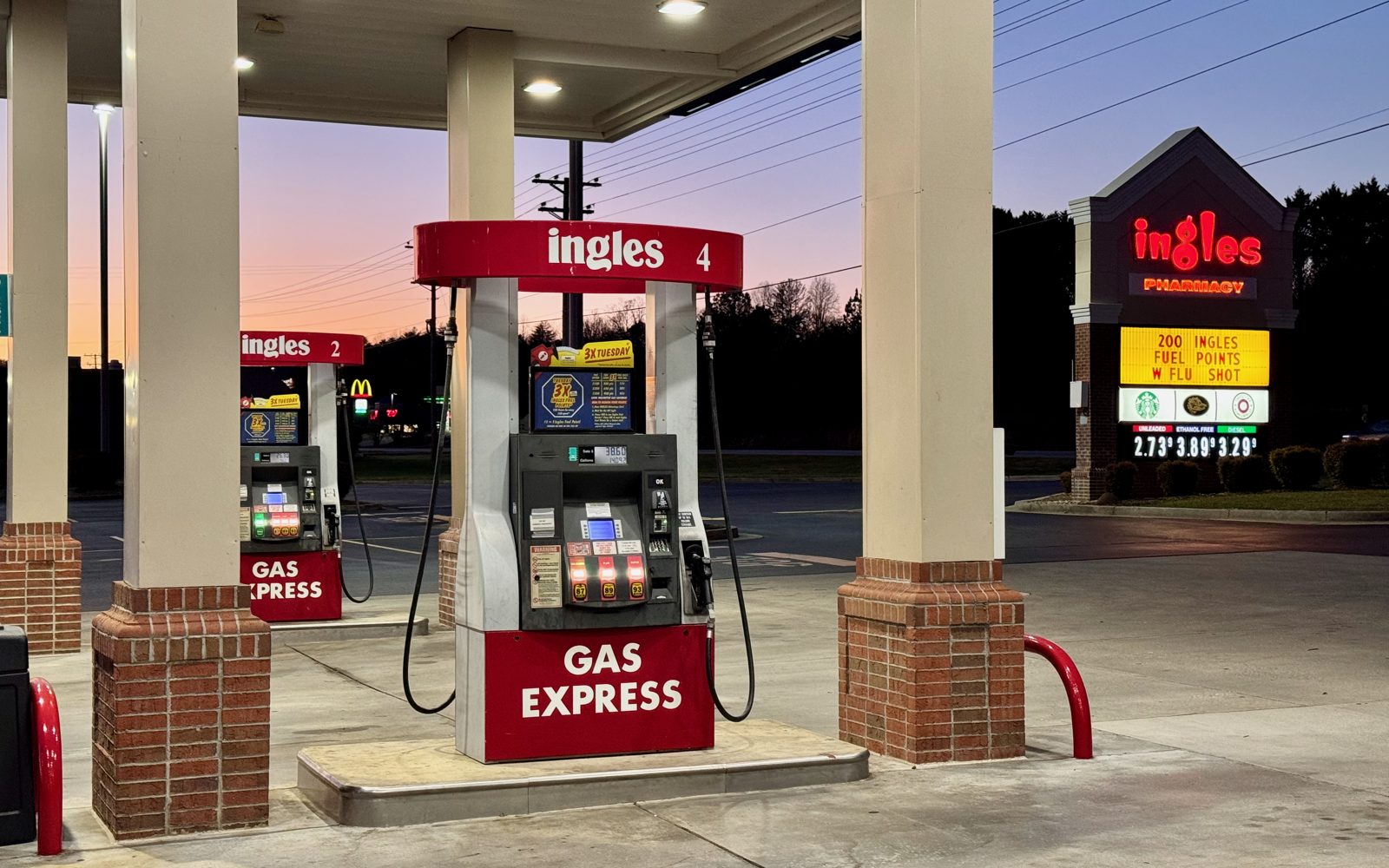
At the pump, regular gas averaged about $4.33 a gallon on Oct. 15, according to AAA figures cited by the Associated Press, compared with under $3 before the war began. For a driver who uses 50 gallons a month, that's roughly $65 or more extra every month compared with pre-war prices.
What to watch next
- How quickly countries actually release the diesel. The IEA said it should happen "as soon as possible," but each country sets its own pace.
- Whether the U.S. restricts diesel exports, which President Trump is reportedly considering, according to Bloomberg.
- Any change in the Iran conflict, which remains the biggest driver of oil prices.
How to soften the hit to your budget
- Compare local gas prices with a free price-tracking app before you fill up; prices can vary by 20 cents or more within a few miles.
- Combine errands into one trip and check your tire pressure, since underinflated tires waste fuel.
- Ask whether your employer offers commuter benefits or a hybrid schedule.
- Give your monthly budget a fuel line item for the next few months, so higher prices don't surprise you.
For more ways to cut energy costs, see our guides to lowering your energy bills at home and saving on utility bills year-round, plus our earlier look at why oil jumped after the attacks on Saudi Arabia.
Frequently asked questions
What is the IEA emergency oil release?
It's a coordinated release of oil and fuel from member countries' emergency stockpiles. In March, members pledged 400 million barrels; on Oct. 15 they agreed to release the remaining 100 million barrels as soon as possible.
Will the IEA release lower gas prices?
It may help keep prices from rising further, but oil prices barely moved after the announcement. Regular gas averaged about $4.33 a gallon in mid-October.
Why is diesel being prioritized?
Diesel fuels the trucks and ships that move most goods, and its price has surged. The IEA said more than 20 million barrels of diesel should be released as soon as possible.
How much oil have IEA members released so far?
About 330 million barrels, according to the IEA, and total releases are now expected to exceed the 400 million barrels pledged in March.
Sources
Content on The Evergreen Edit is for educational and informational purposes only and is not individualized financial, investment, tax or legal advice. Learn more.
This article is for educational purposes only and isn't personalized financial, tax or legal advice. Consider talking with a qualified professional about your situation.

Kiara Miller — Founder & Editor
Kiara Miller is the founder and editor of The Evergreen Edit. He has been doing independent finance research for two decades and reviews every article before it's published.
More about Kiara →Get smarter about your money.
Join readers who get The Sunday Edit every week.