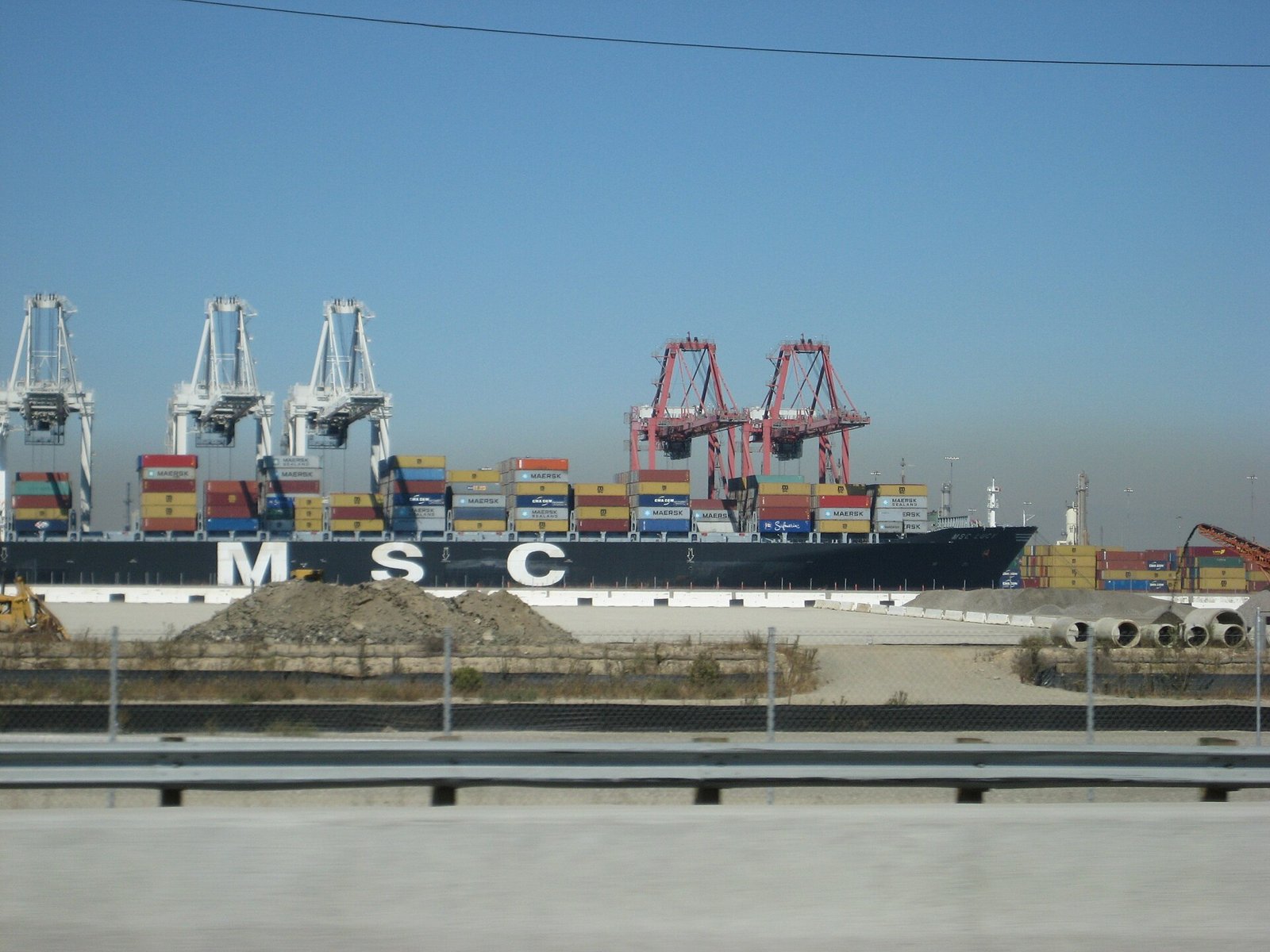
At a rally in Ohio, President Trump said foreign companies selling goods in the United States would have about 18 months to build factories in America or face tariffs of 150% to 300%, according to a report from The Motley Fool on Oct. 7, 2026. He named South Korea, China, Japan and Canada.
The warning came less than two weeks after Trump met Chinese President Xi Jinping in Washington.
What the U.S.-China meeting did and didn't settle
The two leaders agreed to extend their trade truce into January 2027 and to pursue lower tariffs on about $30 billion of goods in each direction. Many bigger issues were left unresolved, including overall tariff levels, restrictions on technology exports, Chinese purchases of U.S. farm products, and access to rare earth minerals used in electronics and cars.
A tariff is a tax on imported goods, usually paid by the company bringing them into the country. Companies often pass some or all of that cost on to customers through higher prices.
Why the uncertainty matters as much as the number
Analysts note that unpredictability itself is a major risk for businesses. Building a factory or moving a supply chain takes years of planning. When tariff threats change quickly, companies have a hard time deciding where to invest.
For investors, that uncertainty often shows up in share prices before it ever shows up in sales. A mid-October analysis from IG pointed to past tariff-related swings in stocks of companies that rely on imports, including Nike, Adidas, Deckers and Under Armour.
Who could be most affected
- Retailers that import much of what they sell, especially apparel, footwear and electronics.
- Automakers and parts suppliers with cross-border supply chains in Canada, Japan and South Korea.
- Manufacturers that depend on Chinese components or rare earth minerals.
- Shoppers, if higher import costs are passed on in store prices.
On the other hand, companies that already make most of their products in the U.S. could face less pressure, though they may still rely on imported parts.
How these tariffs could actually be imposed
Presidents don't need new legislation to raise tariffs quickly. Past tariff moves by the Trump administration have relied on laws such as the International Emergency Economic Powers Act, Section 232 of the Trade Expansion Act, which covers national-security grounds, and Section 301 of the Trade Act, which targets unfair trade practices. Any of these could serve as the legal basis for tariffs in the 150% to 300% range, though rates that high would likely draw legal challenges in U.S. courts and could also be contested at the World Trade Organization.
Tariffs have often been used as a negotiating tool rather than a final policy. During Trump's first term, steel and aluminum tariffs were paired with country-specific exemptions and quotas that shifted repeatedly as talks continued. A pattern of threat, negotiation, then a narrower final outcome is common in trade disputes, which is one reason economists caution against assuming today's headline number will be the one that actually takes effect.
What it means for your money
Tariff headlines can make markets jumpy. If you hold individual stocks in import-heavy industries, expect bigger swings when trade news breaks. If you invest through broad index funds, your exposure is spread across many industries.
For your budget, it may be worth planning big purchases, like electronics or a car, with possible price increases in mind, rather than assuming today's prices will hold.
The bottom line
The new tariff threat adds to trade uncertainty only weeks after a limited U.S.-China truce. Nothing changes overnight, but import-reliant companies could see more volatile stock prices. Keep a diversified portfolio and avoid making big moves on a single headline.
Sources: https://www.fool.com/investing/2026/10/07/donald-trump-threaten-tariffs-countries-xi-china/, https://www.ig.com/ae/news-and-trade-ideas/how-tariff-dominoes-fall--what-moves-first--and-what-follows-261009
Content on The Evergreen Edit is for educational and informational purposes only and is not individualized financial, investment, tax or legal advice. Learn more.
This article is for educational purposes only and isn't personalized financial, tax or legal advice. Consider talking with a qualified professional about your situation.

Kiara Miller — Founder & Editor
Kiara Miller is the founder and editor of The Evergreen Edit. He has been doing independent finance research for two decades and reviews every article before it's published.
More about Kiara →Get smarter about your money.
Join readers who get The Sunday Edit every week.