Pump prices had just started to ease, but a new spike in crude oil could slow that relief heading into the holidays.
Oil prices climbed on Monday, Oct. 12, after a weekend of attacks on Saudi Arabia, one of the world's biggest oil producers. The jump came just as gas prices in the U.S. had begun to drift slightly lower from record highs for this time of year.
Brent crude, the global benchmark, settled up $1.93, or 1.8%, at $106.65 a barrel, its highest close since Sept. 15, according to Reuters. West Texas Intermediate (WTI), the main U.S. benchmark, rose $1.89, or 2%, to $93.74.
Here's what happened, what it means at the pump, and some ways to protect your budget if fuel stays expensive.
What happened
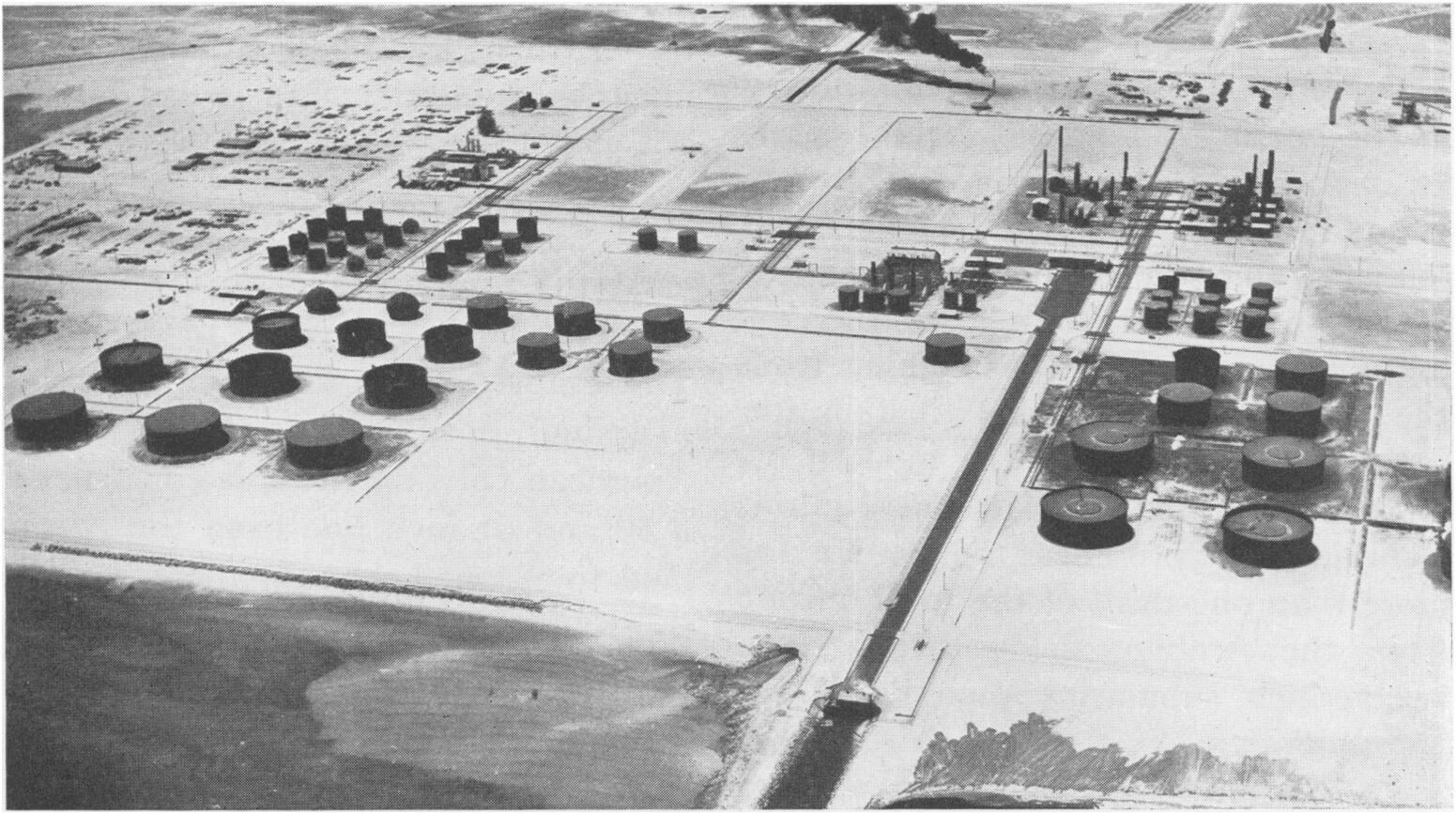
The Iran-aligned Houthi group claimed responsibility for a Saturday strike on the international airport in Riyadh, Saudi Arabia's capital, that killed 13 people and wounded more than 300, Reuters reported. More attacks followed on Sunday. One market analyst said five Saudi refineries were briefly shut when a pipeline to the Red Sea was closed after missile strikes, though he said the refineries were operating again.
At the same time, attacks on oil tankers continued near the Strait of Hormuz, a narrow waterway that a large share of the world's oil passes through. A tanker was hit by a drone near Sohar, Oman, and another was damaged while passing through the strait, according to the U.K. Maritime Trade Operations agency, as reported by Reuters.
Those attacks outweighed some news that would normally push prices down. On Friday, President Trump said Russia would immediately supply more than 300,000 metric tons of diesel, and on Sunday he announced that Russia and Ukraine had agreed to a ceasefire covering energy facilities. Ukraine's president accused Russia of violating that ceasefire on Monday, Reuters reported.
Where gas and diesel prices stand
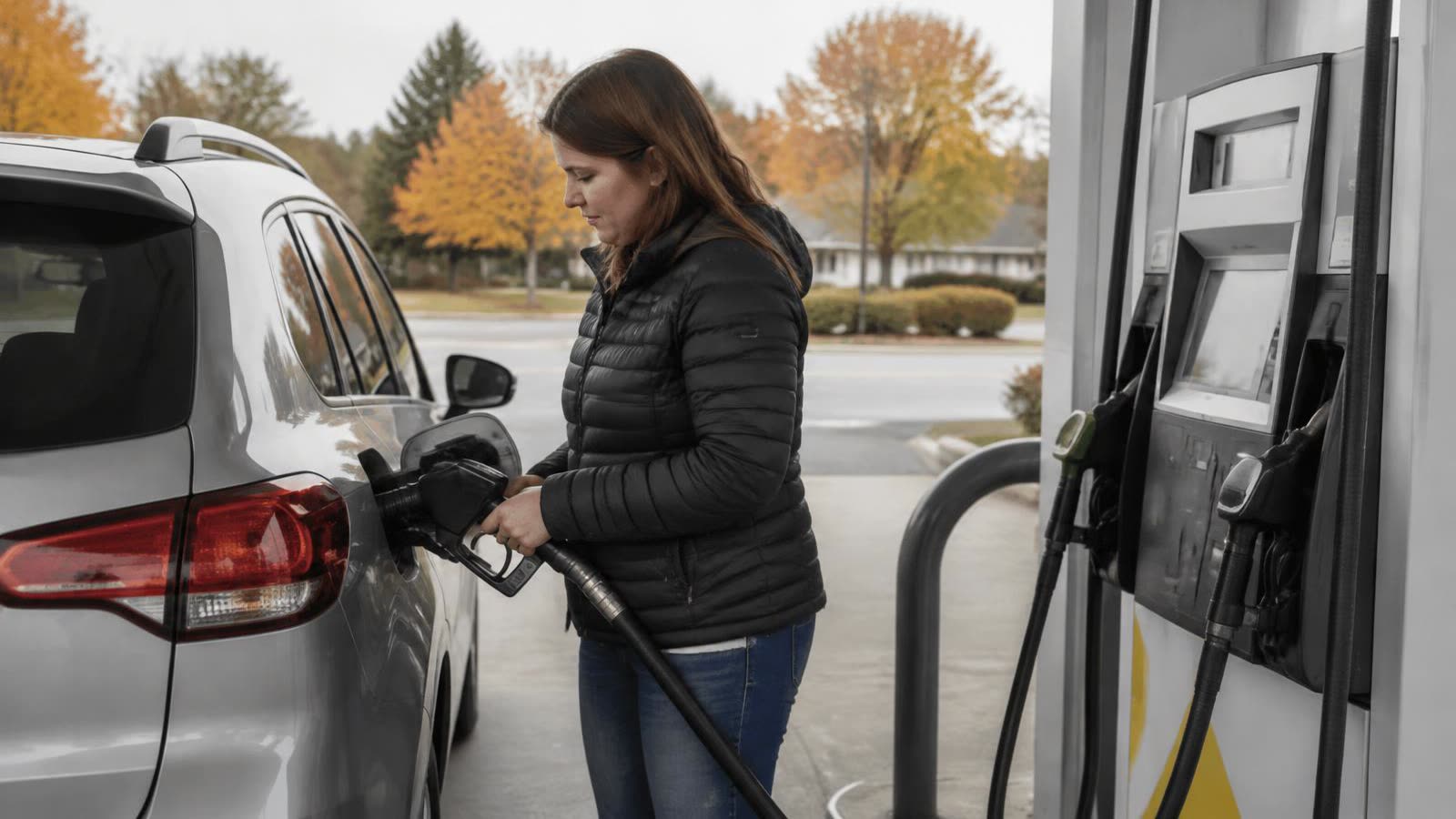
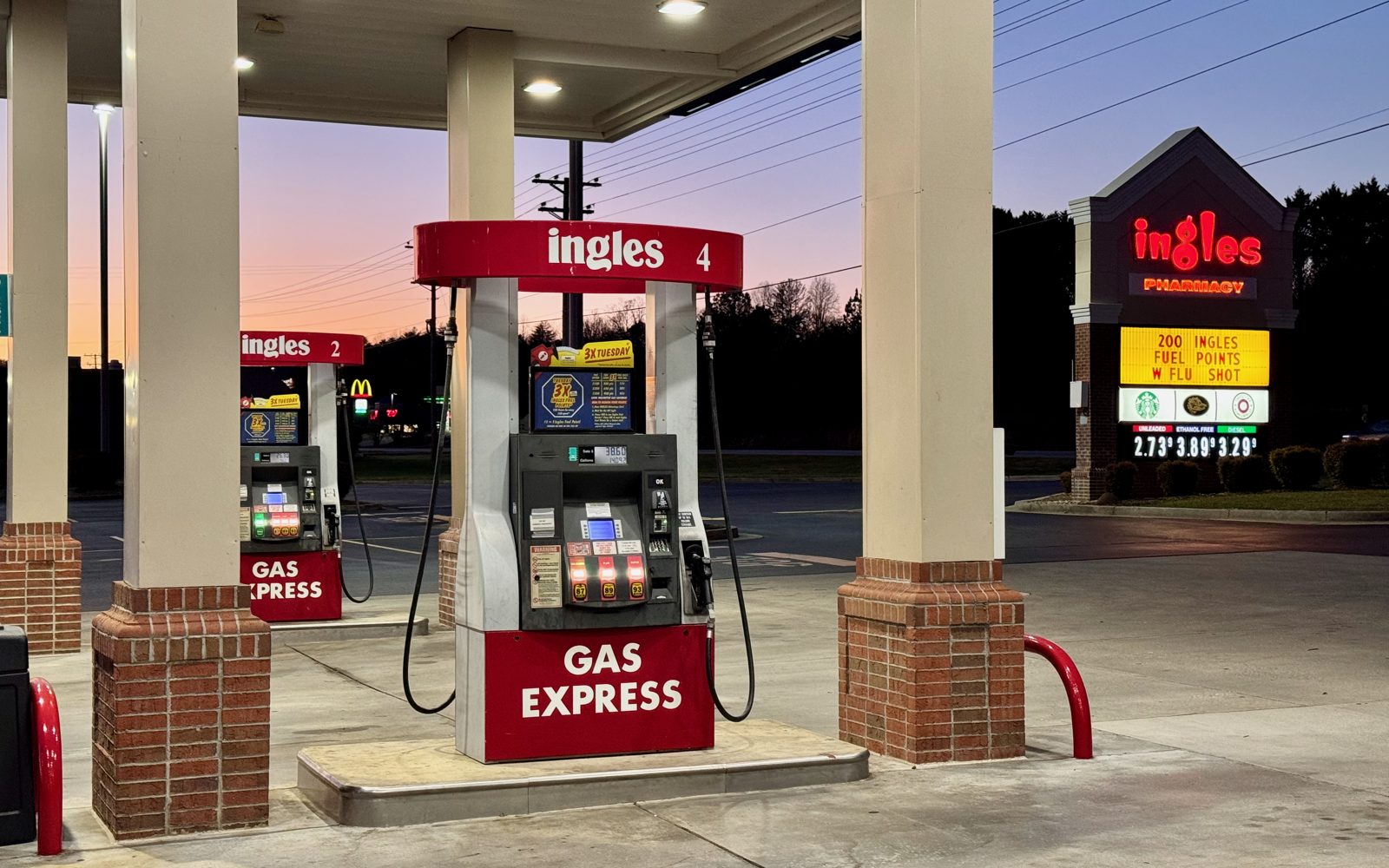
Before Monday's oil jump, prices at the pump had been edging down. The national average for regular gasoline was $4.29 a gallon on Monday, down 0.4 cents from a week earlier but $1.28 higher than a year ago, according to GasBuddy. Diesel averaged about $6.25 a gallon, down 5.9 cents from the week before. AAA's national average for regular was about $4.36 on Oct. 12. The two groups track prices a little differently, which is why their numbers don't match exactly.
AAA said last week that gas prices "remain the highest they've ever been for this time of year."
Patrick De Haan, head of petroleum analysis at GasBuddy, said "the trend is cautiously in the right direction for motorists," but added that "it is far too early to declare the pressure on fuel prices resolved." He pointed to hurricane season and global tensions as ongoing risks, and said he was skeptical that the proposed Russian diesel deal would bring much relief.
Forecasters aren't expecting a quick drop. Goldman Sachs raised its December forecast for Brent to $90 a barrel from $85, and analyst Jim Ritterbusch said he didn't expect much price relief before the U.S. midterm elections in three weeks, according to Reuters.
What this means for your wallet
Crude oil makes up a big part of what you pay for gasoline, but changes usually take a week or more to show up at the pump. So Monday's jump may not hit your local station right away. If oil stays above $100, though, the small declines drivers have seen recently could stall or reverse.
Diesel matters even if you don't drive a diesel vehicle. Trucks, trains and farm equipment run on diesel, so higher diesel costs can trickle into the price of groceries, packages and other goods. Heating oil, which many homes in the Northeast use, is made from a similar fuel, so it tends to move with diesel prices.
For a household that buys about 50 gallons of gas a month, every 10-cent change in the price per gallon works out to about $5 a month. That's not huge on its own, but at today's prices, gas is costing that same household roughly $64 more a month than a year ago, based on GasBuddy's $1.28 year-over-year increase.
Ways to soften the hit
There's nothing you can do about oil markets, but you can control how much fuel costs eat into your budget.
Consider using a gas price app to compare stations near you, since prices on the same street can differ by a surprising amount. Warehouse clubs and grocery store fuel programs may offer discounts if you already shop there. Some credit cards pay extra cash back on gas, which can help if you pay your balance in full each month.
How you drive matters too. Keeping tires properly inflated, removing heavy items from your trunk and easing off hard acceleration can all improve fuel economy. Combining errands into one trip and carpooling a few days a week can add up over a month.
If you heat with oil, it may be worth calling your supplier to ask about budget billing or pre-buy plans, and comparing them with month-to-month prices before committing. Finally, it can help to give your fuel budget a little extra room for the next couple of months, so a price jump doesn't force cuts elsewhere.
This article is for education only and is not financial advice. Everyone's situation is different.
Content on The Evergreen Edit is for educational and informational purposes only and is not individualized financial, investment, tax or legal advice. Learn more.
This article is for educational purposes only and isn't personalized financial, tax or legal advice. Consider talking with a qualified professional about your situation.

Kiara Miller — Founder & Editor
Kiara Miller is the founder and editor of The Evergreen Edit. He has been doing independent finance research for two decades and reviews every article before it's published.
More about Kiara →Get smarter about your money.
Join readers who get The Sunday Edit every week.