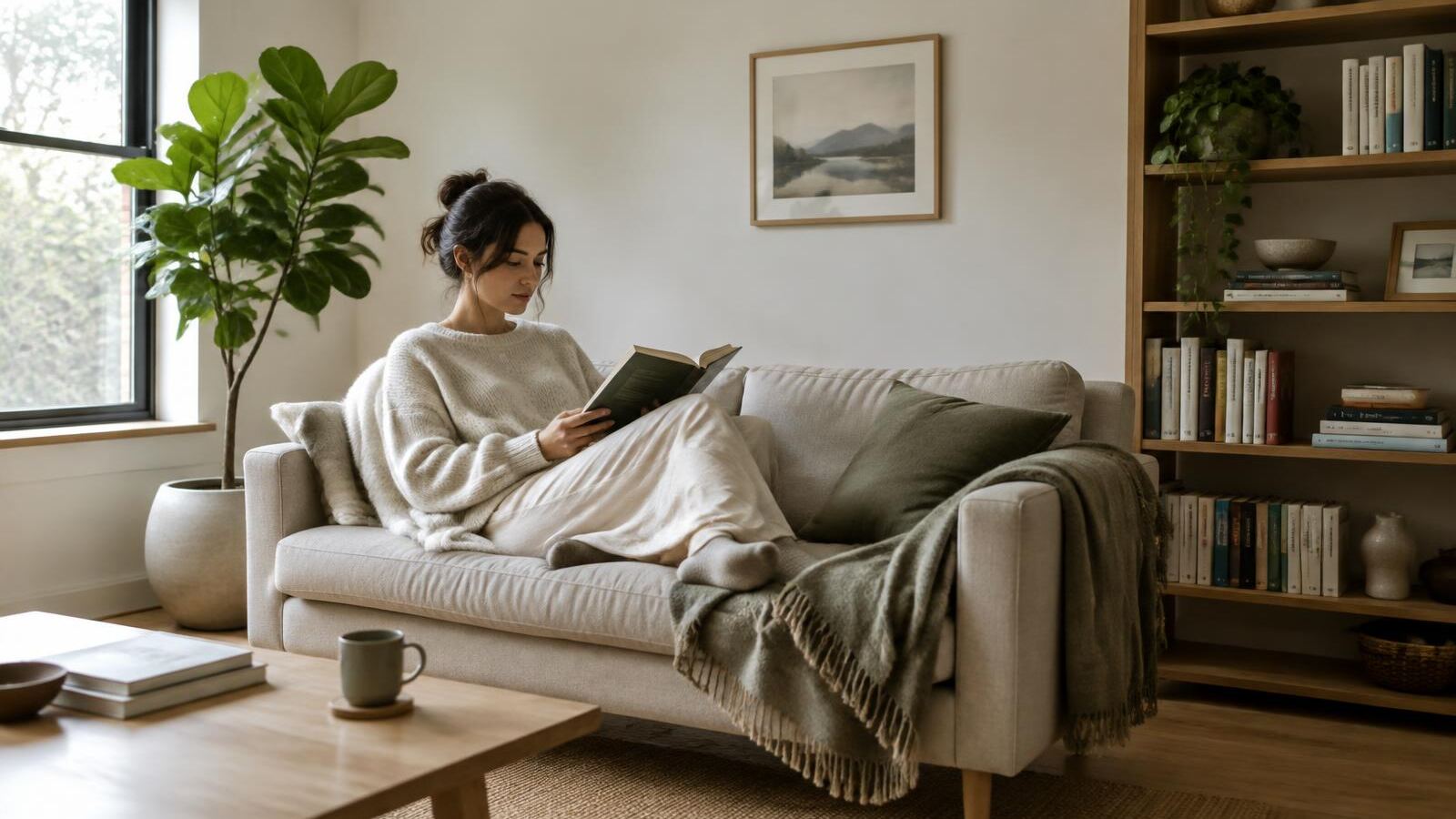
Minimalism has become popular as a way to make homes feel calmer and less cluttered. But beyond tidier closets and clearer countertops, minimalism can also have a powerful effect on your finances. At its heart, minimalism is about being intentional with what you own and what you buy, and that intentionality can help you save more, spend more wisely and focus your money on what truly matters.
What minimalism is, and what it isn’t
Minimalism doesn’t mean living in an empty room, owning only a set number of items or never buying anything nice. Those extreme images can make minimalism seem unappealing or unrealistic.
Instead, minimalism means keeping and buying things that add real value to your life and letting go of what doesn’t. A minimalist might own expensive, high-quality items they love and use often, while avoiding clutter and purchases that don’t serve a purpose.
Minimalism looks different for everyone. For one person, it might mean a carefully curated wardrobe. For another, it might mean fewer gadgets, a smaller home or simply buying less on autopilot.
How minimalism helps your wallet
Minimalism leads to fewer impulse purchases. When you become more thoughtful about what comes into your home, you naturally pause before buying. You start asking whether something will truly add value or simply become clutter, which can significantly reduce unnecessary spending.
It reduces the costs of storing and managing stuff. Many people spend money on storage units, organizing products, larger homes and furniture designed to hold more possessions. Owning less can reduce or eliminate these costs. Over time, a smaller home or the ability to skip a storage unit can save substantial amounts.
It lowers maintenance and replacement costs. Every item you own may need cleaning, repairs, insurance or eventual replacement. Fewer possessions mean fewer of these ongoing costs and less time spent maintaining them.
It can generate cash. Selling items you no longer need, such as clothing, electronics, furniture and sports equipment, can provide money to put toward savings, debt or goals.
It can redirect money toward what matters. When you spend less on things that don’t add value, you have more money for experiences, savings, financial goals and the things you genuinely love.
The emotional benefits
Many people find that owning less brings a sense of calm, freedom and clarity. Clutter can create stress and make it harder to find what you need. A simpler home can feel more peaceful and easier to maintain. Minimalism can also reduce the pressure to keep up with others and the endless cycle of wanting the next new thing.
How to start
Start small rather than trying to overhaul your entire home at once. Pick one area, such as a closet, a kitchen drawer, a bookshelf or a bathroom cabinet.
Go through the items one by one. Keep the things you use regularly or truly love. Sell, donate or recycle the rest. Many communities have donation centers, resale shops and online marketplaces that make it easy to give items a second life.
As you declutter, notice how much money you spent on things you didn’t use or need, such as clothes with tags still attached, unused gadgets or duplicate items. This awareness can be eye-opening and motivating.
Use that awareness to shop more intentionally going forward. The lessons you learn while decluttering can prevent future unnecessary purchases.
Shop with intention
Minimalism isn’t just about getting rid of things; it’s about changing how you buy. Make a list before you shop and stick to it, which helps avoid impulse purchases.
Wait before buying nonessentials. Waiting a day, a week or even 30 days before buying something you want gives the initial excitement time to fade, helping you decide whether you truly want it.
Choose quality items that last when it makes sense. Investing in durable, well-made items can be more economical over time than repeatedly replacing cheaper versions, though higher prices don’t always mean better quality.
Ask where a new item will live before you buy it. If you don’t have a place for it, consider whether you really need it.
Unsubscribe from marketing emails and unfollow accounts that encourage constant shopping, reducing temptation.
Consider borrowing, renting or buying used for items you need only occasionally, such as tools, party supplies or specialty equipment.
Avoid the minimalism trap
Ironically, some people spend significant money pursuing minimalism, buying new organizing products, matching storage containers or replacing perfectly functional items with minimalist versions. True minimalism focuses on using what you have and buying less, not buying a new minimalist lifestyle.
Make it your own
Minimalism is personal, and there’s no right number of possessions or perfect version to follow. The goal is simply to align what you own and buy with what you value. Whether you embrace it fully or adopt just a few principles, a more intentional approach to stuff can lead to a more intentional approach to money, and more freedom in both.
Content on The Evergreen Edit is for educational and informational purposes only and is not individualized financial, investment, tax or legal advice. Learn more.
This article is for educational purposes only and isn't personalized financial, tax or legal advice. Consider talking with a qualified professional about your situation.

Kiara Miller — Founder & Editor
Kiara Miller is the founder and editor of The Evergreen Edit. He has been doing independent finance research for two decades and reviews every article before it's published.
More about Kiara →Get smarter about your money.
Join readers who get The Sunday Edit every week.