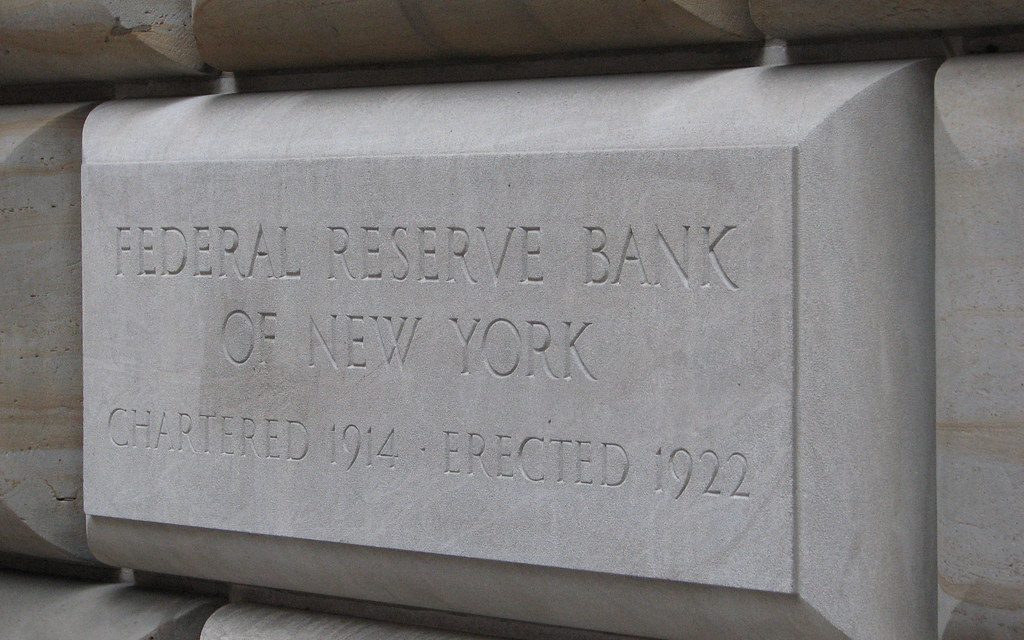
Two influential Fed leaders said rates may need to rise a bit further in 2026, but not necessarily beyond that.
The Federal Reserve isn't done raising interest rates, if two of its most influential officials are right. On Tuesday, Oct. 13, Boston Fed President Susan Collins said the Fed will "raise rates a bit further before the end of the year," and New York Fed President John Williams said it "may be appropriate to have one more rate hike" in 2026. The comments came a day before a hotter-than-expected inflation report and two weeks before the Fed's next policy meeting on Oct. 27–28.
Where rates stand
The Fed raised its benchmark federal funds rate by a quarter point in September, to a range of 3.75% to 4.00%. The federal funds rate is what banks charge each other for overnight loans, and it influences the rates on credit cards, savings accounts, auto loans and more.
What Collins said
Speaking at the Boston Fed's Regional and Community Bankers Conference, Collins said further tightening would depend on incoming data. She noted that inflation measured by the personal consumption expenditures index, the Fed's preferred gauge, was 3.4% over the year through August, with core inflation at 3.0%. A three-month measure of core inflation was closer to 2%, suggesting some cooling over the summer.
But she warned that progress may not last, pointing to energy costs such as diesel, jet fuel and heating oil that could spread to transportation and other services, as well as costs from the buildout of AI data centers, tariffs and the Middle East conflict. She described the job market as broadly balanced and near full employment.
What Williams said
Williams, who is also vice chair of the committee that sets rates, told Bloomberg News that he still thinks one more hike this year may be appropriate. Looking further out, he said, "I don't think at this time I have any reason to believe that we would need to do more" in 2027. He expects energy prices to stop adding to inflation next year and said, "My view is this is not an economy that is overheating overall."
His comments initially led investors to scale back bets on a hike at the October meeting. Then Wednesday's report showing consumer prices up 3.7% from a year earlier pushed those odds back up, according to CME FedWatch data cited by The Crypto Times.
What this means for your wallet
If the Fed raises rates again, the effects show up quickly on variable-rate debt. Credit card interest rates usually rise within a billing cycle or two after a Fed move, so paying down card balances now can save money. Home equity lines of credit and some private student loans can also adjust.
Mortgage rates don't follow the Fed directly. They track long-term Treasury yields, which have already climbed above 5%, pushing 30-year mortgage rates to around 7.4% to 7.5%.
Savers, meanwhile, can benefit. High-yield savings accounts, money market funds and certificates of deposit tend to pay more when the Fed raises rates. If your savings sit in an account paying close to nothing, moving them could earn noticeably more.
Some people also follow, or trade on, the odds of Fed decisions through regulated prediction markets. These contracts can lose all their value, so treat them as high-risk and use only money you can afford to lose.
This article is for education only and is not financial advice. Everyone's situation is different.
Content on The Evergreen Edit is for educational and informational purposes only and is not individualized financial, investment, tax or legal advice. Learn more.
This article is for educational purposes only and isn't personalized financial, tax or legal advice. Consider talking with a qualified professional about your situation.

Kiara Miller — Founder & Editor
Kiara Miller is the founder and editor of The Evergreen Edit. He has been doing independent finance research for two decades and reviews every article before it's published.
More about Kiara →Get smarter about your money.
Join readers who get The Sunday Edit every week.