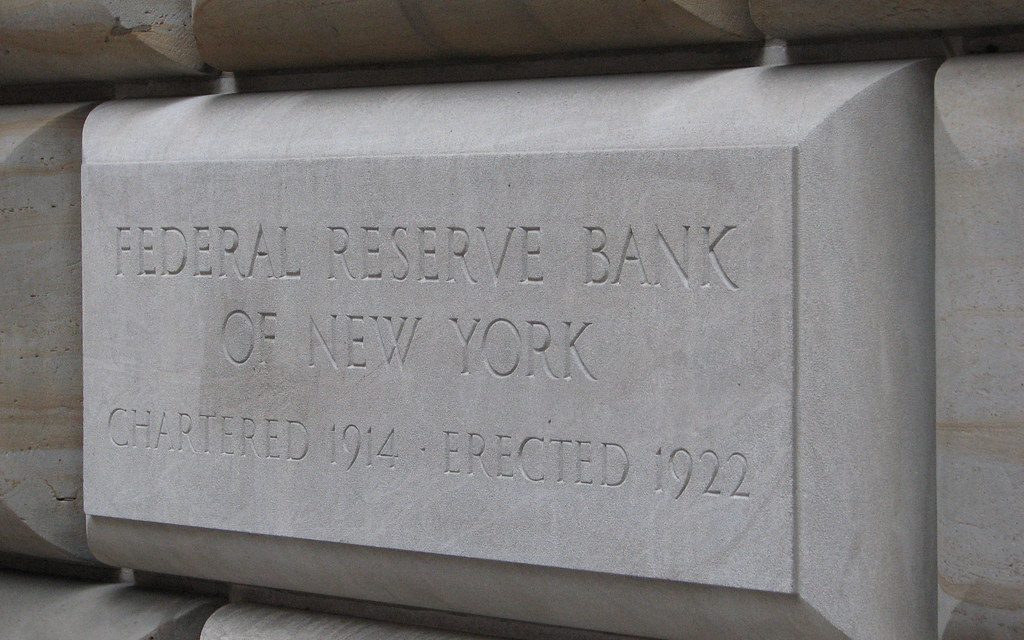
Gasoline drove most of the increase, but a hotter-than-expected core reading has investors worried the Federal Reserve could raise rates again.
Prices for everyday goods and services rose faster in September, according to the Consumer Price Index released by the Bureau of Labor Statistics on Wednesday, Oct. 14. The CPI, a measure of what households pay for a typical basket of goods and services, rose 0.6% for the month and 3.7% from a year earlier. That was up from 3.4% in August and a bit above the 3.6% many economists expected.
The biggest single driver was gasoline. But prices outside of food and energy also rose a little faster than forecast, and that part of the report rattled the stock and bond markets.
Gas prices did most of the damage
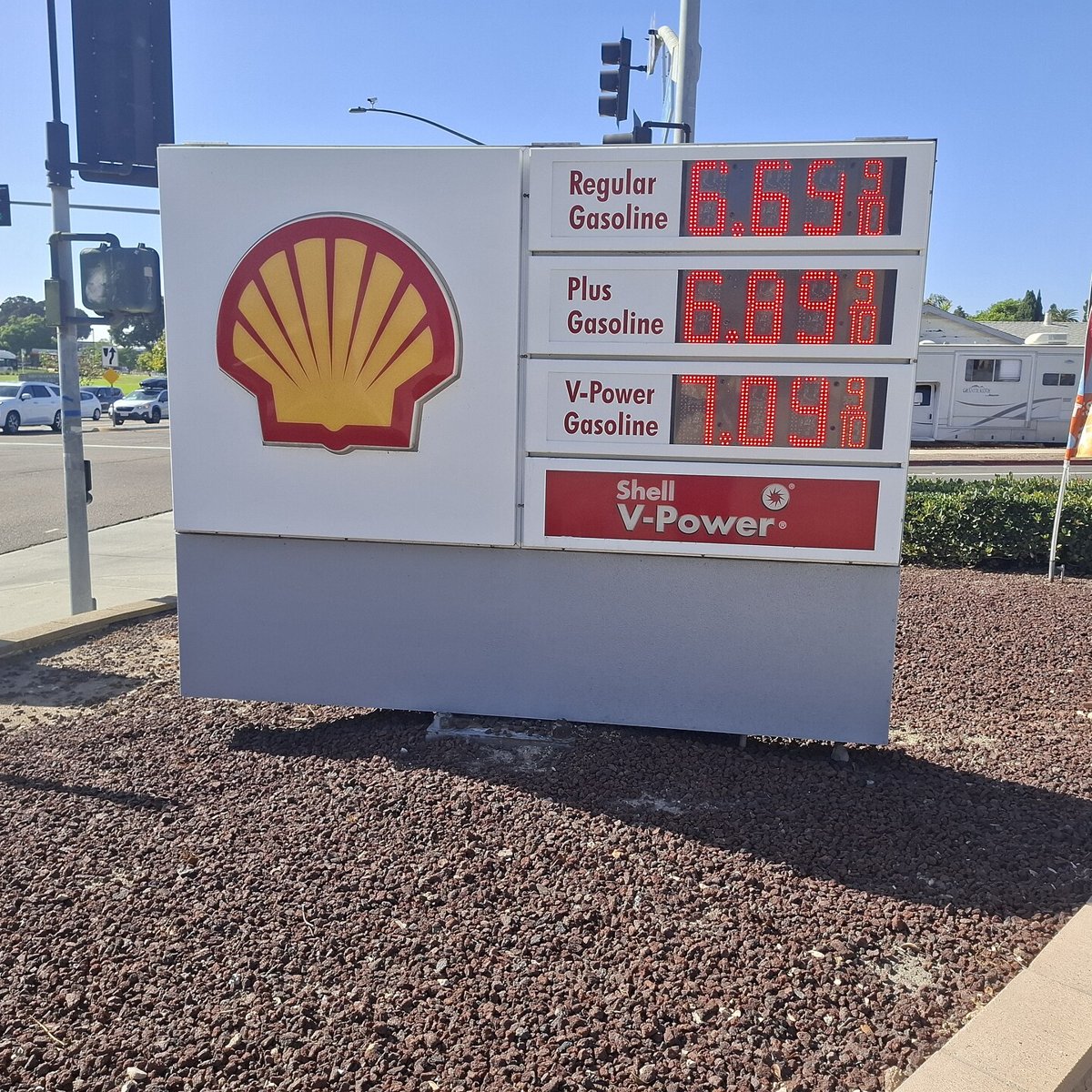
The gasoline index jumped 9.1% in September alone, after rising 3.9% in August. Compared with a year earlier, gas prices were up 34.2%. The government said gasoline accounted for more than half of the month's overall increase. Overall energy prices rose 5.2% for the month and 20.4% over the year.
Oil prices have been pushed higher by attacks on energy facilities in the Middle East and shipping disruptions near the Strait of Hormuz, and that flows straight through to what drivers pay at the pump.
There was some relief elsewhere. Overall food prices were flat for the month, and grocery prices actually slipped 0.1%. Food prices were up 2.5% from a year earlier, with groceries up just 1.8%. Restaurant prices rose 0.2% in September.
Why core inflation matters more to the Fed
Economists pay close attention to core CPI, which strips out food and energy because those prices swing a lot. Core prices rose 0.3% in September, slightly more than the 0.2% forecasters expected, and 2.6% from a year earlier, up from 2.4% in August.
Shelter, which includes rent and the estimated cost of owning a home, was a big part of that. Shelter costs rose 0.4% for the month and 3.2% over the year. One economist told TheStreet that shelter added roughly 0.15 percentage points to core inflation and that he did not see it as the start of a broader trend. Airline fares rose 1.2% for the month and were up 22.4% over the year, another sign of how fuel costs ripple through the economy.
The reaction was swift. The yield on the 10-year Treasury note rose to about 5.28%, and stocks fell, with the Nasdaq dropping nearly 1.9%, as investors bet the Fed may raise interest rates again at its meeting later this month.
What this means for your wallet
The clearest effect is at the gas pump. If fuel takes a bigger bite out of your budget, small changes such as combining errands, using a gas rewards program or comparing prices with an app can add up. Groceries, on the other hand, have been relatively steady, so cooking at home remains one of the best ways to stretch a tight budget.
Higher inflation also matters for borrowing. If the Fed raises rates again, credit card interest rates, which usually move with the Fed's benchmark, could tick up too. Paying down variable-rate debt now can protect you from that. On the savings side, high rates mean high-yield savings accounts and certificates of deposit may keep paying well, which can help your cash keep up with rising prices.
Some people also follow the odds of upcoming economic data and Fed decisions through regulated prediction markets, where you can trade contracts on outcomes such as next month's inflation rate or the Fed's next move. These are risky, and you can lose the money you put in, so they are only for money you can afford to lose.
This article is for education only and is not financial advice. Everyone's situation is different.
Content on The Evergreen Edit is for educational and informational purposes only and is not individualized financial, investment, tax or legal advice. Learn more.
This article is for educational purposes only and isn't personalized financial, tax or legal advice. Consider talking with a qualified professional about your situation.

Kiara Miller — Founder & Editor
Kiara Miller is the founder and editor of The Evergreen Edit. He has been doing independent finance research for two decades and reviews every article before it's published.
More about Kiara →Get smarter about your money.
Join readers who get The Sunday Edit every week.