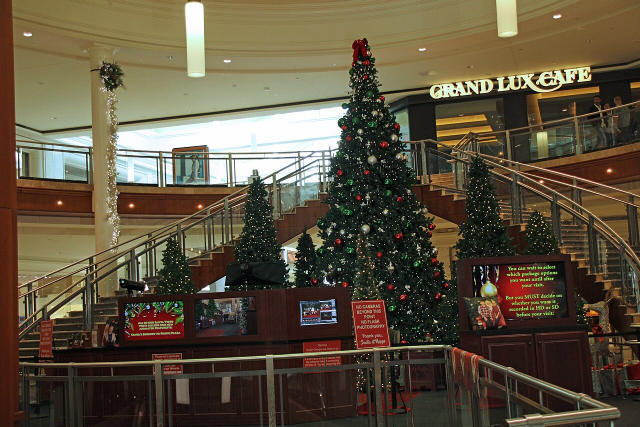
Spending grew more slowly than prices last month, a sign that many households are already stretching their budgets before the holidays begin.
What did the October retail sales report show?
U.S. retail and food service sales rose just 0.2% in October to $748.2 billion, the Commerce Department said Tuesday, Nov. 17. That was a sharp slowdown from September's 0.8% gain. Because consumer prices rose 0.4% in October, shoppers likely bought a little less stuff, even though they spent slightly more money.
The figures come from the Census Bureau's advance monthly retail sales report, the government's earliest read on what Americans spend at stores, gas stations, online sellers and restaurants. Sales were 6.8% higher than in October 2025. For August through October, they were up 6.4% from the same three months a year earlier. The September gain of 0.8% was left unrevised.
One detail is easy to miss. The Census Bureau lists a margin of error of plus or minus 0.4 percentage point for the monthly change. With a 0.2% estimate, the true change could have been anywhere from a small decline to a 0.6% gain. That's why economists often wait for revisions and look at several months together. Our guide on how to read the monthly retail sales report explains these terms in more detail.
Where people spent more, and where they cut back
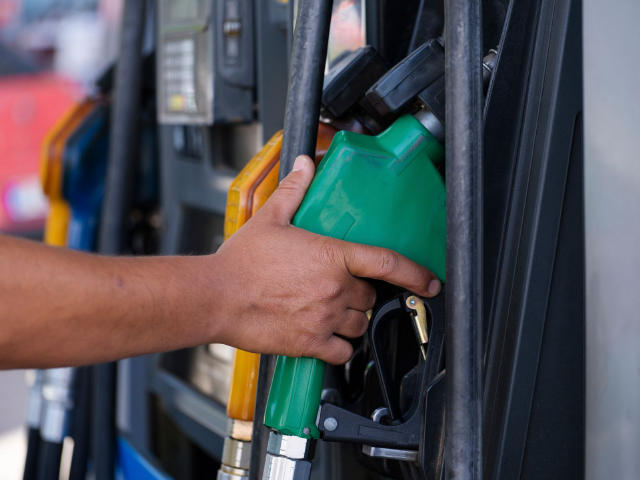
The details, as reported by the Associated Press, show a mixed picture. Online and other nonstore retailers rose 1.2%, helped by a two-day Amazon Prime Day event in early October. Sales at gas stations rose 1.5%. Restaurants and bars, often a sign of how comfortable people feel spending on extras, rose only 0.2%.
On the other side, sales at motor vehicle and parts dealers fell 1.6%, reversing a 1.3% gain in September. Clothing stores and furniture and home furnishing stores also saw lower sales. Excluding auto dealers, sales rose 0.6%. Excluding gas stations, they rose just 0.1%.
Economists also watch the "control group," which leaves out food services, autos, building materials and gas stations. It feeds into the government's estimate of economic growth. That measure rose a solid 0.6%, AP reported, so the slowdown was concentrated in big-ticket and discretionary categories rather than spread evenly.
Why shoppers are being careful
Prices are a big part of the story. The Consumer Price Index rose 0.4% in October, hotter than expected, according to AP. A gallon of gas still costs nearly 20% more than at this time last year, even after gas prices fell in November.
Heather Long, chief economist at Navy Federal Credit Union, summed it up: "The cautious consumer is back. October retail sales were tepid. Budgets are tight for many households." She noted that after adjusting for higher prices, consumer spending was negative. Not everyone sees weakness, though. Stephen Lebovitz, CEO of mall owner CBL Properties, told AP, "People are working and earning, and they're still spending."
What this means for your wallet
The main lesson for families is that the same holiday plans may cost more than last year. Here's a simple way to see why. Retail sales rose 0.2% in October while prices rose 0.4%. Roughly speaking, that means the volume of goods people bought fell about 0.2%. Households are spending a bit more money to bring home a bit less.
Now apply that idea to your own holiday plans. Say you spent $1,000 on gifts, food and decorations last year. If the same list costs 3% more this year, you'd need $1,030 to buy it all. The 3% here is only an example, so check your own receipts or past bank statements for a real starting point. If your budget is still $1,000, you'd need to trim about $30 somewhere, such as one smaller gift or a simpler menu.
Travel adds to the bill. Say you plan a 600-mile round trip in a car that gets 25 miles per gallon. That's 24 gallons. If gas cost $3.00 a gallon last year and is about 20% higher now, at $3.60, your fuel cost rises from $72 to $86.40. Use the actual prices on your route; these numbers are only an illustration.
A few steps can keep your holiday spending in check:
- Write one total number for the season before you shop, then split it into gifts, food, travel and extras.
- List each person and a dollar limit, and check prices before big sale days so you can spot a real discount.
- Pay for as much as you can with cash or debit, or pay credit card balances in full. Read our guide to buy now, pay later pros and cons before splitting a purchase into installments.
- Look for lower-cost traditions, like a gift exchange or homemade treats. Our guide on how to save money on holiday gifts has more ideas.
Frequently asked questions
How much did retail sales rise in October 2026?
Retail and food service sales rose 0.2% from September to $748.2 billion, according to the Census Bureau. They were 6.8% higher than in October 2025.
What is the retail sales control group?
It is a narrower measure that leaves out food services, auto dealers, building materials stores and gas stations. Economists use it to help estimate consumer spending in GDP, and it rose 0.6% in October.
Are retail sales adjusted for inflation?
No. The headline figure measures dollars spent, not the number of items bought. If prices rise faster than sales, as they did in October, shoppers are buying less in real terms.
Content on The Evergreen Edit is for educational and informational purposes only and is not individualized financial, investment, tax or legal advice. Learn more.
Your savings goal
Months to your goal: 45
Estimate only. No interest, fees or changes in contributions assumed.
This article is for educational purposes only and isn't personalized financial, tax or legal advice. Consider talking with a qualified professional about your situation.

Kiara Miller — Founder & Editor
Kiara Miller is the founder and editor of The Evergreen Edit. He has been doing independent finance research for two decades, is a tax preparer, and reviews every article before it's published.
More about Kiara →Get smarter about your money.
Join readers who get money stories on their chosen topics, daily or as new articles post.