Scams change their stories, but they follow the same playbook — and once you know it, you can stop most of them before they cost you a dime.
Scammers do not pick on people because they are careless. They target people because they are polite, trusting and willing to help. Retirees can be a special target because many have savings, a home or steady retirement income.
The good news is that most scams share a few warning signs. The Federal Trade Commission (FTC), the federal agency that protects consumers, has spelled them out in plain terms. Once you learn them, a strange call, text or email becomes much easier to recognize.
The four warning signs of a scam
The FTC points to four signs that something is a scam:
- They pretend to be from an organization you know. Scammers often pose as the government, a utility company, a well-known tech company or a charity. Caller ID can be faked, so a familiar name or number on your screen is not proof.
- They say there is a problem or a prize. You might hear that you owe money, that you are in trouble, that your computer has a virus or that you won a prize — but you need to pay a fee first.
- They pressure you to act right away. Scammers want you to decide before you have time to think or talk to anyone. They might threaten arrest or say an offer is about to expire.
- They tell you to pay in a specific way. Scammers often insist on cryptocurrency, wire transfers, payment apps or gift cards, because that money is hard to track and hard to get back.
If you notice even one of these signs, it is a good moment to stop, hang up and check things out on your own.
Government imposter scams
In a government imposter scam, someone pretends to be from an agency such as the Social Security Administration, the IRS, Medicare or even the FTC. They may say your benefits are about to stop, that you owe back taxes or that your Social Security number has been "suspended."
Here is the key fact to remember. The FTC says government agencies will never call, email, text or message you on social media to ask for money or personal information. The FTC also says it will never threaten you, tell you to move your money to "protect it," or tell you to withdraw cash or buy gold.
What you can do: Hang up. If you are worried, look up the agency's official phone number yourself — on a letter you already have or the agency's official website — and call them directly.
Gift card scams
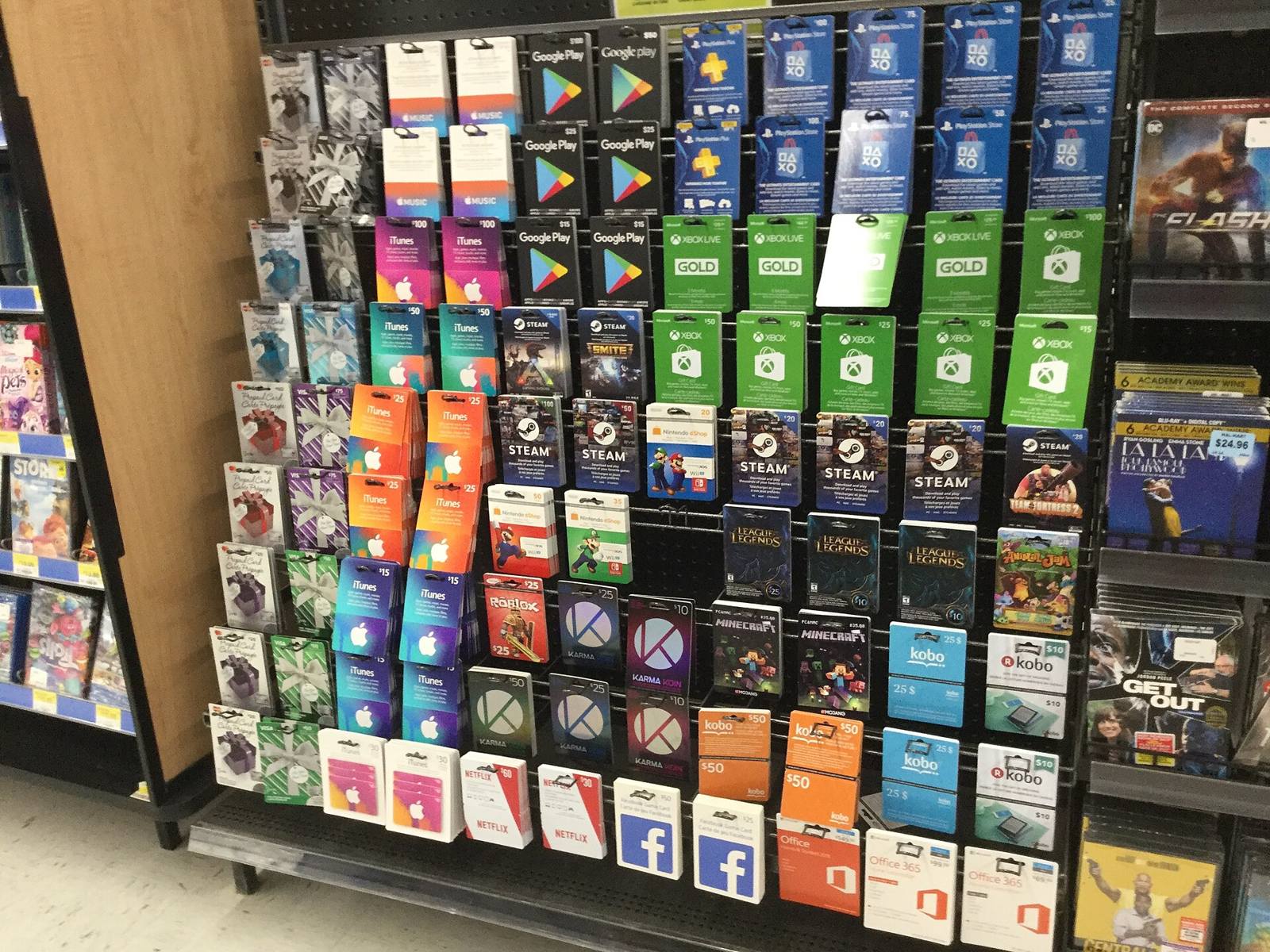
Gift cards are meant for gifts, not for paying bills. The FTC puts it simply: only scammers will tell you to buy a gift card and give them the numbers off the back. No real business or government agency will ever ask you to pay that way.
Gift card requests often show up inside other scams. A fake "IRS agent" might ask for gift cards to settle a tax bill. A fake "grandchild" might ask for gift cards to get out of trouble. A fake tech support worker might ask for them to "fix" your computer.
What you can do: If anyone asks you to pay with a gift card, stop. If you already paid, the FTC suggests contacting the company that issued the card right away, using the phone number on the card, and asking whether they can refund your money. Keep the card and the store receipt.
Tech support scams
In a tech support scam, a pop-up message, phone call or email claims something is wrong with your computer. The message may look official, flash warnings or include a phone number to call.
The FTC notes that real tech companies will not contact you by phone, email or text to tell you there is a problem with your computer. It also says real security pop-ups will never ask you to call a phone number.
Once you call, scammers often ask for remote access, which means permission to control your computer from far away. They may pretend to run a scan while actually looking for financial information, or they may ask you to pay for a "fix" you do not need.
What you can do: Do not call numbers in pop-ups, and do not let a stranger take control of your computer. If you think your computer has a real problem, contact a technician you already know and trust. If you gave a scammer access or a password, change your passwords right away.
Romance scams
Romance scams start on dating sites, apps or social media. The scammer builds a relationship over weeks or months, often messaging every day. They may say they cannot meet in person because they are overseas, in the military or working on an oil rig.
Eventually, the requests for money start — for a plane ticket, a medical bill, a visa or an emergency. Some romance scammers even offer to help you get started investing in cryptocurrency, which is another way to take your money.
The FTC's advice is clear: never send money or gifts to a sweetheart you have not met in person.
What you can do: Talk to a trusted friend or family member about the relationship. If the person keeps finding reasons not to meet and starts asking for money, that is a major red flag. Stop contact and report the profile to the site or app.
Everyday habits that help protect you
A few simple habits can block many scams before they start:
- Slow down. Real organizations will give you time to decide. Pressure is a warning sign.
- Verify on your own. Look up phone numbers and websites yourself instead of using the ones in a message.
- Guard your personal information. Do not share your Social Security number, bank details or passwords with anyone who contacts you out of the blue.
- Block unwanted calls and texts. Your phone carrier may offer call-blocking tools.
- Talk it over. The FTC suggests talking to someone you trust before acting on a suspicious request.
- Watch the payment method. Requests for gift cards, wire transfers, cryptocurrency or payment apps are big red flags.
If you think you have been scammed
It can feel embarrassing, but scams happen to smart, careful people every day. Acting quickly may help.
- Stop contact with the scammer.
- Call your bank or card company right away if you paid with a card or gave out account details.
- Contact the gift card company if you paid with a gift card.
- Change passwords if you shared any.
- Report it to the FTC at ReportFraud.ftc.gov. You can also contact your state attorney general's office. Reports help authorities spot scams and build cases.
This article is for education only and is not financial advice. Everyone's situation is different.
Content on The Evergreen Edit is for educational and informational purposes only and is not individualized financial, investment, tax or legal advice. Learn more.
This article is for educational purposes only and isn't personalized financial, tax or legal advice. Consider talking with a qualified professional about your situation.

Kiara Miller — Founder & Editor
Kiara Miller is the founder and editor of The Evergreen Edit. He has been doing independent finance research for two decades and reviews every article before it's published.
More about Kiara →Get smarter about your money.
Join readers who get The Sunday Edit every week.