Many people try to save whatever is left at the end of the month. The problem is that there is often nothing left. Bills, groceries, surprise expenses and small treats have a way of expanding to fill every dollar available.
Paying yourself first flips that order. Instead of saving last, you save first, and then you live on what remains. It is one of the simplest and most reliable personal finance habits, because it turns saving from an afterthought into a priority that happens before you have a chance to spend.
How paying yourself first works
The idea is straightforward. As soon as your paycheck arrives, a set amount moves into savings or investments. Only after that do you pay your other bills and handle everyday spending.
This works because of a simple quirk of human behavior: we tend to spend what we see. When money sits in a checking account, it feels available. When it has already moved somewhere else, most people naturally adjust their spending to match what is left, often without feeling much of a sacrifice.
Think of your savings as a bill you owe your future self. You wouldn’t skip rent because you wanted to go out to dinner, and treating savings with the same seriousness is what makes this approach so effective.
Automate it
Paying yourself first is far easier when it happens automatically. If you have to remember to move money every payday, you’ll eventually forget or talk yourself out of it. Automation removes willpower from the equation.
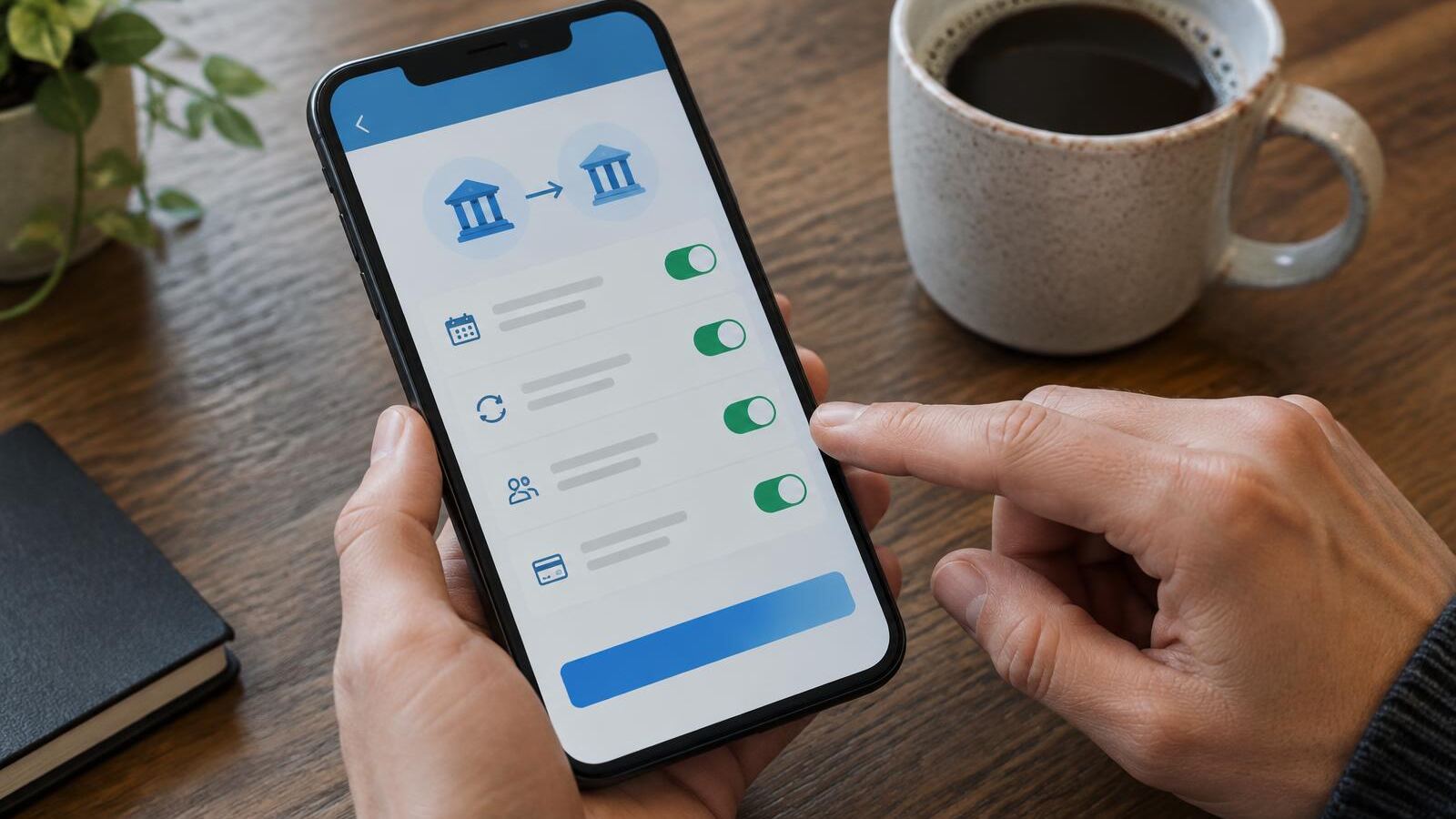
The most common method is an automatic transfer from checking to savings scheduled for payday or the day after. Most banks let you set this up online in a few minutes. Some employers let you split your direct deposit so part of each paycheck goes straight into a savings account and never touches checking at all.
If your employer offers a retirement plan, such as a 401(k) or 403(b), contributions taken directly from your paycheck are a built-in form of paying yourself first. The money is invested before you ever see it, and contributions to traditional accounts also reduce your taxable income.
How much to save
There is no single right number. The best amount is one you can sustain. If money is tight, start with 1% to 5% of your take-home pay. Even a small amount builds the habit, and the habit matters more than the size of the first transfer.
From there, increase your savings gradually. A good rule is to raise your savings rate whenever your income rises or a recurring expense goes away. If you get a raise, send part of it to savings before you get used to the bigger paycheck. If you pay off a car loan or credit card, redirect that monthly payment to savings. Because you were already living without that money, you won’t miss it.
Many people eventually aim to save 15% or more of their income for retirement, plus additional amounts for other goals. But you don’t need to start there. Progress is progress.
Where to put the money
Paying yourself first doesn’t mean all savings go to one place. Most people benefit from dividing it among a few priorities.
An emergency fund comes first for many. Keeping several months of essential expenses in a high-yield savings account protects you from relying on credit cards when something unexpected happens.
Retirement accounts deserve attention early, especially if your employer offers a matching contribution. A match is essentially extra compensation, and not contributing enough to get it means leaving money on the table. An individual retirement account, or IRA, is another option if you don’t have a workplace plan or want to save more.
Sinking funds are small savings buckets for predictable future expenses like car repairs, holidays, insurance premiums or annual subscriptions. Saving for them monthly keeps them from turning into credit card debt.
You might also save for larger goals, such as a down payment on a home, a wedding or starting a business. Keeping these in separate accounts makes it easier to track progress and resist dipping into them.
Make sure the bills are still covered
Paying yourself first works best alongside a simple budget. You want to be confident that after your savings transfer, there is still enough to cover rent, utilities, groceries, transportation and minimum debt payments. If the transfer leaves you short every month, you may end up pulling money back out of savings or turning to credit cards, which defeats the purpose.
Keeping a small buffer in checking helps avoid overdrafts if a bill arrives earlier than expected. If you find yourself short regularly, lower the transfer amount for now and increase it later rather than abandoning the habit.
The long-term payoff
Paying yourself first won’t make you wealthy overnight. Its power comes from consistency. Small amounts saved every payday, and increased over time, compound into real financial security. Years from now, you will be glad you treated your future self as the most important bill you pay.
Content on The Evergreen Edit is for educational and informational purposes only and is not individualized financial, investment, tax or legal advice. Learn more.
This article is for educational purposes only and isn't personalized financial, tax or legal advice. Consider talking with a qualified professional about your situation.

Kiara Miller — Founder & Editor
Kiara Miller is the founder and editor of The Evergreen Edit. He has been doing independent finance research for two decades and reviews every article before it's published.
More about Kiara →Get smarter about your money.
Join readers who get The Sunday Edit every week.