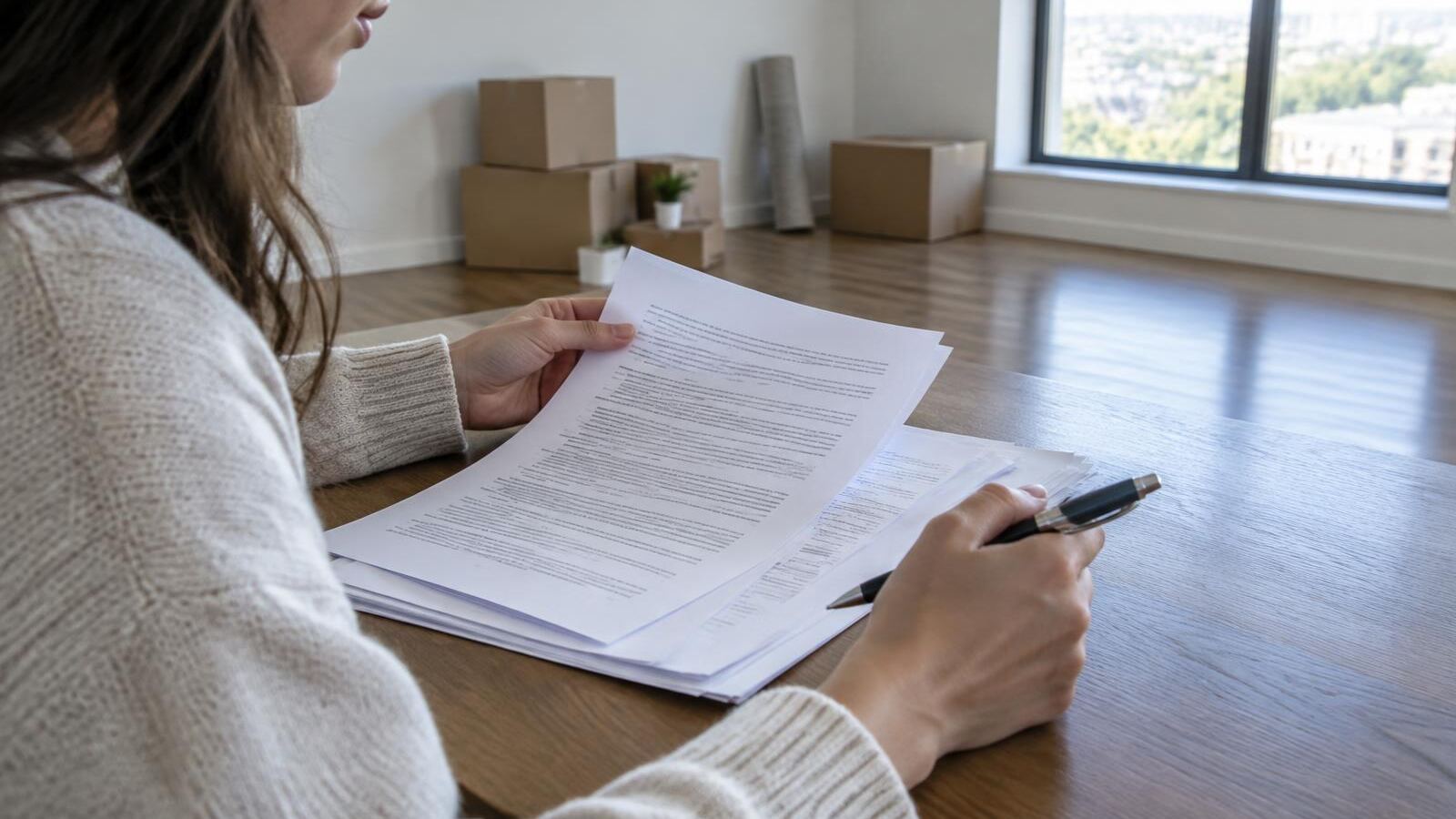
Signing a lease is easy to rush. You've found an apartment you like, the landlord is waiting and there may be other applicants interested in the same place. But a lease is a legally binding contract, often lasting a year or more, and it controls your rent, your deposit, your responsibilities and how you can leave. Taking a little extra time to read it carefully can save you money, stress and disputes down the road.
Start with the basics
Every lease should clearly identify everyone who is signing it, including all tenants and the landlord or property management company. Make sure the names are correct. The lease should also state the exact start and end dates of the lease term.
Next, look closely at the rent. The lease should list the monthly amount, the due date, accepted payment methods and whether there's a grace period before rent is considered late. Check the late fee policy, including how much the fee is and when it applies. Also look for fees for returned payments, such as a bounced check.
Understand the security deposit
The security deposit is often one of the largest upfront costs of renting, so it deserves careful attention. The lease should state the deposit amount and explain what it can be used for, such as unpaid rent or damage beyond normal wear and tear.
Many states and cities have laws that limit how much a landlord can charge for a security deposit and set deadlines for returning it after you move out. Many also require landlords to provide an itemized list of any deductions. Look up the rules for your state or city so you know your rights. Your state attorney general's office or local housing authority often provides tenant guides online.
Look for extra fees and costs
Rent is often just the starting point. Check the lease for additional charges, such as application fees, pet deposits or monthly pet rent, parking fees, trash or amenity fees and administrative fees. The lease should also explain which utilities you're responsible for, such as electricity, gas, water, internet or trash service.
Add these costs together to understand your true monthly housing cost. A slightly cheaper rent can turn out to be more expensive once fees and utilities are included.
Know who handles repairs
Repairs are one of the most common sources of disputes between landlords and tenants. The lease should explain how to request repairs, how quickly the landlord will respond and what maintenance you're responsible for, such as changing light bulbs, replacing air filters or keeping drains clear.
In most places, landlords are required to keep rental properties livable, which typically includes working heat, running water, electricity and a structure in safe condition. Always submit repair requests in writing, such as through email or an online portal, and keep copies. A written record can be important if a problem isn't addressed.
Rules that affect daily life
Leases often include rules that affect how you live in the home. Look for policies on guests, including how long guests can stay before they're considered tenants. Check rules about roommates and whether you can add someone to the lease. Pet policies should explain whether pets are allowed, which types and any deposits or fees.
Many leases restrict changes to the unit, such as painting walls, hanging shelves or installing fixtures. Subletting rules explain whether you can rent your unit to someone else if you need to leave temporarily. The lease should also explain when and how the landlord can enter your unit, including how much notice they must give, which is often regulated by state law.
Know how to end the lease
Life can change unexpectedly, so it's important to understand what happens if you need to move before the lease ends. Some leases charge an early termination fee, while others require you to keep paying rent until a new tenant is found. Some states have laws that limit a landlord's ability to charge rent after you leave or require them to make reasonable efforts to re-rent the unit.
Also check whether your lease renews automatically at the end of the term, and how much notice you must give before moving out. Missing a notice deadline could leave you responsible for extra rent.
Before you sign
Take dated photos or video of every room before you move in, documenting any existing damage, such as scratches, stains or broken fixtures. Many landlords provide a move-in checklist; fill it out carefully and keep a copy. This documentation can be invaluable when you move out and want your full deposit back.
Consider getting renters insurance, which protects your belongings and provides liability coverage. Some leases require it, and it's typically affordable. Finally, keep a signed copy of your lease somewhere safe where you can easily find it.
Know your rights
The federal Fair Housing Act prohibits housing discrimination based on race, color, national origin, religion, sex, familial status and disability. Many states and cities offer additional protections. If you believe you've been treated unfairly, you can contact the U.S. Department of Housing and Urban Development or your local fair housing agency.
A lease may seem like routine paperwork, but reading it carefully protects your money and your peace of mind for the entire time you live there.
Content on The Evergreen Edit is for educational and informational purposes only and is not individualized financial, investment, tax or legal advice. Learn more.
This article is for educational purposes only and isn't personalized financial, tax or legal advice. Consider talking with a qualified professional about your situation.

Kiara Miller — Founder & Editor
Kiara Miller is the founder and editor of The Evergreen Edit. He has been doing independent finance research for two decades and reviews every article before it's published.
More about Kiara →Get smarter about your money.
Join readers who get The Sunday Edit every week.