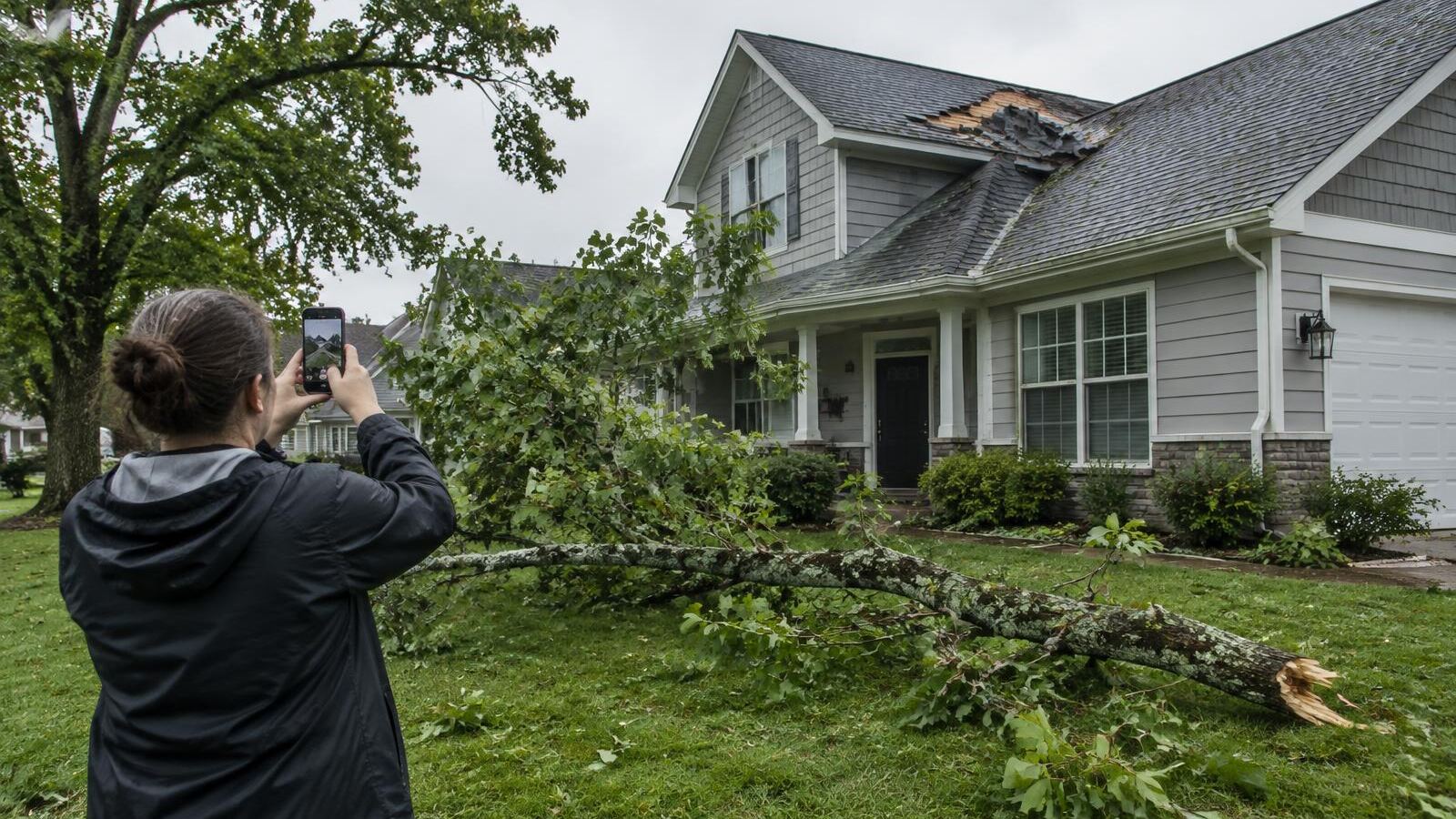
A little organization in the first few days can make the whole claims process faster, fairer and less stressful.
When a storm damages your home, it can feel overwhelming. There's cleanup to do, family to check on and, often, no power. In the middle of all that, you also need to deal with your insurance company. The good news is that the claims process follows a fairly predictable path, and knowing the steps ahead of time can help you get the money you're owed without unnecessary delays.
This guide walks through how a typical homeowners or renters insurance claim works. Your policy and your state's rules may differ, so always read your own policy and ask your insurer when something isn't clear.
Step 1: Make sure everyone is safe
Before you think about paperwork, make sure your family is safe. Stay away from downed power lines, standing water that could be electrified and damaged structures that might collapse. If your home isn't safe to live in, find somewhere else to stay and keep receipts, because your policy may help pay for that.
Once it's safe, you can start the claim. Most insurers let you file by phone, through an app or on their website, and many open dedicated hotlines after big storms.
Step 2: Document everything before you clean up
Photos and videos are the most powerful tools you have. Before you move anything or start repairs, walk through your home and record all of the damage, inside and out. Capture wide shots of each room and close-ups of specific damage, like a water stain on the ceiling or a broken window. Photograph damaged belongings too, and note the brand and model of larger items when you can.
If you made a home inventory before the storm, now is when it pays off. If you didn't, receipts, bank statements and even old photos on your phone that show your belongings can help you prove what you owned.
Step 3: Prevent more damage
Most policies expect you to take reasonable steps to keep damage from getting worse. That could mean covering a hole in the roof with a tarp, boarding up a broken window or drying out wet carpet to stop mold. Your insurer generally won't pay for new damage that happens because you didn't act.
Keep it to temporary fixes, though. Hold off on permanent repairs until an adjuster has seen the damage or your insurer says it's okay to proceed. Save every receipt for supplies and emergency work, since these costs are often reimbursed.
Step 4: Understand your coverage
This is a good moment to pull out your policy, especially the declarations page, which is a summary of your coverage limits and deductibles. A few terms matter most after a storm.
Your deductible is the amount you pay before insurance kicks in. In storm-prone areas, policies often have a separate hurricane or windstorm deductible that's a percentage of your home's insured value rather than a flat dollar amount. A 2% deductible on a home insured for $300,000, for example, means you'd cover the first $6,000.
It's also important to know what isn't covered. Standard homeowners and renters policies generally don't cover flooding, including storm surge, which requires a separate flood insurance policy. Wind damage, falling trees and damage from wind-driven rain coming through a damaged roof are more often covered.
Finally, look for "loss of use" or "additional living expenses" coverage. If your home can't be lived in while it's repaired, this part of your policy may help pay for a hotel, meals and other extra costs above your normal spending.
Step 5: Work with the adjuster
After you file, your insurer will assign an adjuster, the person who inspects the damage and estimates what the company should pay. After a major storm, it can take a while for an adjuster to reach you, because thousands of people are filing at once.
When the adjuster comes, walk through the damage together and share your photos, receipts and any repair estimates you've gotten. Take notes on what they say and ask for their estimate in writing. It's a good idea to keep a simple claim log with the date, the person you spoke with and what was discussed every time you contact your insurer.
Step 6: Review the offer carefully
Your insurer will send a settlement offer based on the adjuster's estimate. Compare it line by line with your own contractor estimates. Insurers sometimes miss damage, especially hidden damage like wet insulation or problems that show up after the initial inspection.
Some policies pay "actual cash value," which subtracts depreciation for the age of the item, while others pay "replacement cost," which covers what it costs to replace the item with a new one. With replacement cost coverage, you may get an initial payment first and the rest after repairs are finished. If you have a mortgage, your lender's name may appear on the check for repairs to the structure, which means you'll need to work with them to release the money.
What to do if you disagree
If the offer seems too low, you don't have to accept it right away. Start by asking your insurer to explain how it reached the figure and send any additional evidence, such as a second contractor estimate. Many policies include an appraisal process, where you and the insurer each hire an appraiser to settle disagreements about the amount of the loss.
You can also file a complaint with your state's department of insurance, which regulates insurance companies and can look into slow or unfair claim handling. Some homeowners hire a public adjuster, who works for you rather than the insurer, to manage a large or complicated claim. Public adjusters usually charge a percentage of the settlement, so ask about fees and check their license first. For big disputes, an attorney who handles insurance cases may also be an option.
Watch out for storm scams
Disasters attract scammers. Be cautious of contractors who knock on your door, demand large upfront payments, pressure you to sign right away or offer to handle your claim for you. Check licenses with your state, get written estimates and never sign over your insurance benefits to a contractor without understanding exactly what that means.
This article is for education only and is not financial advice. Everyone's situation is different.
Content on The Evergreen Edit is for educational and informational purposes only and is not individualized financial, investment, tax or legal advice. Learn more.
This article is for educational purposes only and isn't personalized financial, tax or legal advice. Consider talking with a qualified professional about your situation.

Kiara Miller — Founder & Editor
Kiara Miller is the founder and editor of The Evergreen Edit. He has been doing independent finance research for two decades and reviews every article before it's published.
More about Kiara →Get smarter about your money.
Join readers who get The Sunday Edit every week.