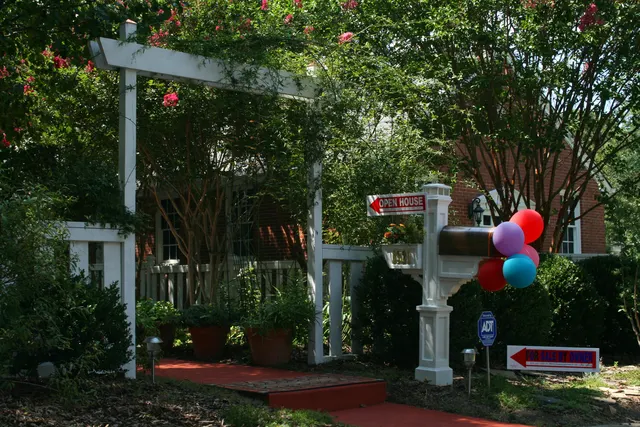
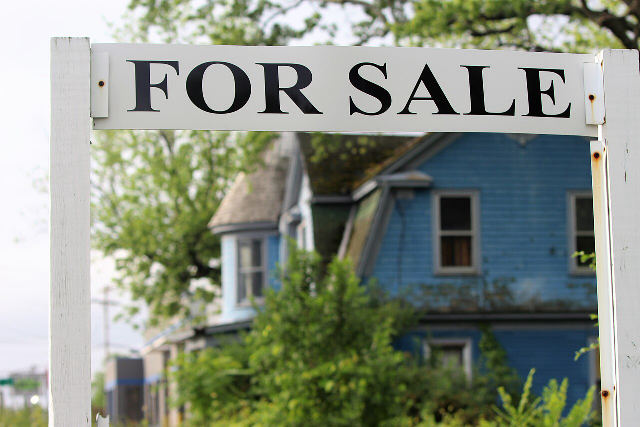
Builders broke ground on more homes last month, yet they pulled fewer permits for the months ahead, a sign that many expect a slow winter for buyers.
What did the October housing starts report show?
Builders started new homes at a seasonally adjusted annual rate of 1,309,000 in October, up 9.9% from September, the Census Bureau and HUD said Wednesday, Nov. 18. But building permits, an early signal of future construction, fell 7.4% to a 1,295,000 pace, and single-family permits dropped 8.7%.
The numbers come from the government's New Residential Construction report for October 2026, released at 8:30 a.m. Eastern time. September's starts were revised to a 1,191,000 pace, so October's jump looks big. Compared with October 2025, total starts were up 2.8%.
There is an important footnote. The Census Bureau puts a margin of error of plus or minus 16.8 percentage points on the monthly change in total starts. Because that range includes zero, the agency says the increase is not statistically significant. In plain English, October may have been a solid month for groundbreakings, but one month of this data can swing a lot and is often revised.
Single-family homes versus apartments
Most of the October jump came from larger apartment buildings. Starts in buildings with five or more units rose to a 433,000 pace, up from 345,000 in September. Single-family starts, the number most home buyers care about, rose a more modest 4.0% to 864,000, according to the release and Reuters' report on the data. That is still 3.2% below October 2025.
Permits tell a weaker story. Single-family permits fell to a 772,000 pace from 846,000 in September, and they were 12.9% lower than a year earlier. Permits for buildings with five or more units slipped 5.2% to 475,000. Since builders usually pull permits before they break ground, fewer permits now often means fewer new homes for sale later.
Homes finished is the third piece. Completions rose 6.5% to a 1,272,000 pace, but they were 10.4% lower than a year earlier. Single-family completions came in at 900,000.
Why builders are pulling back
Builders are dealing with weak demand and high costs at the same time. A day earlier, the National Association of Home Builders said its builder confidence index fell 4 points to 25 in November, the lowest reading since April 2012. Any reading under 50 means more builders see conditions as poor than good.
The same survey found 46% of builders cut prices in November, the highest share since the pandemic, with an average cut of 6%. And 68% offered sales incentives, which can include help with closing costs or paying to lower a buyer's mortgage rate. NAHB Chief Economist Robert Dietz pointed to "mortgage rates above 7%, softer consumer confidence and an uncertain economic outlook" as reasons buyers are holding back. Reuters reported that the 30-year fixed mortgage rate averaged 7.18% last week, according to Freddie Mac.
What this means for your wallet
For buyers, the mix of falling permits and frequent price cuts points in two directions. In the short run, builders with finished or nearly finished homes may be more willing to negotiate. Over the longer run, fewer permits could mean fewer new homes to choose from once demand picks up again.
If you are shopping for a new home, it helps to compare the two most common builder deals: a lower price or a lower interest rate. Here is an example with round numbers. They are illustrations only, not quotes from any builder or lender.
Say a new home is listed at $400,000. You put 20% down and borrow $320,000 for 30 years at 7.18%. Your monthly principal and interest would be about $2,168.
Option 1 is a 6% price cut, matching the average cut builders reported. The price drops to $376,000, your 20% down payment falls to $75,200, and your loan shrinks to $300,800. The monthly payment falls to about $2,038, a savings of roughly $130 a month, and you need $4,800 less in cash at closing.
Option 2 is a rate buydown worth one percentage point, taking your rate to 6.18% on the full $320,000 loan. The monthly payment falls to about $1,956, a savings of roughly $212 a month.
The buydown wins on the monthly payment in this example, but the price cut has its own advantages. A lower price means a smaller loan balance, lower property taxes in many areas, and a lower starting point if you refinance later. Some buydowns are also temporary, lasting only one to three years, so ask whether a lower rate is for the life of the loan. Our guide to mortgage points and break-even math walks through how to judge whether a lower rate is worth what it costs.
Before you sign, a few checks can help:
- Ask the builder for the incentive in writing and whether it requires using the builder's own lender.
- Get at least one outside loan estimate so you can compare rates and fees side by side.
- Read our guide to closing costs and check whether the builder's credit covers them.
- Make sure the payment fits your budget with taxes and insurance included. Our guide on how much house you can afford shows a simple way to find your number.
The next housing starts report, for November, is scheduled for Dec. 17.
Frequently asked questions
What are housing starts?
Housing starts count new homes on which construction began during the month, reported as a seasonally adjusted annual rate. The Census Bureau and HUD publish them monthly with building permits and completions.
Why do building permits matter to home buyers?
Builders usually get permits before they begin building, so permits hint at how many new homes will come later. Falling permits can mean fewer new homes for sale in the months ahead.
Is a builder price cut or a rate buydown better?
It depends on the numbers and how long you plan to keep the loan. A buydown can lower the monthly payment more, while a price cut lowers the loan balance and down payment, so compare both in writing.
Sources
- U.S. Census Bureau and HUD, New Residential Construction, October 2026, November 18, 2026
- Reuters via KELO, US single-family housing starts rebound in October; building permits plunge, November 18, 2026
- National Association of Home Builders, Builder Sentiment Continues to Fall on Affordability Concerns, November 17, 2026
Content on The Evergreen Edit is for educational and informational purposes only and is not individualized financial, investment, tax or legal advice. Learn more.
Which money-saving habit will you focus on next?
This article is for educational purposes only and isn't personalized financial, tax or legal advice. Consider talking with a qualified professional about your situation.

Kiara Miller — Founder & Editor
Kiara Miller is the founder and editor of The Evergreen Edit. He has been doing independent finance research for two decades, is a tax preparer, and reviews every article before it's published.
More about Kiara →Get smarter about your money.
Join readers who get money stories on their chosen topics, daily or as new articles post.