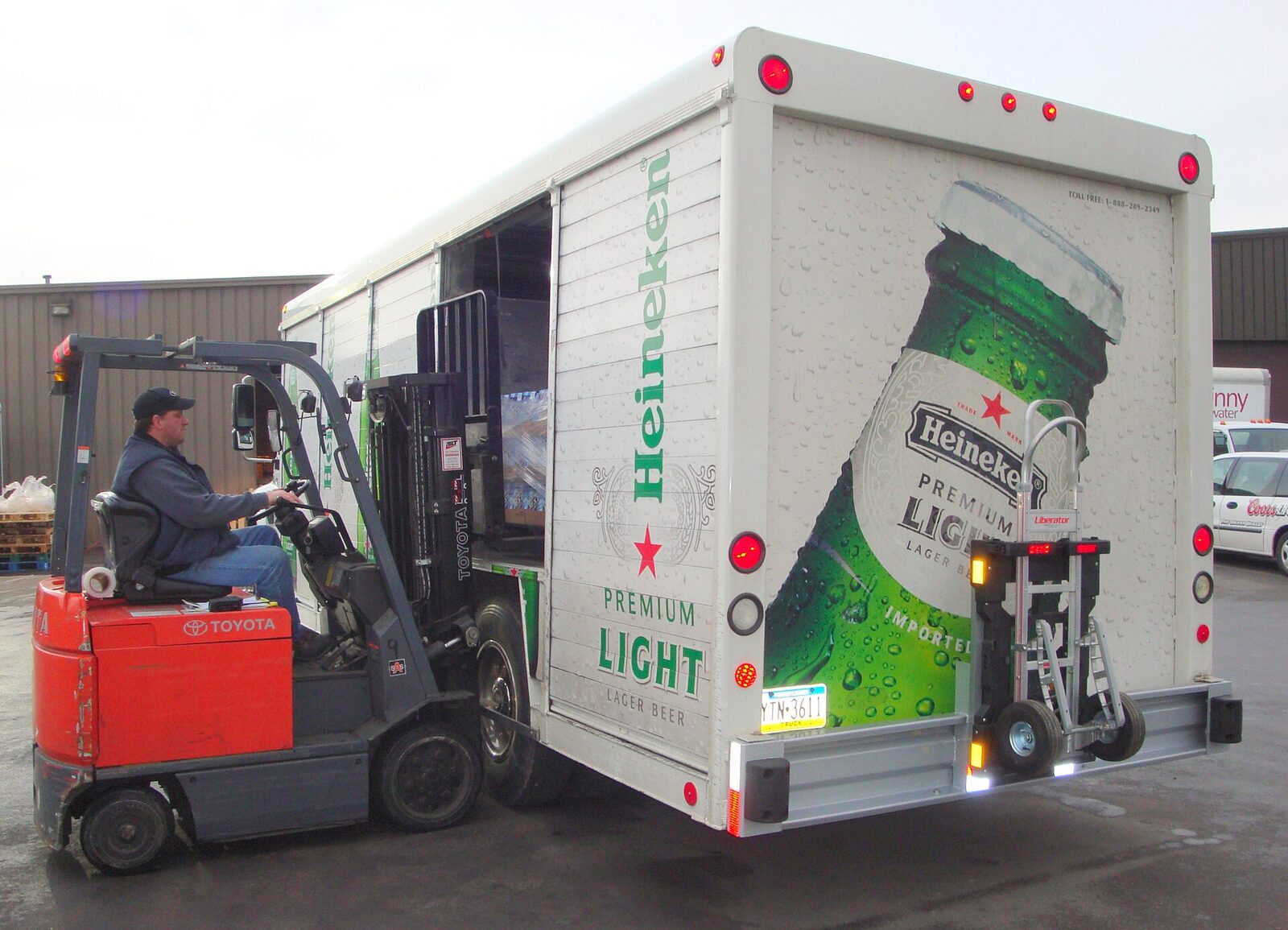
The deal is aimed at helping neighborhood stores buy at fairer prices, which could matter for small business owners and the shoppers who rely on them.
On Oct. 2, the Federal Trade Commission (FTC) announced a settlement with Southern Glazer's Wine and Spirits. Southern Glazer's is the largest wine and spirits distributor in the country. A distributor is a middleman. It buys from makers and sells to the stores, bars and restaurants that sell to you.
The FTC had accused the company of charging small, independent stores more than big chains for the same products. The Associated Press reported that the company has said it did nothing wrong.
What the case was about
The FTC sued Southern Glazer's in December 2024. It claimed the company gave big chains like Total Wine, Walmart and Kroger discounts and rebates that it did not offer to smaller stores, according to the AP. Sometimes those stores were just blocks apart.
A rebate is money paid back to a buyer after a purchase. It works like a discount that shows up later.
The case relied on the Robinson-Patman Act, a law from 1936. In general, it makes it illegal for a seller to charge different prices to stores buying similar goods when that hurts competition. The AP noted the law allows volume discounts when a seller can show real cost savings from selling in bulk. The FTC had not used the law much for decades, so this case drew wide attention.
What the settlement does
The settlement is a proposed court order. It takes effect once a federal judge in California approves and signs it. The FTC's commissioners voted 2-0 to accept it.
Here are the main terms, based on the FTC's announcement and reporting by the AP and Reuters:
- Six years of oversight. An independent monitor will watch Southern Glazer's pricing for six years and review detailed records twice a year.
- 26 states. The order covers the company's sales in 26 states, including California, Florida, New York and Texas.
- Payments to stores. The order looks at "paired" sales, where Southern Glazer's sells the same product to a chain store and a nearby independent store. If the price gap is large, or adds up to more than $5,000 over 12 months, the company can fix it by paying the small store 1.5 times the difference.
- Bigger penalty for ignoring it. If the company does not make things right and the FTC wins in court, it must pay double the difference.
Daniel Guarnera, director of the FTC's Bureau of Competition, said the settlement "marks a significant milestone for the FTC in its enforcement of the Robinson-Patman Act, which Congress enacted to empower small businesses to compete against large ones."
Two sides to the deal
Southern Glazer's did not admit wrongdoing. Alan Greenspan, the company's chief legal officer, said: "Southern Glazer's Wine and Spirits did not violate—and is not violating—the Robinson-Patman Act." The AP reported he also said the company does not expect the deal to require major business changes.
FTC Chairman Andrew Ferguson had opposed bringing the lawsuit, according to Reuters and the AP. The AP reported he called the settlement "the best outcome for all parties." In a written statement, Ferguson argued the case was more about store profit margins than about shoppers paying too much.
Some small-business advocates wanted more. Ron Knox and Reggie Rucker of the Institute for Local Self-Reliance, a group that backs independent businesses, wrote that the deal "falls short of creating the precedent and deterrent needed to curb the rampant price discrimination and corporate bullying throughout the retail economy." They pointed out that there is no payment for past overcharges.
What this means for your wallet
If you shop at a local store, this deal will not change shelf prices overnight. The FTC said the goal is to level the playing field for small businesses and make it easier for shoppers to find lower-priced wine and spirits at local stores. Whether that happens will depend on how the order works in practice.
Still, the case shows something useful about prices in general. A small store may charge more partly because it pays more for the same product. When you compare stores, it may help to remember:
- Big chains often get better deals from suppliers, which can let them charge less.
- Small stores may offer other value, such as convenience, advice or a short drive that saves gas and time.
- Comparing the total cost of a trip can be smarter than chasing the lowest sticker price.
If you own a small business, this case is a reminder that pricing rules exist to protect you. Some small retailers may want to keep good records of what they pay suppliers. If you think a supplier is treating you unfairly, you can report it to the FTC.
If you invest, the case is part of a wider debate over how much power the biggest companies have over prices. Rules like this could affect how suppliers price for big and small buyers over time.
This article is for education only and is not financial advice. Everyone's situation is different.
Content on The Evergreen Edit is for educational and informational purposes only and is not individualized financial, investment, tax or legal advice. Learn more.
This article is for educational purposes only and isn't personalized financial, tax or legal advice. Consider talking with a qualified professional about your situation.

Kiara Miller — Founder & Editor
Kiara Miller is the founder and editor of The Evergreen Edit. He has been doing independent finance research for two decades and reviews every article before it's published.
More about Kiara →Get smarter about your money.
Join readers who get The Sunday Edit every week.