One of America's biggest automakers is catching up to what many drivers already want, but if you need a car soon, the bigger lesson is about comparing total costs.
General Motors confirmed on Monday, Oct. 5, that hybrid vehicles are coming to its U.S. lineup. In an interview with CNBC, Mike Anderson, a GM vice president who leads propulsion engineering, said hybrids are "part of the plan."
"We're not tone deaf to our customers," Anderson said. "We know what they want and we want to give that to them as quickly as we can."
He did not say when the first models would arrive or which vehicles would get hybrid versions.
Why this is news
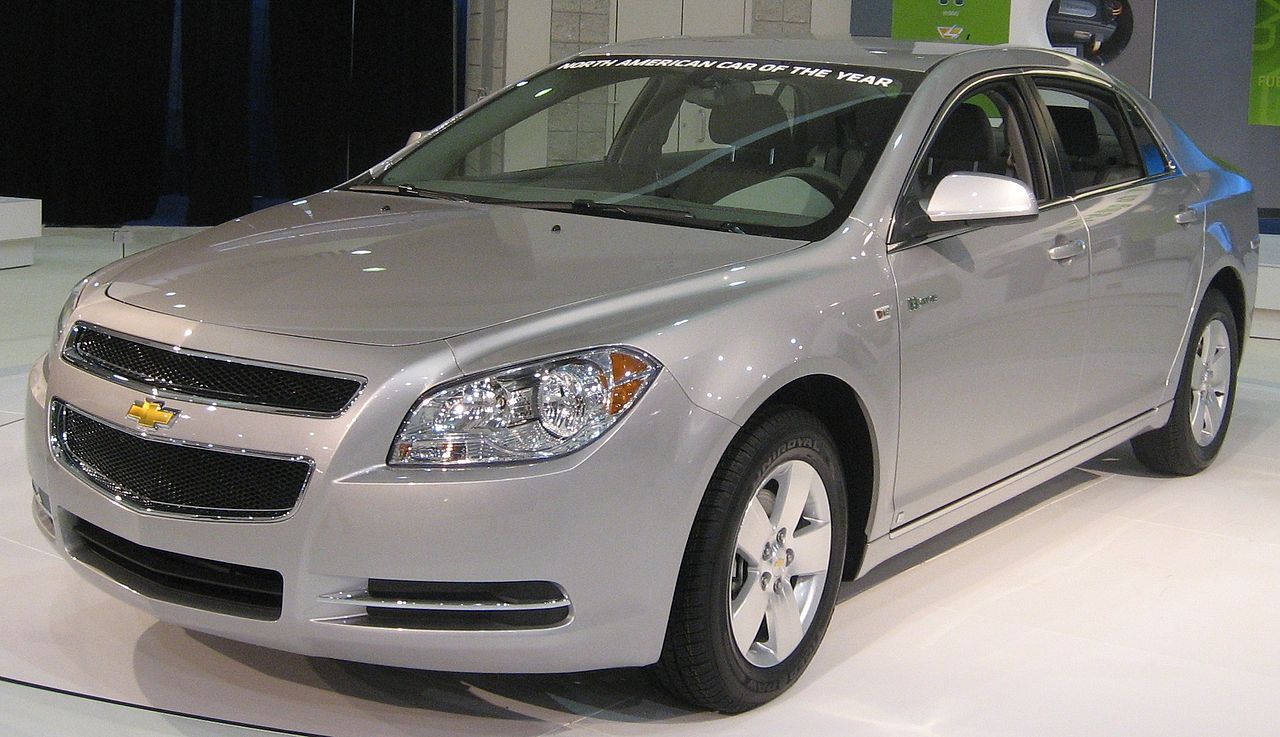
GM has focused heavily on fully electric vehicles in recent years. According to Quartz, its only current hybrid is a version of the Chevrolet Corvette, and the company stopped selling the Chevrolet Volt, a plug-in hybrid, in 2019. Meanwhile, rivals such as Toyota have sold many hybrids for years.
According to Quartz, Anderson said GM would use both its own engineering and outside suppliers to build hybrid systems, and that the company needs to "control our own destiny" on the technology.
The shift reflects what buyers are doing. According to Kelley Blue Book, Americans bought 2.2% fewer new cars in the first half of 2026 than a year earlier, but 9% more hybrids. Electric vehicles made up 5.8% of new car sales in the second quarter.
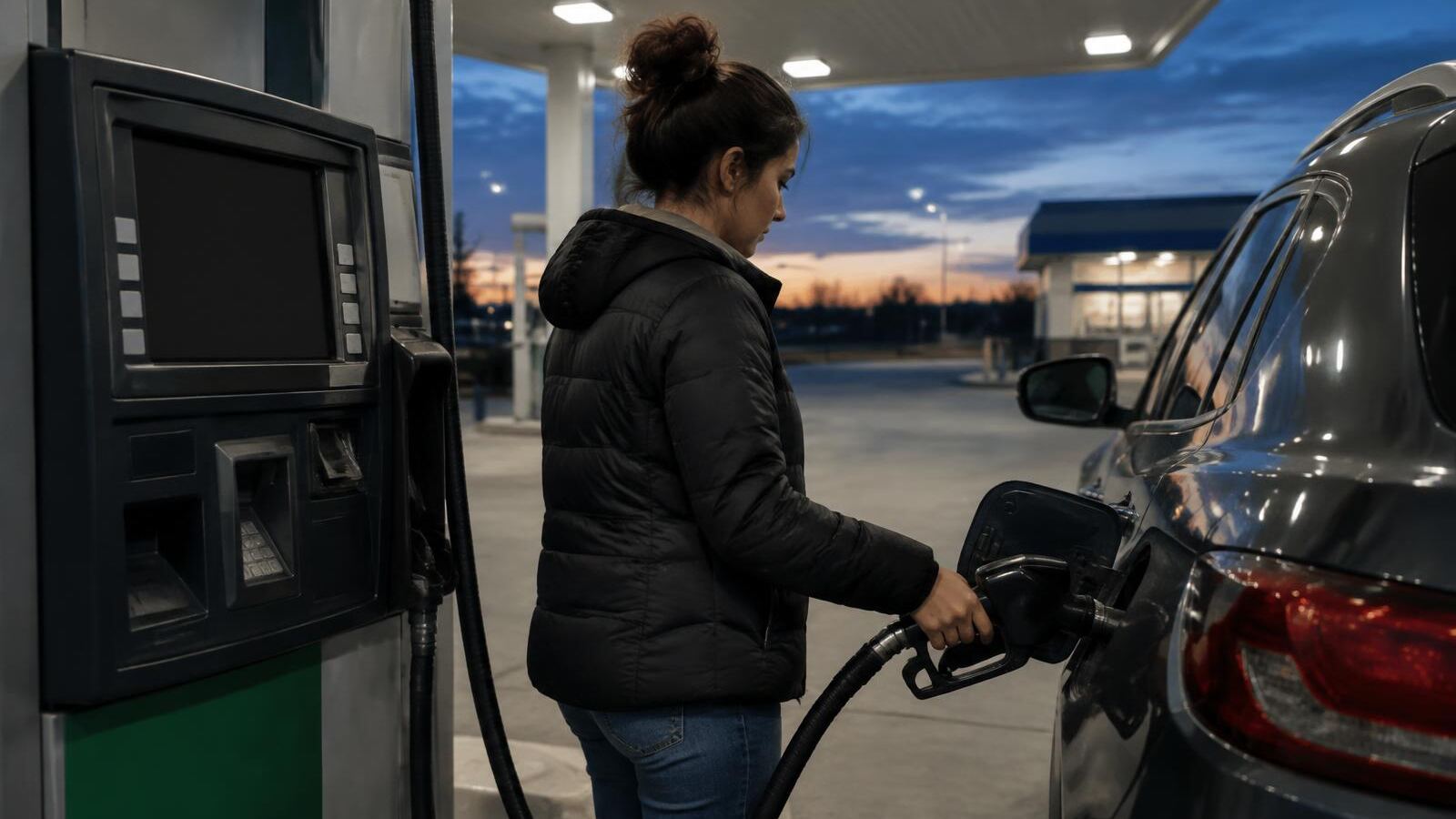
Gas prices are part of the story too. The national average for regular gas was about $4.37 a gallon at the start of this week, compared with about $3.13 a year ago, according to AAA.
Hybrid, plug-in hybrid and EV: a quick guide
- Hybrid: Has a gas engine plus an electric motor and a small battery. The battery charges itself while you drive and brake. You fill up with gas like a normal car, just less often.
- Plug-in hybrid (PHEV): Has a bigger battery you can charge from an outlet. It can drive a limited distance on electricity alone, then switches to gas.
- Electric vehicle (EV): Runs only on a battery that you charge. No gas at all.
Each type fits a different lifestyle. A hybrid needs no change in habits. A plug-in hybrid works best if you can charge at home and drive short daily distances. An EV works best if charging is easy where you live and drive.
What this means for your wallet
If you need a car now, GM's announcement probably shouldn't change your plans, since no timeline was given. But it's a good reminder of how to compare cars:
- Look at total cost, not just sticker price. Add up the expected costs of fuel, insurance, maintenance and financing over the years you plan to keep the car. A hybrid that costs more upfront can cost less overall if you drive a lot.
- Estimate your fuel savings. Take the miles you drive each year, divide by each car's miles per gallon, and multiply by the local gas price. Compare the results.
- Check insurance quotes before you buy. Premiums can differ quite a bit between models.
- Watch your loan rate. With interest rates high, financing can add thousands to the cost of a car. A bigger down payment or a shorter loan may lower what you pay in interest.
- Don't feel rushed. New hybrid options from several automakers could give buyers more choices over the next few years.
If your current car is reliable, keeping it a little longer while you save for a bigger down payment may also be worth considering.
This article is for education only and is not financial advice. Everyone's situation is different.
Content on The Evergreen Edit is for educational and informational purposes only and is not individualized financial, investment, tax or legal advice. Learn more.
This article is for educational purposes only and isn't personalized financial, tax or legal advice. Consider talking with a qualified professional about your situation.

Kiara Miller — Founder & Editor
Kiara Miller is the founder and editor of The Evergreen Edit. He has been doing independent finance research for two decades and reviews every article before it's published.
More about Kiara →Get smarter about your money.
Join readers who get The Sunday Edit every week.