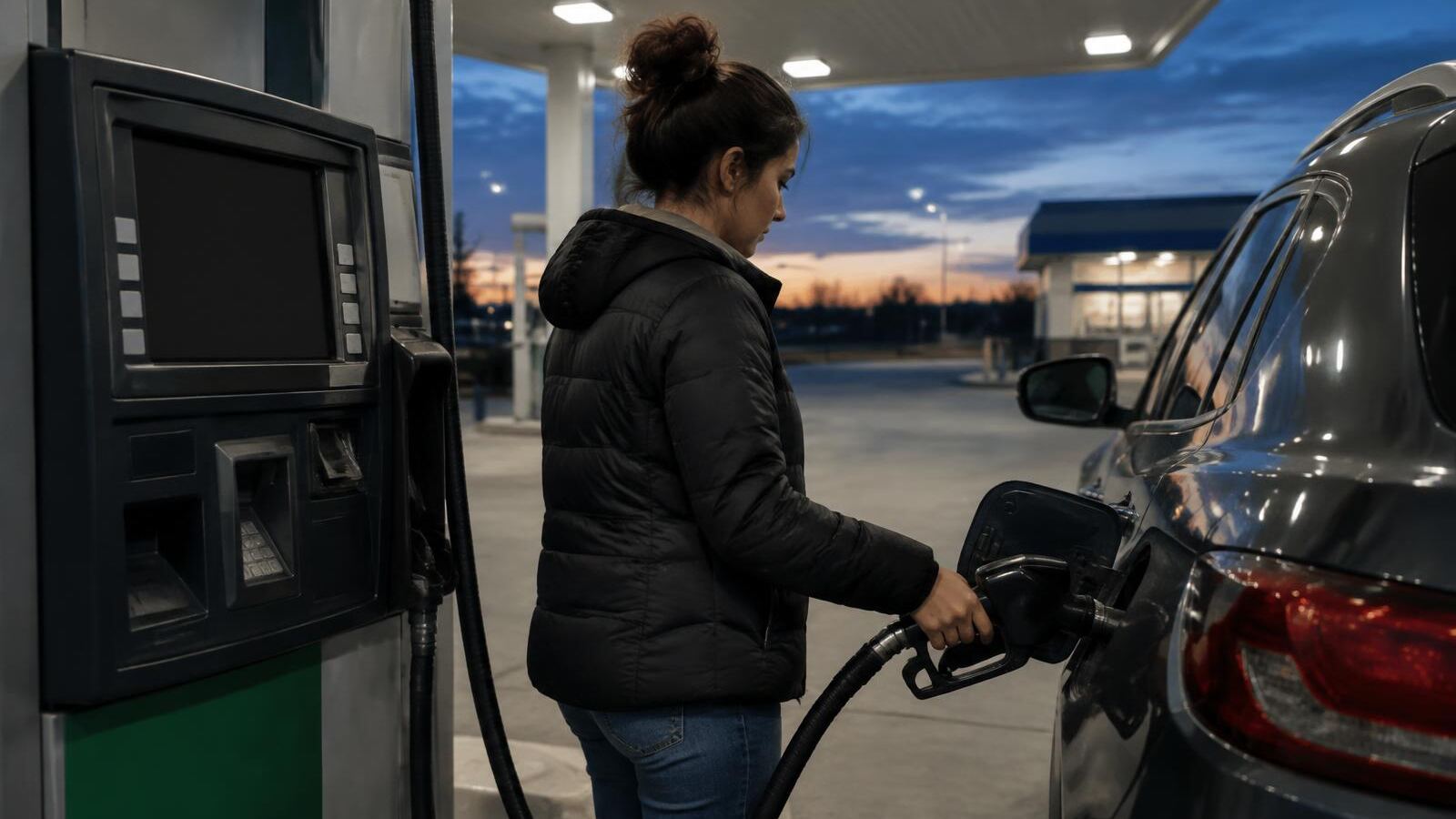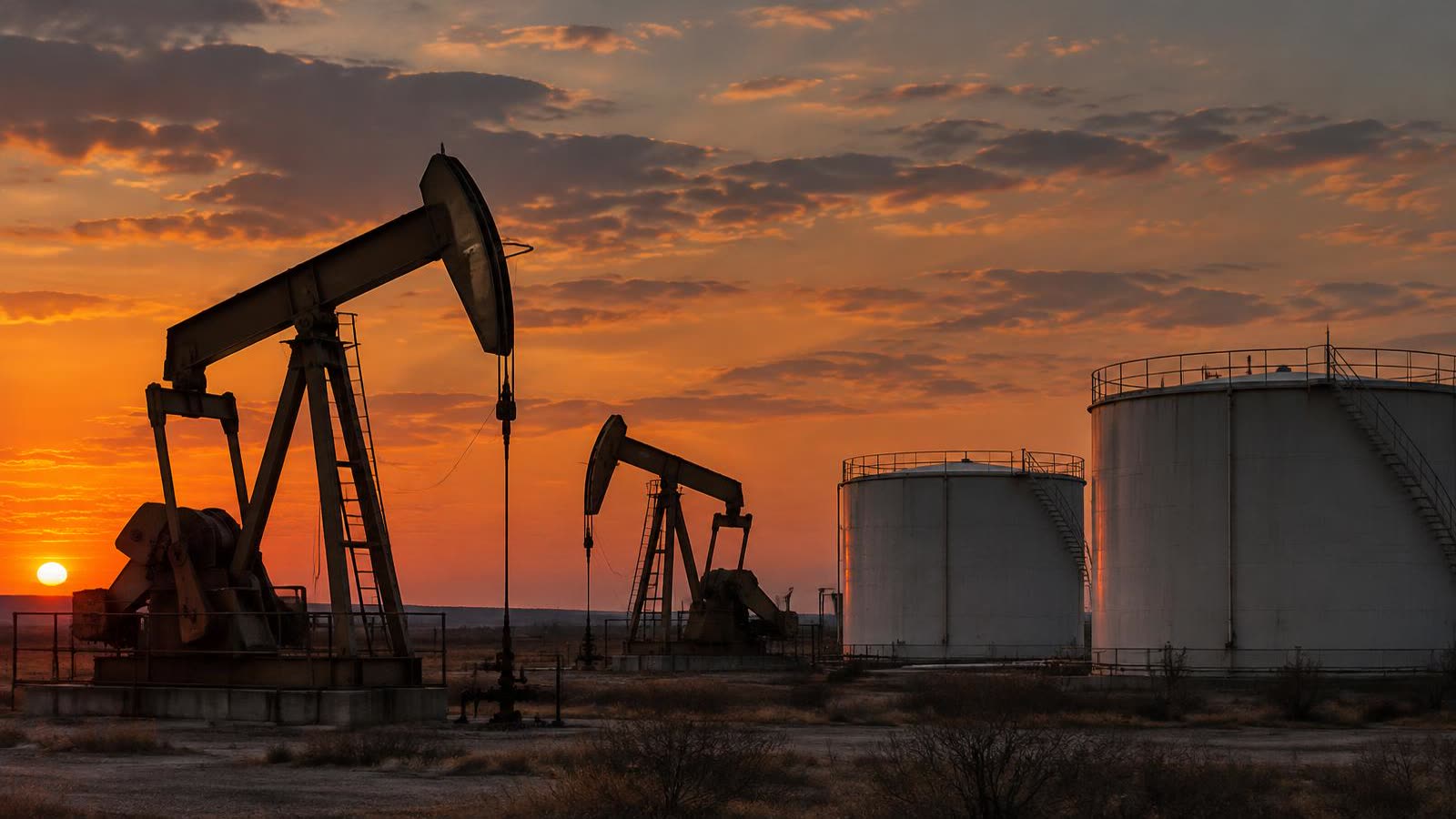
Two big oil decisions in three days pull in opposite directions, and the price you pay at the pump sits in the middle.
On Sunday, Oct. 4, 2026, seven core members of the OPEC+ oil group agreed to keep their oil production targets unchanged for November, according to Reuters. Two days earlier, on Oct. 2, the Group of Seven (G7) countries agreed to release up to 100 million barrels of oil and diesel from their emergency stockpiles, Bloomberg reported.
OPEC+ is a group of oil-producing countries that coordinates how much oil its members pump. The G7 is a group of seven large economies, including the United States. Both decisions matter for drivers, truckers and anyone who heats a home with oil, because oil is the main ingredient in gasoline, diesel and heating oil.
What OPEC+ decided
The seven countries (Saudi Arabia, Russia, Iraq, Kuwait, Algeria, Kazakhstan and Oman) met online and left their production ceilings where they were, Reuters reported. Their next meeting is set for Nov. 1.
But the targets are only part of the story. According to Reuters, these seven members pumped about 25 million barrels per day in August, roughly 5 million barrels per day below their levels before the war with Iran began in late February. Shipping through the Strait of Hormuz, a key route for Gulf oil, has been badly disrupted.
"The OPEC+ group of seven kept their production ceilings unchanged, in line with market expectations," UBS analyst Giovanni Staunovo told Reuters. "That said, despite rising flows through the Strait of Hormuz, their output levels remain well below quota. Consequently, the oil market remains tight."
A "tight" market means supply is barely keeping up with demand, which tends to keep prices high. Brent crude, a global benchmark, was above $100 a barrel, compared with about $73 before the war began, Reuters reported.
What the G7 decided
On Oct. 2, G7 nations and partners agreed to release up to 100 million barrels of oil and diesel over the next four months, with a large amount of diesel released in the first 20 days, according to Bloomberg. The release is coordinated by the International Energy Agency.
"We have all committed together to releasing these strategic reserves in the proportions I mentioned, with a focus on diesel," said French President Emmanuel Macron, according to Bloomberg. The United States approved an additional 40 million barrels from its Strategic Petroleum Reserve, the government's emergency oil supply, Bloomberg reported.
Bloomberg also noted that much of the volume had already been promised during an earlier release in March, so the amount of truly new supply may be smaller than the headline number.
What this means for your wallet
These moves will not flip prices overnight, but they could shape what you pay over the coming months.
- Gas prices: With OPEC+ holding steady and Gulf output still limited, crude prices may stay high. That could keep gas prices elevated even if they ease a bit.
- Diesel and shipping: Diesel powers trucks, trains and farm equipment. Extra diesel supply could ease pressure on shipping costs, which show up in the price of groceries and goods.
- Heating oil: Heating oil is similar to diesel. Households that heat with oil may want to compare suppliers and ask about price plans before winter.
- Budget for uncertainty: Fuel prices have swung a lot this year. Building a small cushion into your gas or heating budget may help absorb jumps.
This article is for education only and is not financial advice. Everyone's situation is different.
Content on The Evergreen Edit is for educational and informational purposes only and is not individualized financial, investment, tax or legal advice. Learn more.
This article is for educational purposes only and isn't personalized financial, tax or legal advice. Consider talking with a qualified professional about your situation.

Kiara Miller — Founder & Editor
Kiara Miller is the founder and editor of The Evergreen Edit. He has been doing independent finance research for two decades and reviews every article before it's published.
More about Kiara →Get smarter about your money.
Join readers who get The Sunday Edit every week.