Interest rates may sound like a topic for economists and central bankers, but they show up in your everyday financial life: in your mortgage payment, your car loan, your credit card bill and the interest your savings account earns. Understanding how interest rates work, and how they move through the economy, can help you make smarter decisions about borrowing and saving.
What interest rates are
An interest rate is the price of borrowing money, or the reward for lending or saving it. When you borrow money, whether through a mortgage, car loan or credit card, you pay interest to the lender. When you save money in an interest-bearing account, the bank pays you interest for the use of your money.
Interest rates are usually expressed as an annual percentage. The annual percentage rate, or APR, on a loan includes interest and certain fees, giving you a more complete picture of borrowing costs. On savings, the annual percentage yield, or APY, reflects the interest you’ll earn over a year, including compounding.
How the Federal Reserve influences rates
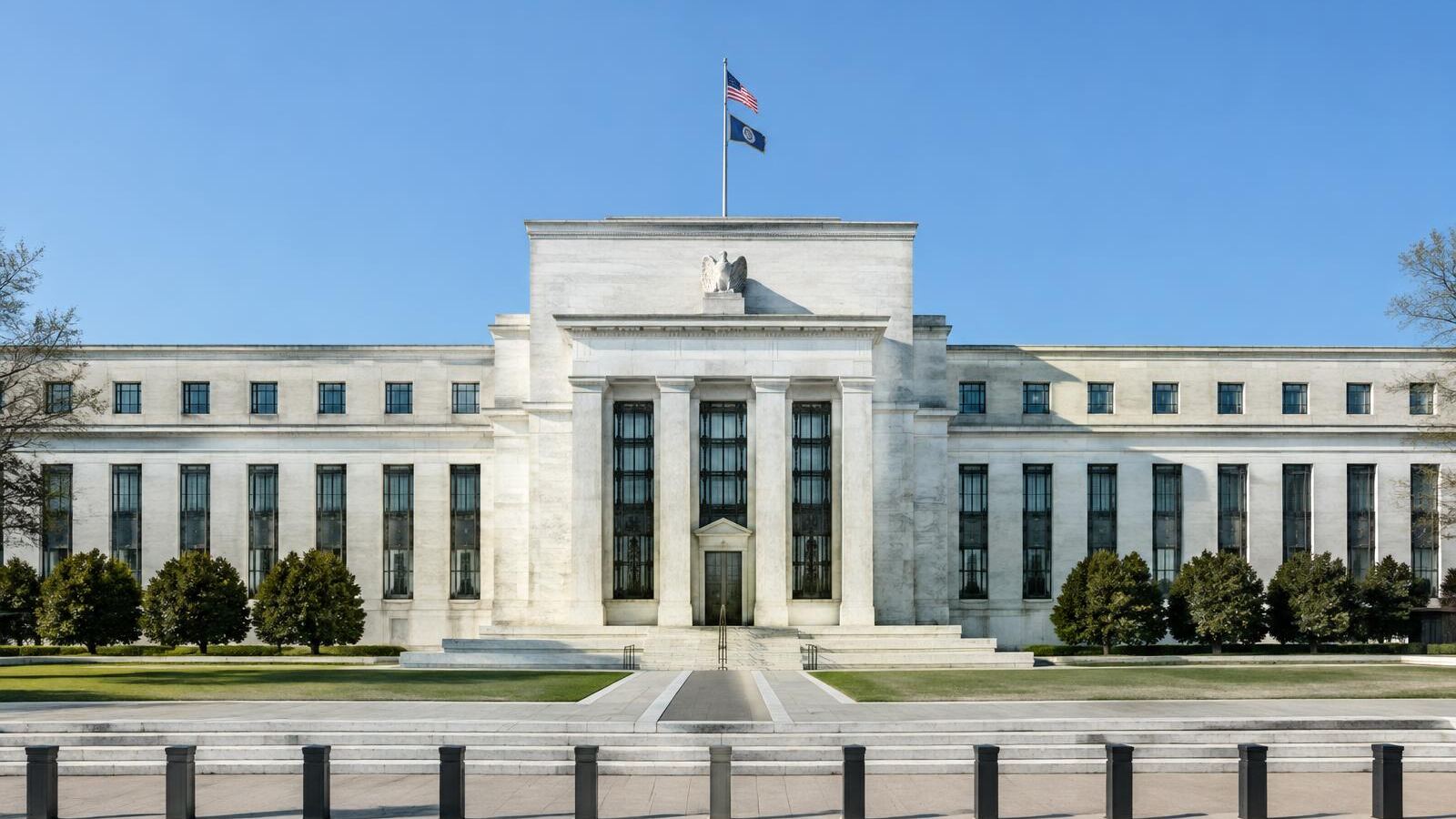
The Federal Reserve, the central bank of the United States, plays a major role in setting interest rates. Its Federal Open Market Committee sets a target range for the federal funds rate, which is the rate banks charge each other for overnight loans.
Changes in the federal funds rate ripple out to many other interest rates throughout the economy. Banks use it as a reference for setting the prime rate, which serves as a benchmark for many consumer loans and credit cards. Savings rates, CD rates and many loan rates tend to move in the same direction as the Fed’s target, though not always by the same amount or at the same time.
How rates move through the economy
When interest rates rise, borrowing becomes more expensive. Businesses may delay expansion plans, new equipment purchases or hiring because financing costs more. Households may put off big purchases like homes and cars. This reduced borrowing and spending can slow economic growth and help cool inflation.
When interest rates fall, borrowing gets cheaper. Businesses may invest and hire more, and households may be more willing to buy homes, cars and other big-ticket items. That increased spending can stimulate economic growth and job creation, but if demand grows too fast, it can also push inflation higher.
This is why the Fed raises rates when inflation is too high and lowers rates when the economy needs support. Its goal is to balance maximum employment with stable prices.
Effects on your household
Mortgages are one of the most visible ways rates affect households. Higher rates mean higher monthly payments for new buyers, which can affect how much house you can afford. A difference of even one percentage point can change a monthly payment by hundreds of dollars on a large loan. Mortgage rates tend to follow longer-term Treasury yields rather than the Fed’s rate directly, though Fed policy influences them. If you have a fixed-rate mortgage, your rate doesn’t change when market rates move.
Car loans are also affected. Rates influence the total cost of financing a vehicle, and higher rates can add hundreds or thousands of dollars over the life of a loan.
Credit cards typically have variable interest rates tied to the prime rate. When benchmark rates rise, credit card rates usually rise too, often within a billing cycle or two. This makes carrying a balance more expensive.
Savings benefit when rates rise. Higher rates can mean better returns on high-yield savings accounts, money market accounts and certificates of deposit. When rates fall, savings yields typically decline as well.
Investments can be affected by rate changes too. Rising rates generally push bond prices down, while falling rates push them up. Stock prices can also react, since rates affect borrowing costs for companies and the relative appeal of stocks versus bonds.
What you can do when rates are rising
Pay down variable-rate debt, especially credit card balances, as rates rise. Shop around for better savings rates, since online banks and credit unions often pay more than traditional banks. If you’re considering a big purchase that requires financing, compare loan offers carefully and consider whether waiting or making a larger down payment makes sense.
What you can do when rates are falling
If rates fall significantly, consider whether refinancing a mortgage or other loan could lower your payments, taking closing costs into account. If you have money in CDs, longer-term CDs locked in before rates fall can preserve higher returns.
Focus on what you can control
No one can predict interest rates with certainty. Rather than trying to time your decisions perfectly, focus on maintaining good credit, keeping debt manageable, building savings and comparing offers carefully. These habits help you get the best rates available, whatever direction the economy takes.
Content on The Evergreen Edit is for educational and informational purposes only and is not individualized financial, investment, tax or legal advice. Learn more.
This article is for educational purposes only and isn't personalized financial, tax or legal advice. Consider talking with a qualified professional about your situation.

Kiara Miller — Founder & Editor
Kiara Miller is the founder and editor of The Evergreen Edit. He has been doing independent finance research for two decades and reviews every article before it's published.
More about Kiara →Get smarter about your money.
Join readers who get The Sunday Edit every week.