Tariffs appear in the news constantly, often in the context of trade disputes, negotiations and rising prices. But what exactly is a tariff, who pays it and how does it affect what you pay at the store? Here’s a plain-language explanation.
What a tariff is
A tariff is a tax on goods brought into a country from abroad. Tariffs can be charged as a percentage of a product’s value, known as an ad valorem tariff, or as a fixed amount per unit, such as a certain number of dollars per ton.
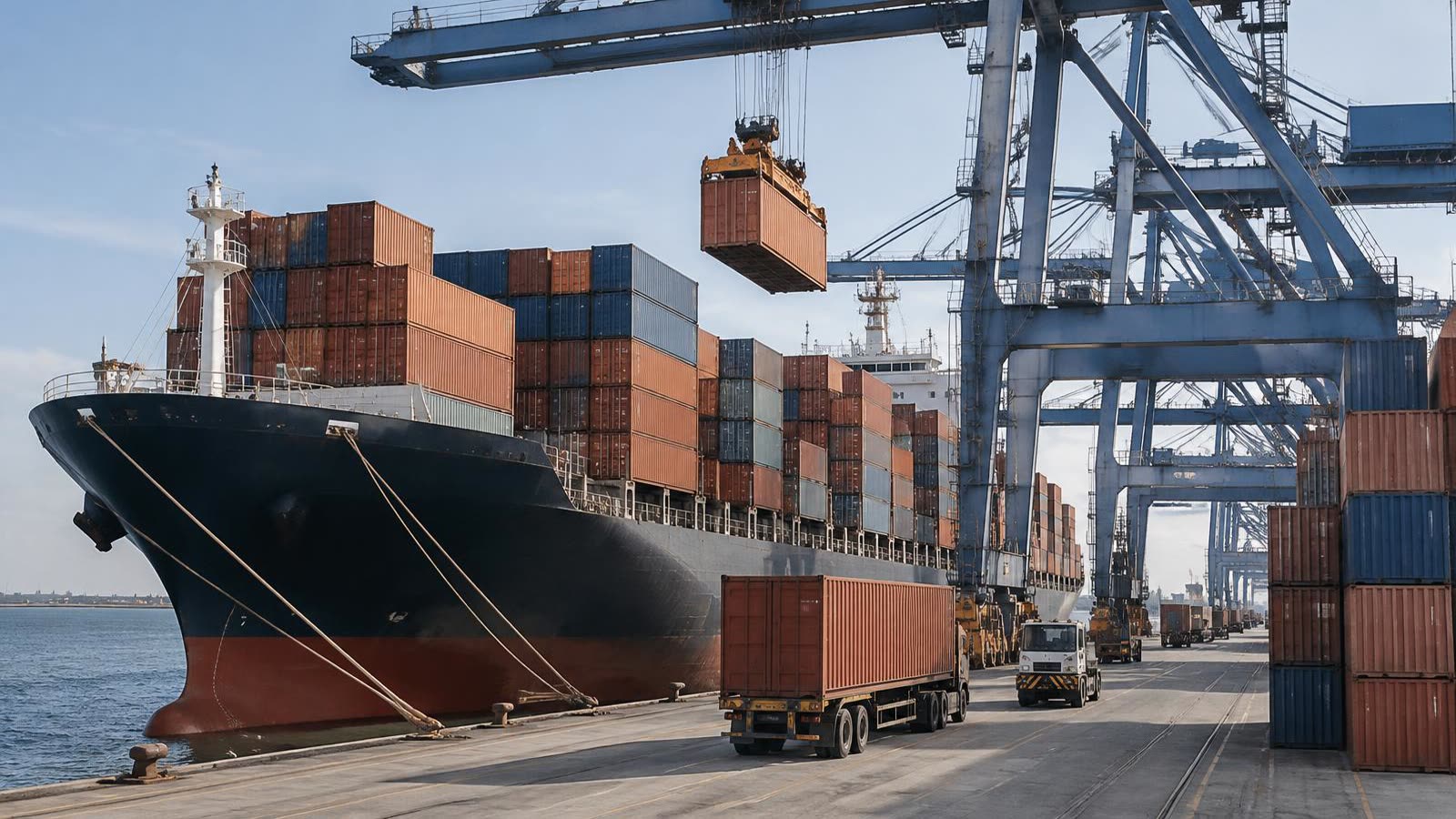
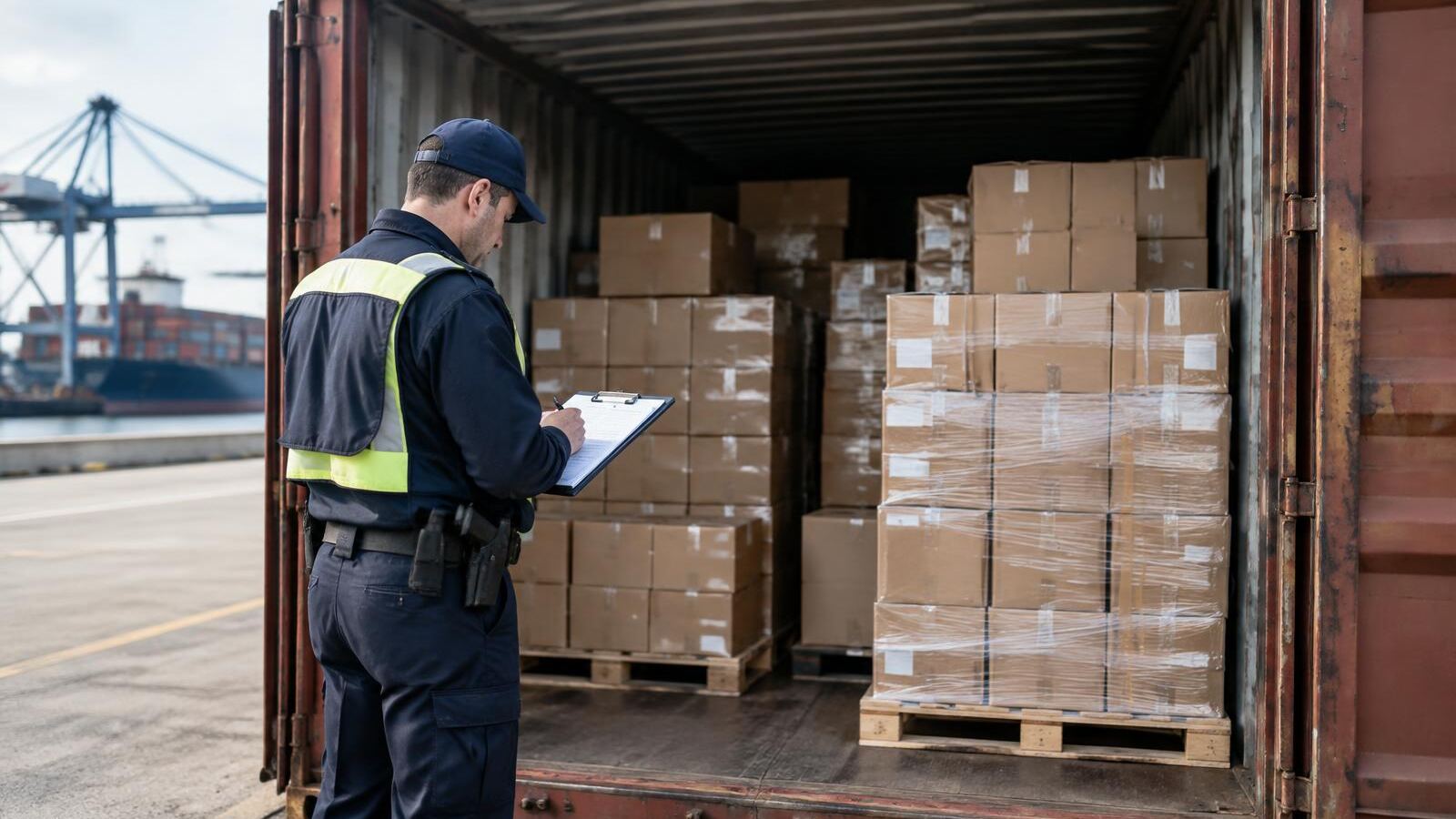
In the United States, the company importing the goods pays the tariff to the government when the goods enter the country. U.S. Customs and Border Protection collects tariffs at ports of entry. The foreign company that made the product doesn’t pay the tariff directly.
Who really bears the cost
Even though importers pay the tariff, the cost often doesn’t stop there. Businesses facing higher import costs generally have a few options. They can pass some or all of the cost on to their customers through higher prices. They can absorb the cost and accept lower profits. Or they can pressure foreign suppliers to lower their prices to offset the tariff.
In practice, the outcome usually involves some combination of these, and it varies by product, industry and how much competition exists. Research by economists on recent U.S. tariffs has found that much of the cost was passed on to U.S. buyers, including businesses and consumers, though the effect differs from product to product.
When businesses pass costs along, they don’t always do it right away or all at once. Some may raise prices gradually, while others adjust as they restock inventory.
Why governments use tariffs
Governments impose tariffs for several reasons. One is to protect domestic industries from foreign competition. By making imported goods more expensive, tariffs can make domestically produced goods more competitive, which may help protect jobs in those industries.
Tariffs may also be used to respond to trade practices seen as unfair, such as subsidies foreign governments give their industries or products sold below fair value, a practice called dumping.
Tariffs raise revenue for the government, though in modern times this has generally been a smaller consideration than other goals. And tariffs can be used as leverage in trade negotiations, encouraging other countries to change their policies.
Ripple effects through the economy
Tariffs can have effects that reach far beyond the imported products themselves. Many U.S. manufacturers rely on imported parts and materials, such as steel, aluminum or electronic components. Tariffs on those inputs raise costs for domestic manufacturers, which can affect their prices, profits and hiring.
Other countries may respond with their own tariffs on U.S. goods, known as retaliatory tariffs. These can hurt U.S. exporters, such as farmers and manufacturers who sell products abroad, by making their goods more expensive in foreign markets.
Tariffs can also shift supply chains, as companies move production or sourcing to countries that face lower tariffs. These shifts can take time and involve costs of their own.
Economists debate the overall effects of tariffs. Supporters argue they can protect strategic industries and jobs and improve negotiating positions. Critics argue they raise costs for consumers and businesses and can reduce overall economic efficiency. The effects depend heavily on the specific tariffs, how long they last and how other countries respond.
How tariffs affect your wallet
Price changes from tariffs can take time to appear. Stores often sell through existing inventory before prices reflect new costs, and companies may adjust prices gradually. Some products may see significant increases, while others see little change.
Products most likely to be affected are those that are heavily imported, such as many electronics, clothing, toys, furniture and certain foods, along with products made from imported materials.
Smart ways to manage
Comparing prices across retailers and brands can help you find better deals, since tariffs may affect some products and suppliers more than others. Considering alternatives, such as domestically made products, store brands or similar items from different countries, can also help.
Avoid panic buying. Rushing to stock up on items in anticipation of tariffs can lead to overspending, especially since tariff policies can change. Instead, plan major purchases around your own needs and budget.
Building some flexibility into your budget for price increases, and maintaining an emergency fund, helps you absorb unexpected cost changes without turning to credit cards.
Following the news
Tariff policies can change quickly, and announcements don’t always take effect immediately. For accurate information, official sources such as the Office of the U.S. Trade Representative and U.S. Customs and Border Protection publish details on tariff actions and affected products.
Content on The Evergreen Edit is for educational and informational purposes only and is not individualized financial, investment, tax or legal advice. Learn more.
This article is for educational purposes only and isn't personalized financial, tax or legal advice. Consider talking with a qualified professional about your situation.

Kiara Miller — Founder & Editor
Kiara Miller is the founder and editor of The Evergreen Edit. He has been doing independent finance research for two decades and reviews every article before it's published.
More about Kiara →Get smarter about your money.
Join readers who get The Sunday Edit every week.