Recession headlines can be frightening, especially when you’re worried about your job, your investments or your ability to pay the bills. But understanding what a recession is, and isn’t, can help you prepare calmly instead of reacting out of fear. Recessions are a normal, if painful, part of the economic cycle, and there are practical steps you can take to protect yourself.
What a recession is
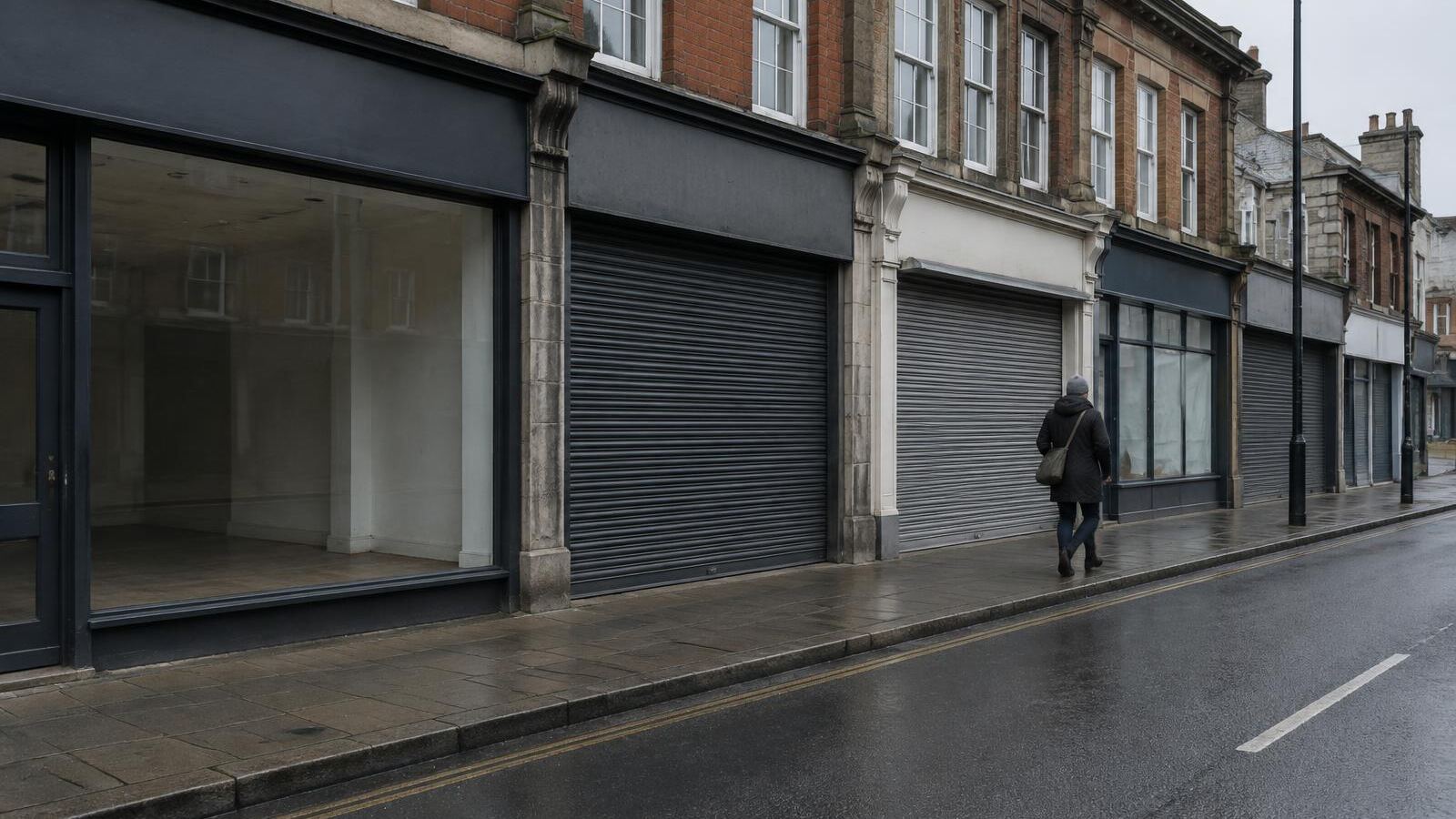
A recession is a significant decline in economic activity that spreads across the economy and lasts more than a few months. During a recession, businesses typically produce and sell less, unemployment rises and household incomes often fall.
You may hear a common shortcut: two consecutive quarters of falling gross domestic product. That rule of thumb is widely used in news coverage, but it isn’t the official definition in the United States.
Instead, U.S. recessions are officially dated by the Business Cycle Dating Committee of the National Bureau of Economic Research, a private, nonpartisan research organization. The committee looks at a broad range of indicators, including employment, personal income, consumer spending, industrial production and sales. It considers how deep the decline is, how widespread it is across the economy and how long it lasts.
The committee often announces the start or end of a recession months after it happens, because it waits for enough data to make a confident judgment.
Common signs of a recession
Several signs tend to appear during recessions. Unemployment rises and layoffs increase as businesses cut costs. Consumer spending falls as households become more cautious. Industrial production and business investment decline. And incomes, after adjusting for inflation, often fall.
Some indicators are watched as possible early warnings, such as falling consumer confidence, declining manufacturing activity and an inverted yield curve, which happens when short-term interest rates rise above long-term rates. None of these signals is perfect, and economists often disagree about whether a recession is coming.
What causes recessions
Recessions can be triggered by many different factors, and each one is different. Financial crises, such as the collapse of major banks or a credit crunch, can choke off lending and spending. Sudden shocks, like a pandemic or a natural disaster, can disrupt economic activity abruptly.
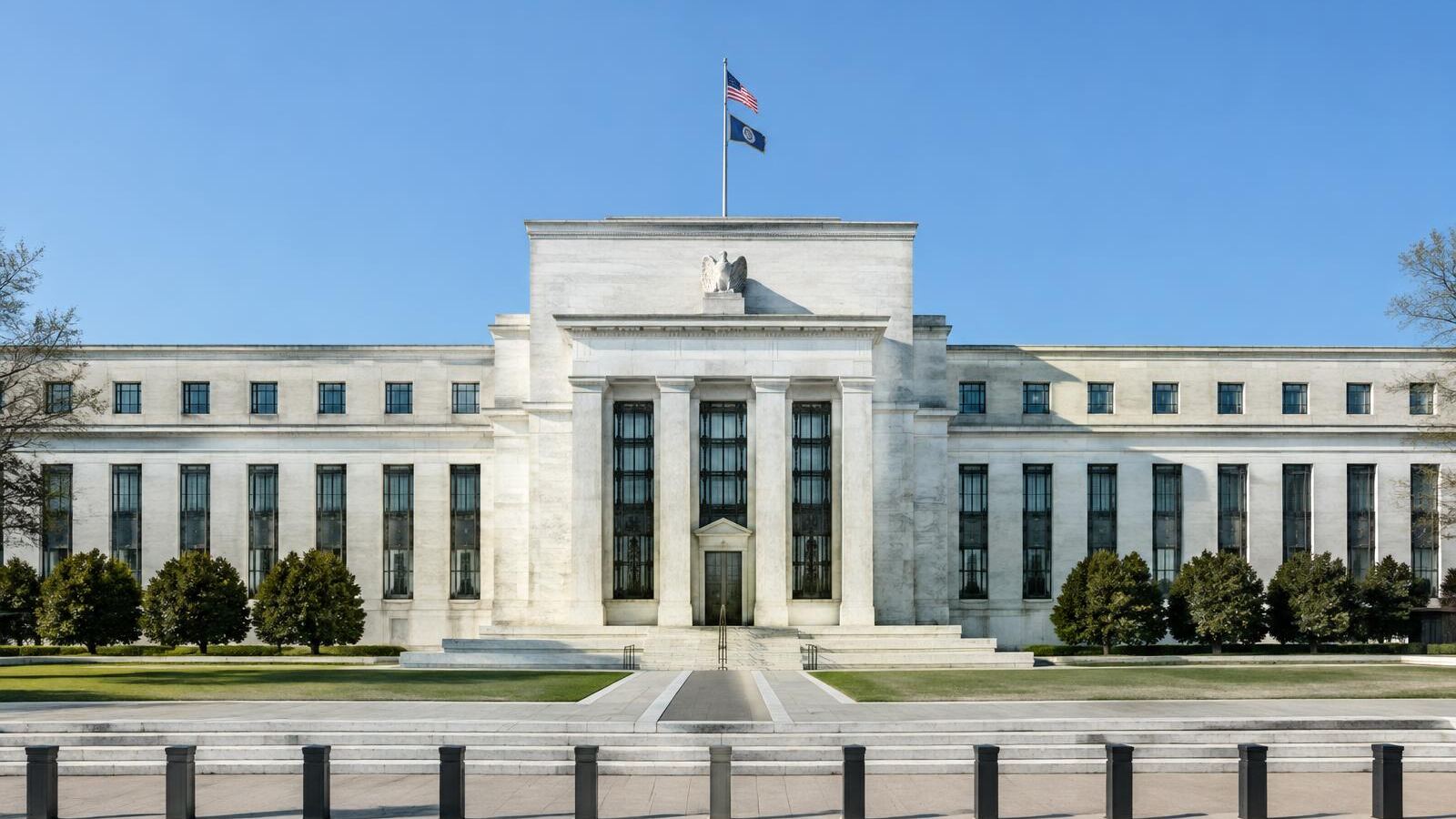
High interest rates are another common cause. When the Federal Reserve raises rates to cool inflation, borrowing becomes more expensive for households and businesses, which can slow the economy. Collapsing asset prices, such as a housing or stock market crash, can reduce wealth and spending.
Because causes differ, recessions also differ in how long they last and how severe they are.
How to prepare for a recession
You can’t control the economy, but you can strengthen your own finances so you’re better prepared for whatever comes.
Build or strengthen your emergency fund. Savings that could cover several months of essential expenses give you a cushion if you lose your job or face reduced hours. Keep this money in an accessible, insured savings account.
Pay down high-interest debt. Credit card balances become harder to manage if your income falls. Reducing them now frees up cash flow and lowers your monthly obligations.
Keep your skills and résumé up to date. Stay connected with your professional network, keep learning and consider skills that are in demand across industries. Being prepared makes it easier to find new work if needed.
Avoid taking on large new debts if your job feels uncertain. A new car loan or a bigger mortgage might be manageable now but could become a burden if your income drops.
Keep investing for the long term if you can. Stock markets often fall during recessions, and it can be tempting to sell. But selling in a panic can lock in losses and cause you to miss the recovery. If your investments are for goals many years away, staying the course and continuing to contribute regularly has historically been a sound approach. Money you may need in the next few years generally shouldn’t be in stocks to begin with.
If a recession affects you directly
If you lose your job, apply for unemployment benefits through your state as soon as possible. Review your budget and cut nonessential spending. Contact lenders early if you’re struggling to make payments, since many offer hardship programs. Check whether you qualify for programs such as health insurance through the Health Insurance Marketplace or Medicaid if you lose employer coverage.
Keep perspective
Recessions are a normal part of the economic cycle. The U.S. economy has historically recovered from every past recession, although the timing and path have varied. Periods of growth have generally lasted much longer than recessions. By preparing thoughtfully, you can weather a downturn with less stress and be positioned to recover when the economy improves.
Content on The Evergreen Edit is for educational and informational purposes only and is not individualized financial, investment, tax or legal advice. Learn more.
This article is for educational purposes only and isn't personalized financial, tax or legal advice. Consider talking with a qualified professional about your situation.

Kiara Miller — Founder & Editor
Kiara Miller is the founder and editor of The Evergreen Edit. He has been doing independent finance research for two decades and reviews every article before it's published.
More about Kiara →Get smarter about your money.
Join readers who get The Sunday Edit every week.