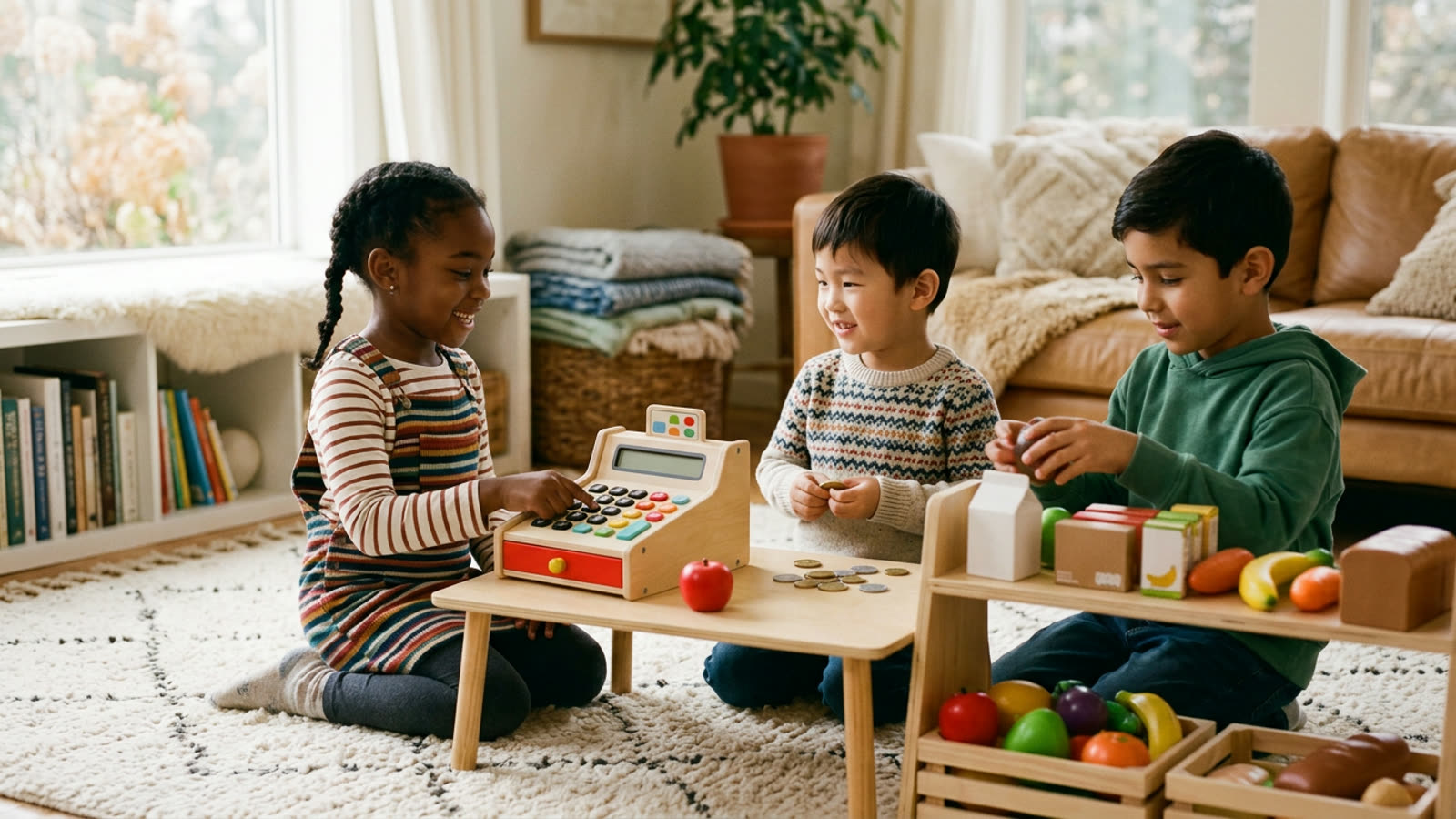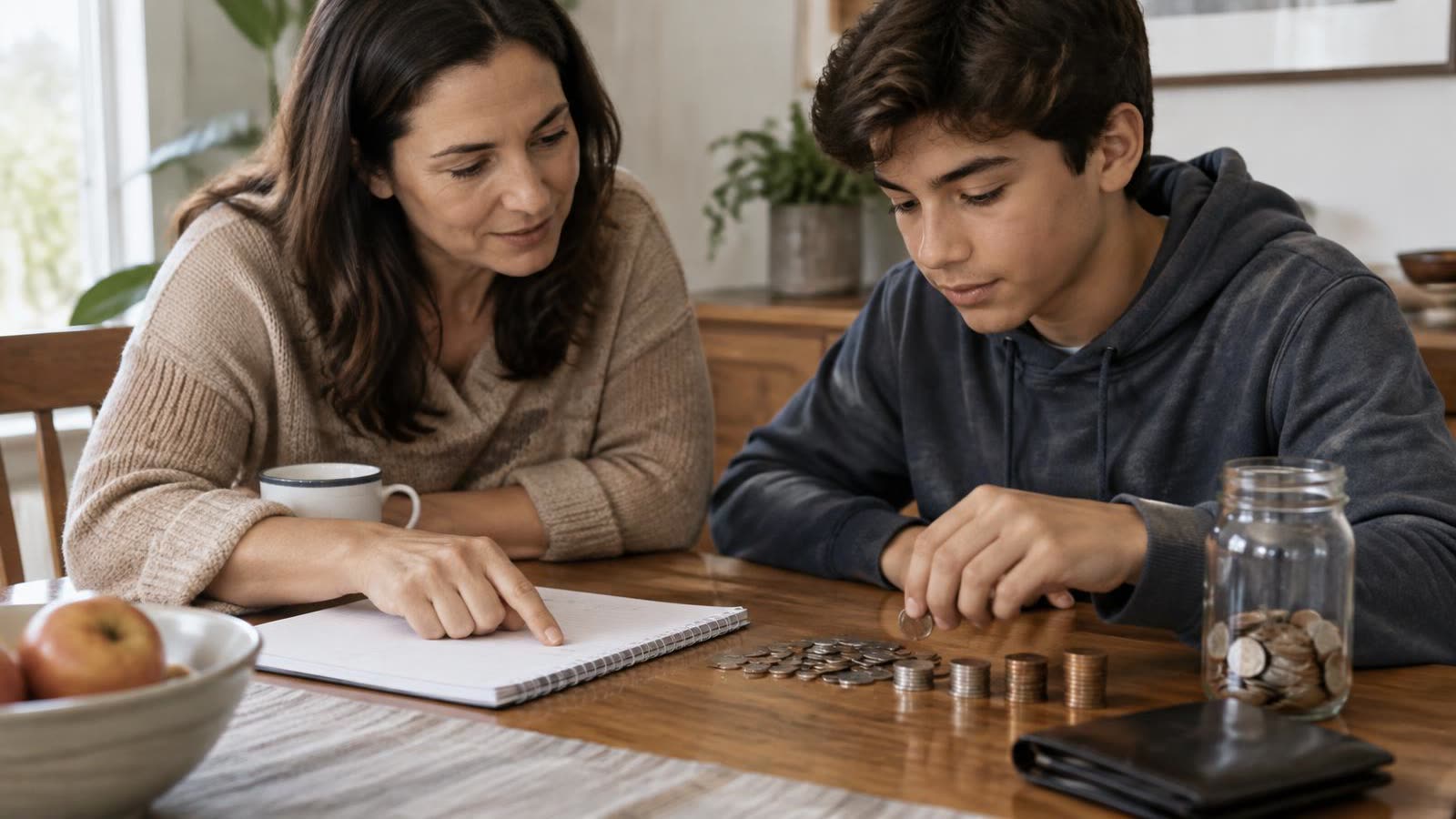
A new federal plan makes teaching money skills early a bigger priority, and parents can help at home.
On Friday, Oct. 2, 2026, the federal Financial Literacy and Education Commission released the 2026 update to the U.S. National Strategy for Financial Literacy, according to the U.S. Treasury Department. Financial literacy means having the knowledge and skills to make good decisions about money, like budgeting, saving, borrowing and avoiding scams.
The release came one day after the National Endowment for Financial Education (NEFE), a nonprofit, published its 2026 National Report Card on personal finance education in high schools.
What's in the new national strategy
The commission is chaired by the Treasury Secretary and includes the heads of 23 federal agencies plus the White House Domestic Policy Council, according to Treasury. Its updated strategy sets four priority areas:
- Youth financial capability: building basic money skills in childhood.
- Saving and investing: helping people understand ways to save and invest, including the new Trump Accounts for children.
- Digital financial literacy: helping people use apps, online banking and other digital money tools safely.
- Scams and fraud education: teaching people how to spot and avoid scams.
Treasury Secretary Scott Bessent called the strategy "a roadmap to help every American build the knowledge and skills needed to achieve financial security." Treasury said the plan focuses on education at key decision points in life and on approaches tailored to different life stages.
The Consumer Financial Protection Bureau (CFPB), a federal agency that oversees consumer finance, said it supports the strategy and highlighted youth money skills, saving and investing habits, and fraud prevention. The full strategy is posted on MyMoney.gov, the government's financial education website.
More states are adding money classes
NEFE's report card, released Oct. 1, projects that 29 states will guarantee personal finance education for all graduating public high school students by 2031. When the first report card came out in 2013, only three states earned an "A" grade, according to NEFE and the ABA Banking Journal, a publication of the American Bankers Association. Ten states earned an "A" this year, the ABA Banking Journal reported.
"The progress across our field is encouraging, but the work ahead requires continued collaboration, evidence building and investment in the systems that support learners and educators," said NEFE President Billy Hensley, according to the ABA Banking Journal.
What this means for your wallet
National plans and school classes help, but a lot of money learning happens at home. If you are a parent, here are a few ways to build on this:
- Check what your child's school offers. Ask whether a personal finance class is required and when students take it.
- Talk about money out loud. Let kids see how you compare prices, plan for bills or decide to wait before buying something.
- Start with a simple savings goal. A clear jar or a kid-friendly savings account can make saving visible.
- Make scams part of the conversation. Teens are online a lot. Teach them never to share passwords or codes and to be wary of anyone who rushes them to pay.
- Use free resources. MyMoney.gov collects free government lessons and tools for families.
This article is for education only and is not financial advice. Everyone's situation is different.
Content on The Evergreen Edit is for educational and informational purposes only and is not individualized financial, investment, tax or legal advice. Learn more.
This article is for educational purposes only and isn't personalized financial, tax or legal advice. Consider talking with a qualified professional about your situation.

Kiara Miller — Founder & Editor
Kiara Miller is the founder and editor of The Evergreen Edit. He has been doing independent finance research for two decades and reviews every article before it's published.
More about Kiara →Get smarter about your money.
Join readers who get The Sunday Edit every week.