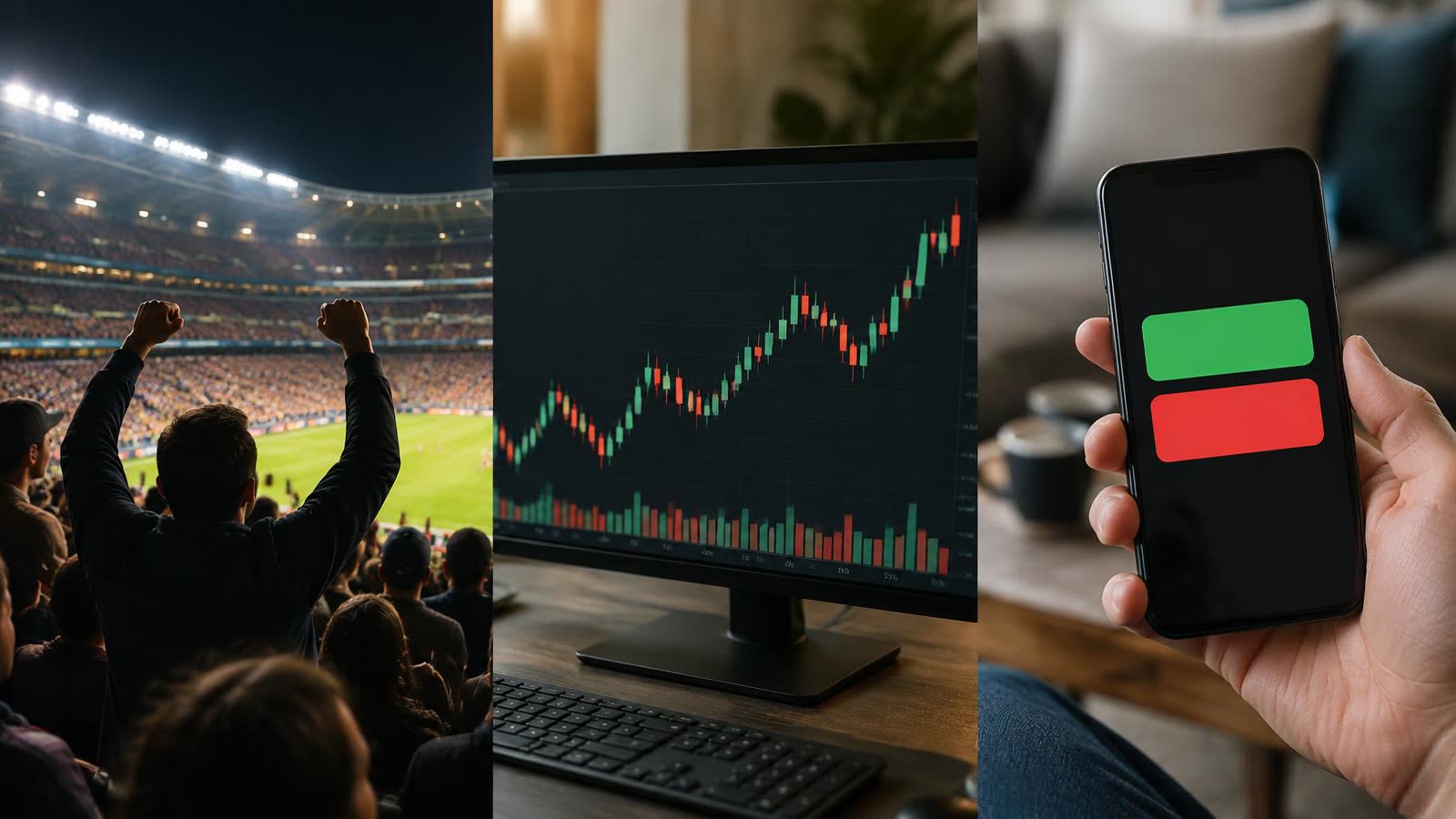
Football season pushed trading on event contracts to new highs, even as a court fight over sports contracts continues in some states.
Prediction markets, where people trade contracts on whether something will happen, just had their busiest stretch yet. Kalshi, one of the largest U.S. exchanges for these contracts, recorded about $19.03 billion in weekly contract volume for Oct. 5 through Oct. 11, according to data compiled by DeFi Rate and published on Oct. 12. That was up about 3.6% from the week before and about 60% higher than the week ending Sept. 6.
What's driving the surge
The start of football season appears to be a big factor, along with growing interest in contracts with multiple possible outcomes, DeFi Rate said, though weekly totals can't show exactly how much each factor contributed. Weekend trading was especially heavy. Sunday, Oct. 11, was Kalshi's busiest day of the week at about $4.2 billion, and Saturday and Sunday together made up about 41% of the week's volume.
Kalshi isn't alone. Polymarket's U.S. platform reported about 2.82 billion in trade volume for the same week, nearly triple its level in early September, though the platforms measure volume differently, so their numbers shouldn't be directly compared or added together.
How prediction markets work
On an exchange like Kalshi, you buy "yes" or "no" contracts on a specific outcome, such as whether the Fed will raise rates at its next meeting, whether inflation will top a certain level or who will win a game. Contracts are priced between $0 and $1. If you're right, each contract pays $1; if you're wrong, it pays nothing. The price at any moment roughly reflects the market's view of the probability. A contract trading at 40 cents implies about a 40% chance.
Kalshi is regulated by the Commodity Futures Trading Commission (CFTC), the federal agency that oversees futures and similar markets.
The legal fight over sports contracts
Sports contracts have drawn pushback from some states that see them as unlicensed sports betting. In late September, a federal appeals court panel for the Sixth Circuit ruled against Kalshi in cases involving Ohio and Tennessee, allowing those states' gambling regulators to act against its sports contracts while the cases continue. Other appeals courts have ruled differently, creating a split that could eventually reach the U.S. Supreme Court. Kalshi has since asked the full Sixth Circuit to review the panel's decision. Availability of some contracts may vary by state as these cases play out.
What this means for your wallet
Prediction markets can be a useful way to see what traders expect, and some people find them more transparent than traditional betting. But they carry real risk. You can lose your entire stake on any contract, and it's easy to trade more often than you planned, especially around sports.
If you decide to try them, set a firm budget you can afford to lose, treat it like entertainment money and keep it separate from savings, retirement accounts and bill money. Learn how contracts settle before you trade, and avoid chasing losses. If trading ever stops feeling fun, step away and seek help.
This article is for education only and is not financial advice. Everyone's situation is different.
Content on The Evergreen Edit is for educational and informational purposes only and is not individualized financial, investment, tax or legal advice. Learn more.
This article is for educational purposes only and isn't personalized financial, tax or legal advice. Consider talking with a qualified professional about your situation.

Kiara Miller — Founder & Editor
Kiara Miller is the founder and editor of The Evergreen Edit. He has been doing independent finance research for two decades and reviews every article before it's published.
More about Kiara →Get smarter about your money.
Join readers who get The Sunday Edit every week.