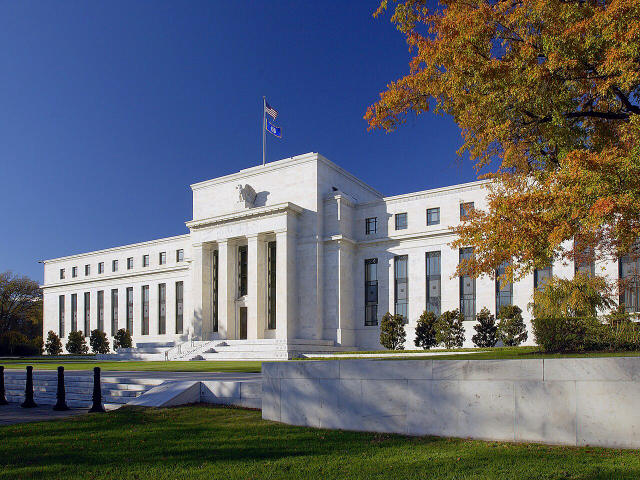

For more than a century, the U.S. stock market has mostly gone to sleep at night. That is about to change. Nasdaq and NYSE Arca, the electronic exchange owned by the New York Stock Exchange's parent, plan to start trading stocks nearly around the clock in early December. If you buy and sell stocks through a brokerage app, here is what the new overnight market means for you.
What is changing, and when?
Beginning Dec. 6, 2026, Nasdaq and NYSE Arca expect to offer stock trading 23 hours a day, five days a week. A new overnight session will run from 9 p.m. to 4 a.m. Eastern time, Sunday night through Thursday night, with a one-hour pause from 8 p.m. to 9 p.m. The launch still depends on final regulatory approvals and on the systems that report prices and settle trades being ready, so the date could move.
The Securities and Exchange Commission approved Nasdaq's plan on April 10, 2026, according to the SEC's order. NYSE filed an amended proposal for NYSE Arca on May 12, 2026, and law firm Jones Day notes that several pieces of both plans still need SEC sign-off. The regular trading day, 9:30 a.m. to 4 p.m. Eastern, does not change.
What the new trading day will look like
Here is the full schedule on the two exchanges once the overnight session starts, all in Eastern time. Pacific time is three hours earlier, so the overnight session would run from 6 p.m. to 1 a.m. for West Coast investors.
- Overnight session: 9 p.m. to 4 a.m. (new), Sunday through Thursday nights
- Premarket: 4 a.m. to 9:30 a.m. (unchanged)
- Regular session: 9:30 a.m. to 4 p.m. (unchanged)
- After-hours: 4 p.m. to 8 p.m. (unchanged)
- Daily pause: 8 p.m. to 9 p.m.
- Weekends: closed from Friday 8 p.m. until Sunday 9 p.m.
If premarket and after-hours trading are new to you, our guide to after-hours and premarket trading covers how those sessions already work.
How overnight trades will work
The overnight session comes with stricter rules than the regular day. On Nasdaq, only limit orders will be allowed overnight, according to the SEC's approval order. A limit order is an order to buy or sell at a specific price or better, so you never pay more, or sell for less, than the number you set. Market orders, which fill at whatever price is available, are not allowed. Nasdaq says orders still open at 4 a.m. are canceled, so you may need to re-enter them for the morning.
Both exchanges also plan temporary safety limits called overnight price bands, which reject orders priced more than 20% away from a reference price. For example, if the reference price for a stock were $100, an order to buy at $125 or sell at $75 would be rejected. Trades made between 9 p.m. and midnight will count as the next day's trades for settlement, according to the NYSE's extended-hours FAQ. And when a company has a major corporate action that day, such as a stock split or a merger, its shares will be halted overnight until 8 a.m. Eastern.
You won't trade on the exchange directly. Only broker-dealers that are members of the exchange can send orders, so your access depends on whether your brokerage chooses to offer the overnight session and which stocks it includes.
Why the exchanges are doing this
Some trading already happens overnight. The SEC's order notes that alternative trading systems, which are private electronic markets, such as Blue Ocean and Interactive Brokers' system, already match stock trades at night. Investors in Asia, for example, are awake and trading during what is the middle of the night in New York. Moving overnight trading onto the major exchanges brings it under exchange rules and public price reporting.
It also lets investors react sooner to news. Today, if a big story breaks at 11 p.m. Eastern, most investors must wait until premarket trading at 4 a.m. or later. With a 23-hour market, they could place a limit order within minutes, if their broker offers the session.
The risks of trading overnight
Being able to trade at 2 a.m. doesn't mean it is a good idea for most people. The SEC's approval order repeats the standard brokerage warning that extended-hours trading carries "material trading risks," including lower liquidity, high volatility, changing prices, unlinked markets and wider spreads.
The spread is the gap between the highest price buyers are offering and the lowest price sellers will accept, and it is a hidden cost of every trade. Here is a simple example. During the day, a busy stock might show buyers at $50.00 and sellers at $50.05, so buying 100 shares at the asking price costs about $5,005. Overnight, with fewer traders, the same stock might show $49.80 and $50.20. Buying 100 shares at the asking price would then cost about $5,020, about $15 more for the same shares, and if you sold right away at the bid you would get only $4,980. Those numbers are made up to show the math, but thin overnight trading often looks like this.
- Fewer buyers and sellers, so orders may not fill or may fill at worse prices
- Bigger price swings on news, since a few trades can move the price
- Prices that may not match what happens when the full market opens
- Late-night decisions made on headlines, which can lead to emotional trades
There are also open questions. Companies cannot opt out of overnight trading, and the Harvard Law School Forum on Corporate Governance notes that the SEC's chair and a commissioner have asked whether rules on when companies release major news should change. Until those questions are settled, big announcements could hit while overnight trading is thin.
What this means for your wallet
For most long-term investors, including anyone saving in a 401(k) or IRA, the overnight market changes very little. Retirement plans and most mutual funds trade once a day, and long-term results depend far more on how much you save, what you own and how long you stay invested than on what happens at midnight.
If you trade individual stocks, the new session gives you more flexibility, especially after evening earnings reports. If you use it, many investors stick to a few habits: use limit orders, check the spread before you trade, keep trades small, and remember that a stock's overnight price may look very different by the time the regular session opens. Market drops can also hit at any hour; our guide to stock market corrections explains how often they happen and how long they tend to last.
Frequently asked questions
When does 23-hour stock trading start?
Nasdaq and NYSE Arca plan to launch it on Dec. 6, 2026, at 9 p.m. Eastern, subject to final regulatory approvals and system readiness.
What are the overnight stock market hours?
The new overnight session runs from 9 p.m. to 4 a.m. Eastern, Sunday night through Thursday night, with a one-hour pause from 8 p.m. to 9 p.m. each evening.
Can I use a market order overnight?
Not on Nasdaq. Its SEC-approved rules allow only limit orders during the overnight session, so you must set the highest price you will pay or the lowest price you will accept.
Will my broker offer overnight trading?
It depends on your broker. Only exchange member firms can trade directly, so each brokerage decides whether to offer the overnight session and which stocks to include.
Sources
- U.S. Securities and Exchange Commission, Release No. 34-105199 (Nasdaq 23-hour trading order), April 10, 2026
- NYSE, Extended Hours Trading FAQ (NYSE Arca), August 2026
- Yahoo Finance (Investing.com), Nasdaq plans nearly 23-hour trading day from December, Aug. 17, 2026
- Jones Day, NYSE and Nasdaq Move to 23-Hour Trading Day, September 2026
- Harvard Law School Forum on Corporate Governance, NYSE Arca and Nasdaq to Launch Extended Trading, Oct. 21, 2026
Content on The Evergreen Edit is for educational and informational purposes only and is not individualized financial, investment, tax or legal advice. Learn more.
Compound growth estimate
Estimated total
$17,175
Your contributions
$13,000
This is an estimate, not a prediction. Monthly compounding; taxes, fees and inflation are excluded.
This article is for educational purposes only and isn't personalized financial, tax or legal advice. Consider talking with a qualified professional about your situation.

Kiara Miller — Founder & Editor
Kiara Miller is the founder and editor of The Evergreen Edit. He has been doing independent finance research for two decades, is a tax preparer, and reviews every article before it's published.
More about Kiara →Get smarter about your money.
Join readers who get money stories on their chosen topics, daily or as new articles post.