Gas got a little cheaper this week, but it is still much pricier than a year ago, so your commute and travel plans may need a closer look.
What AAA reported
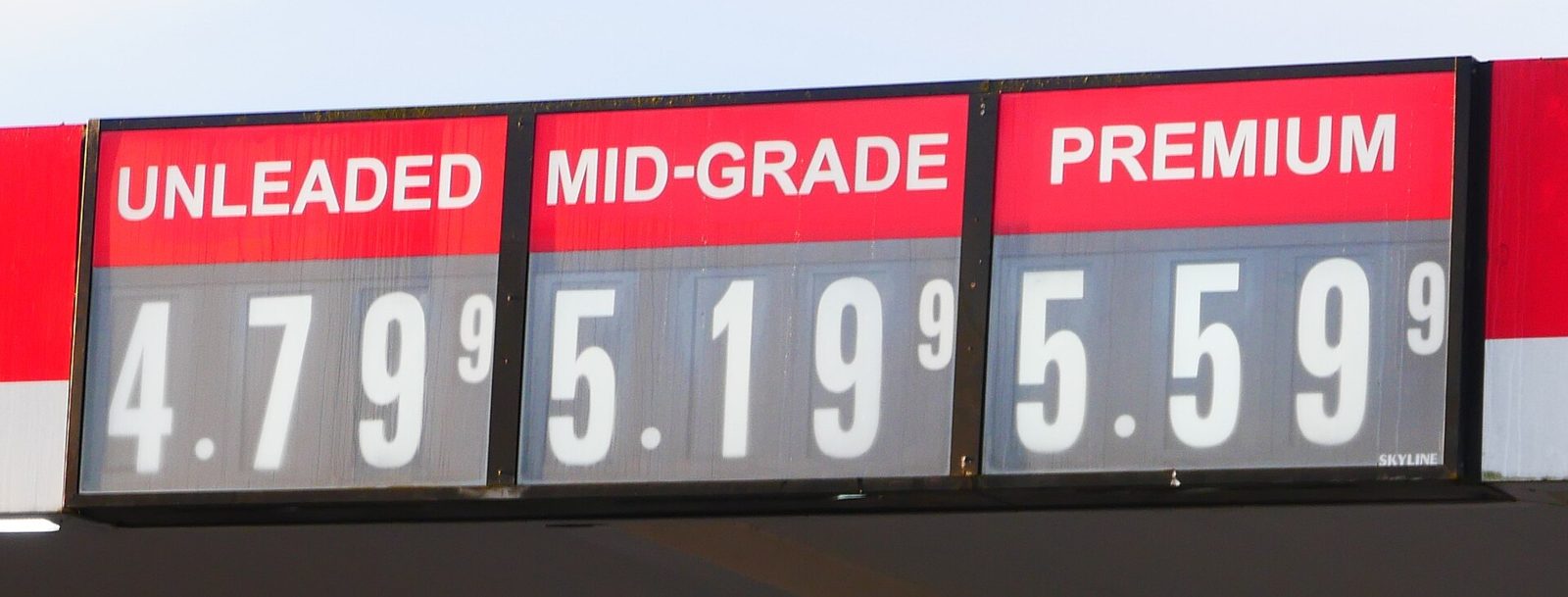
On October 1, 2026, AAA said the national average price for a gallon of regular gas fell to about $4.41. That was down about 7 cents from a week earlier, when it was about $4.48.
The small drop came right after a record month. AAA said September's average price was $4.33 a gallon. That is 50 cents higher than the old September record of $3.83, set in 2023.
So "record" here means the highest average price ever for the month of September. AAA noted that gas prices are still at their highest level on record for this time of year, even after the dip.
To put that in perspective, here is how the national average compared, according to AAA:
- October 1, 2026: about $4.41
- One week earlier: about $4.48
- One month earlier: about $4.10
- One year earlier: about $3.16
That means a gallon costs roughly $1.25 more than it did a year ago.
Why prices eased (and why they are still high)
AAA tied the dip to crude oil. Crude is the raw oil that refiners turn into gasoline, and its price is a big driver of what you pay at the pump. AAA said crude slid back into the $90-per-barrel range.
Demand also cooled a bit. Using federal Energy Information Administration data, AAA said U.S. gasoline demand fell from 8.84 million to 8.68 million barrels a day. Gas use often slows after the summer driving season ends.
Prices are still high for a reason, though. In late September, AAA pointed to ongoing trouble around the Strait of Hormuz, a key shipping route for oil, plus costly crude as the forces pushing pump prices up. Those pressures have not gone away.
Where you live matters a lot, too. AAA listed California as the most expensive state at about $6.40 a gallon and Indiana as the cheapest at about $3.81.
What this means for your wallet
A few cents off per gallon is nice, but the bigger story is the gap from last year. If you fill a 15-gallon tank once a week, a $1.25-per-gallon increase works out to nearly $19 more per week, or about $80 a month.
That extra cost can sneak up on you because it shows up in small amounts. Here is how it could touch your budget:
- Commuting: Daily drivers feel it most, since the cost repeats every week.
- Road trips: Fall and holiday travel could cost more than you planned. A long drive may now be closer in price to a train or bus ticket.
- Everyday prices: Higher fuel costs can raise shipping costs, which may show up in what you pay for goods.
If you drive an electric vehicle, AAA said the national average for public charging held steady at 42 cents per kilowatt hour. A kilowatt hour is the unit used to measure electricity, much like a gallon measures gas.
Practical ways to spend less on gas
You cannot control oil prices, but you can control some of how much fuel you buy. Consider these ideas:
- Track what you actually spend. Look at the last two months of gas purchases. Knowing your real number makes it easier to plan.
- Compare prices before you fill up. Prices can vary by several cents a gallon between stations on the same street. Gas price apps and store loyalty programs may help.
- Combine errands. One loop that hits the grocery store, pharmacy and bank uses less fuel than three separate trips.
- Drive smoothly. Fast starts and hard braking burn more gas. Easing off the pedal and keeping a steady speed on the highway may stretch each tank.
- Check your tire pressure. Underinflated tires can lower your gas mileage. The right pressure is usually listed inside the driver's door.
- Lighten the load. Extra weight in the trunk or a roof rack you are not using adds drag and can cost fuel.
- Look at shared or remote options. Carpooling, transit or even one work-from-home day a week, if your job allows it, could cut your driving costs.
- Budget for road trips up front. Before a trip, estimate the miles, divide by your car's miles per gallon and multiply by current prices. Add a cushion in case prices rise.
Make gas a planned line in your budget
When prices swing, gas is easy to treat as an afterthought. A better approach may be to give it its own line in your monthly budget and update it when prices change. That way a price jump trims your plan on purpose instead of surprising you at the end of the month.
If gas prices fall further this fall, consider moving the savings to something that matters to you, like an emergency cushion or a holiday fund.
This article is for education only and is not financial advice. Everyone's situation is different.
Content on The Evergreen Edit is for educational and informational purposes only and is not individualized financial, investment, tax or legal advice. Learn more.
This article is for educational purposes only and isn't personalized financial, tax or legal advice. Consider talking with a qualified professional about your situation.

Kiara Miller — Founder & Editor
Kiara Miller is the founder and editor of The Evergreen Edit. He has been doing independent finance research for two decades and reviews every article before it's published.
More about Kiara →Get smarter about your money.
Join readers who get The Sunday Edit every week.